

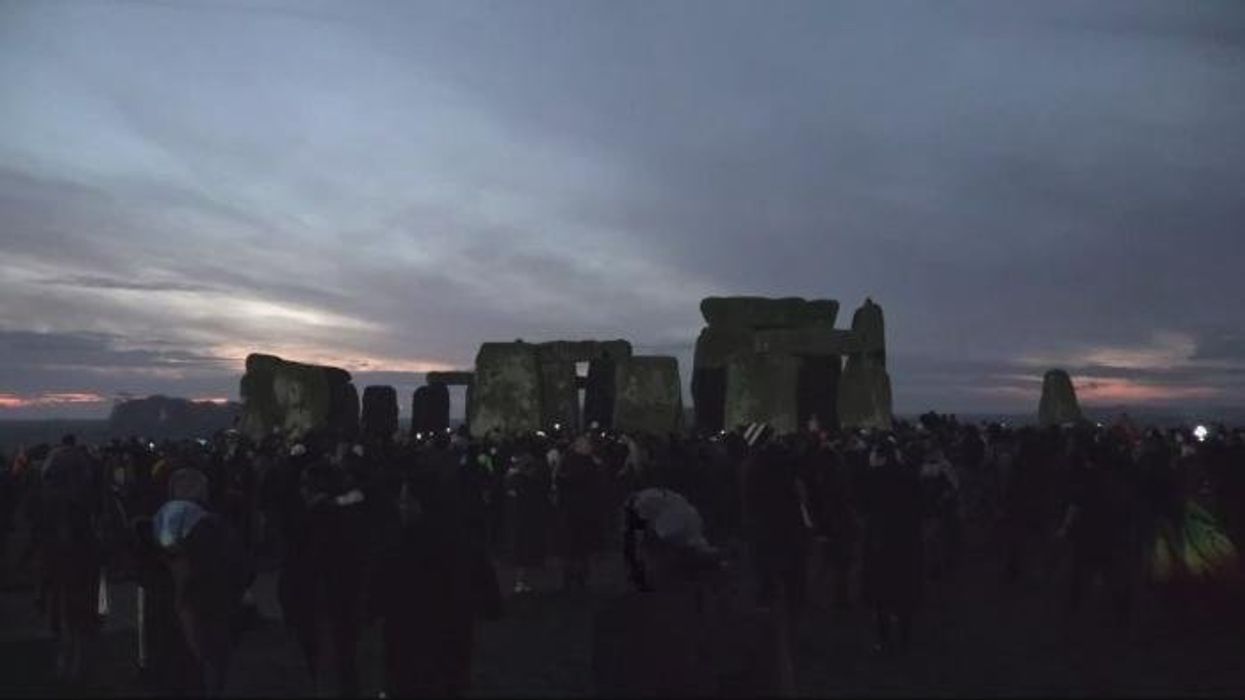







The winter solstice, marking the official start of the astronomical winter, has arrived today.
Britain experiences its shortest day of 2025 today as the Winter Solstice arrives, with the precise astronomical moment occurring at 15:03 GMT this afternoon.
At that instant, the sun will position itself directly above the Tropic of Capricorn, creating the appearance of standing still in the sky.
This celestial event represents a crucial moment in Earth's annual journey through the solar system.
TRENDING
Stories
Videos
Your Say
It will see the Northern Hemisphere reach its point of maximum tilt away from the sun, resulting in minimal daylight and the year's longest night.
The amount of daylight Britons receive today depends heavily on their location, with northern areas experiencing considerably less sunshine than those in the south.
Residents of John O'Groats on Scotland's north-eastern tip will see just six hours, 16 minutes and 54 seconds of daylight, whilst those in Truro, Cornwall, can expect approximately eight hours and two minutes.
Londoners fall somewhere between, with roughly seven hours and 50 minutes of sunshine available.
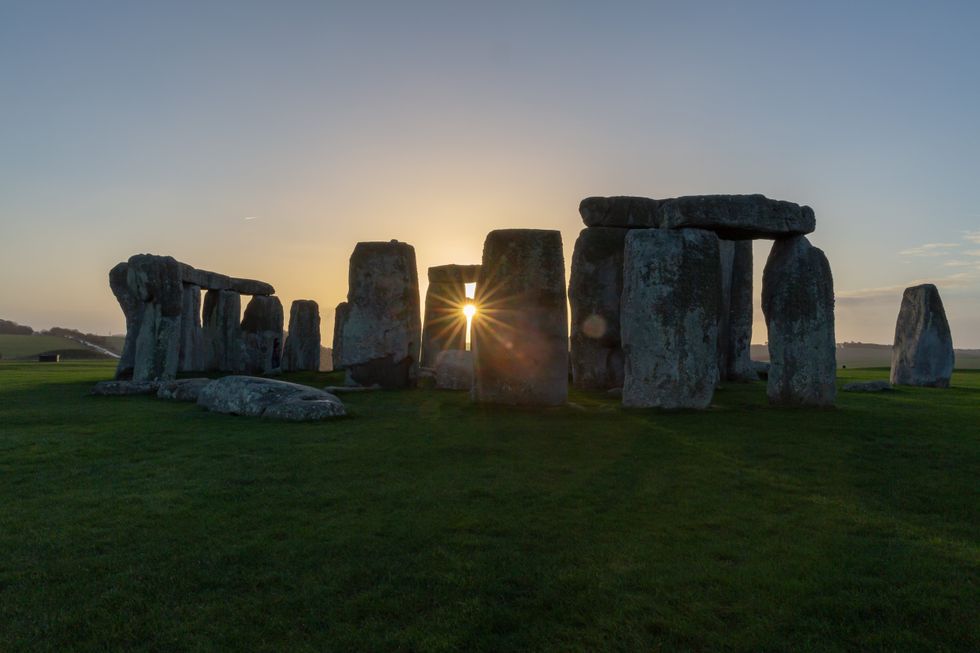
Britons will experience the shortest day of the year today
|GETTY
On average across the country, people will receive around 7.5 hours of light.
This will be in stark contrast to the summer solstice, when Britain enjoys more than 16 hours of daylight.
For those weary of dark evenings, there is welcome news: from today onwards, daylight hours will steadily increase as Britain moves towards spring.
The next longest day in the UK will fall on Sunday, June 21, 2026.
LATEST DEVELOPMENTS
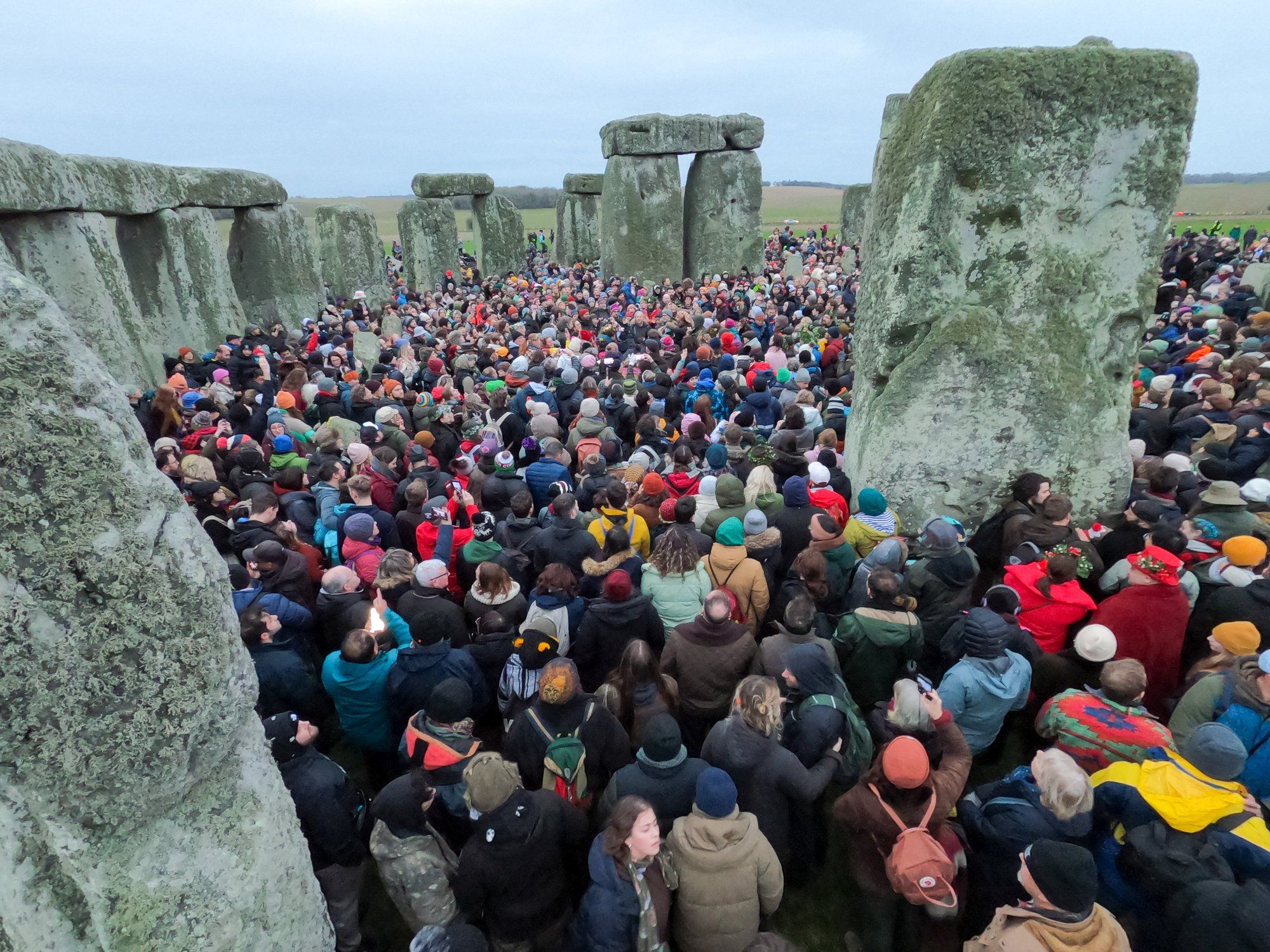
Many gathered at Stonehenge in Wiltshire this morning to witness the sunrise at the ancient monument
|GETTY
For aeons, the winter solstice has held significance for ancient cultures across the British Isles, with many viewing it as the symbolic death and rebirth of the sun.
Thousands still honour this millennia-old tradition, gathering at Stonehenge in Wiltshire this morning to witness the sunrise at the ancient monument.
In Scotland, the Maeshowe tomb in Orkney offers its own spectacular display.
The setting sun's rays travel through a narrow passageway to illuminate the inner chamber's back wall.
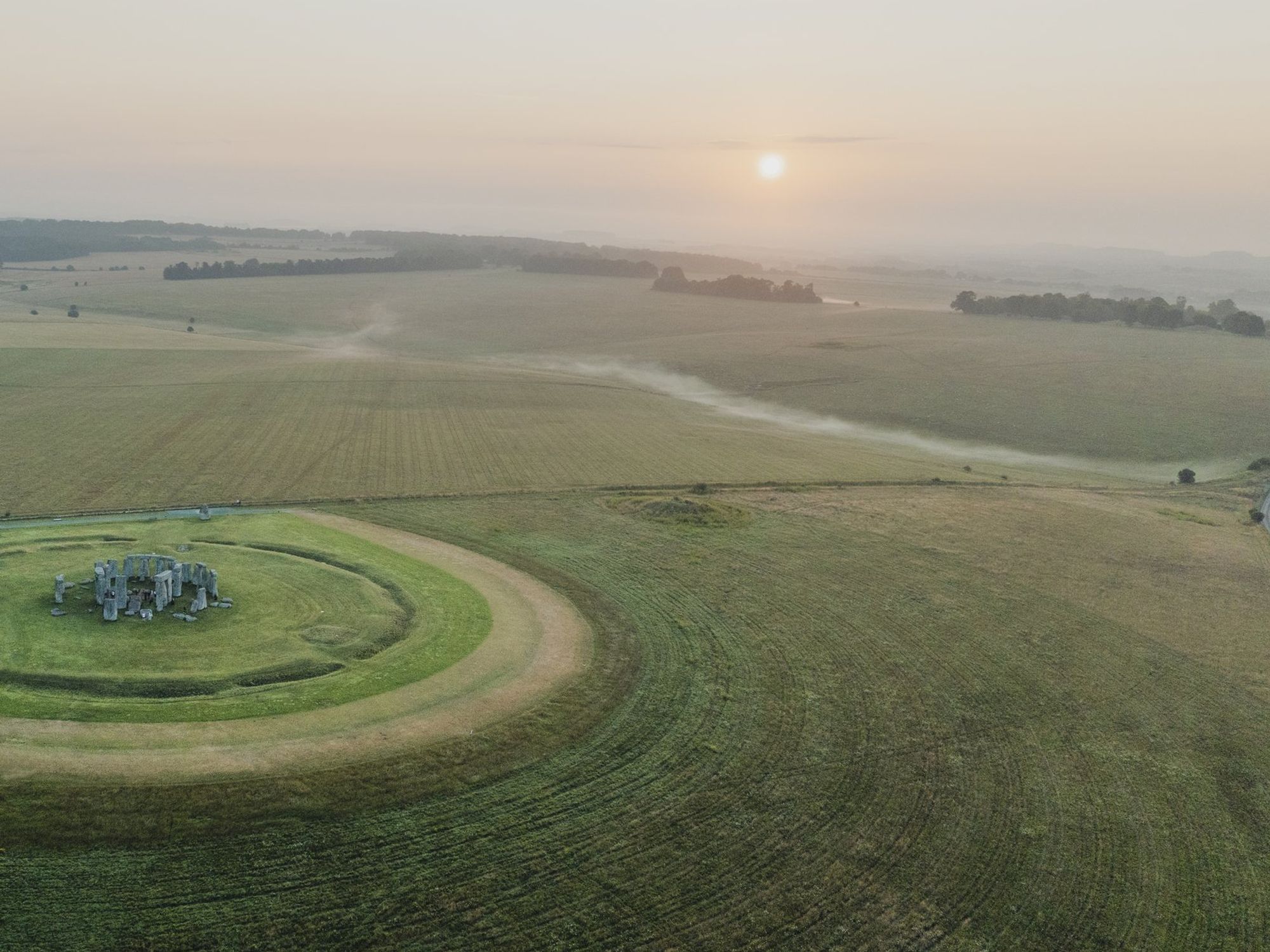
The solstice has long been revered by ancient Britons and by a myriad of cultures around the globe
|GETTY
The term “solstice” itself reveals the ancient understanding of this celestial event, deriving from two Latin words: “sol”, meaning sun, and “sistere”, meaning to stand still.
Globally, the solstice was similarly revered by a myriad of cultures. In Viking mythology, the sun goddess was called Sol, while Inuit traditions spoke of the Sun Sister.
Pre-Islamic southern Arabians worshipped the sun goddess Atthar, whilst Mesopotamian cultures revered Arunna, known as the Queen of Heaven.
Such feminine solar deities played central roles in explaining the changing seasons, which were not understood at the time.
Our Standards: The GB News Editorial Charter
More From GB News