

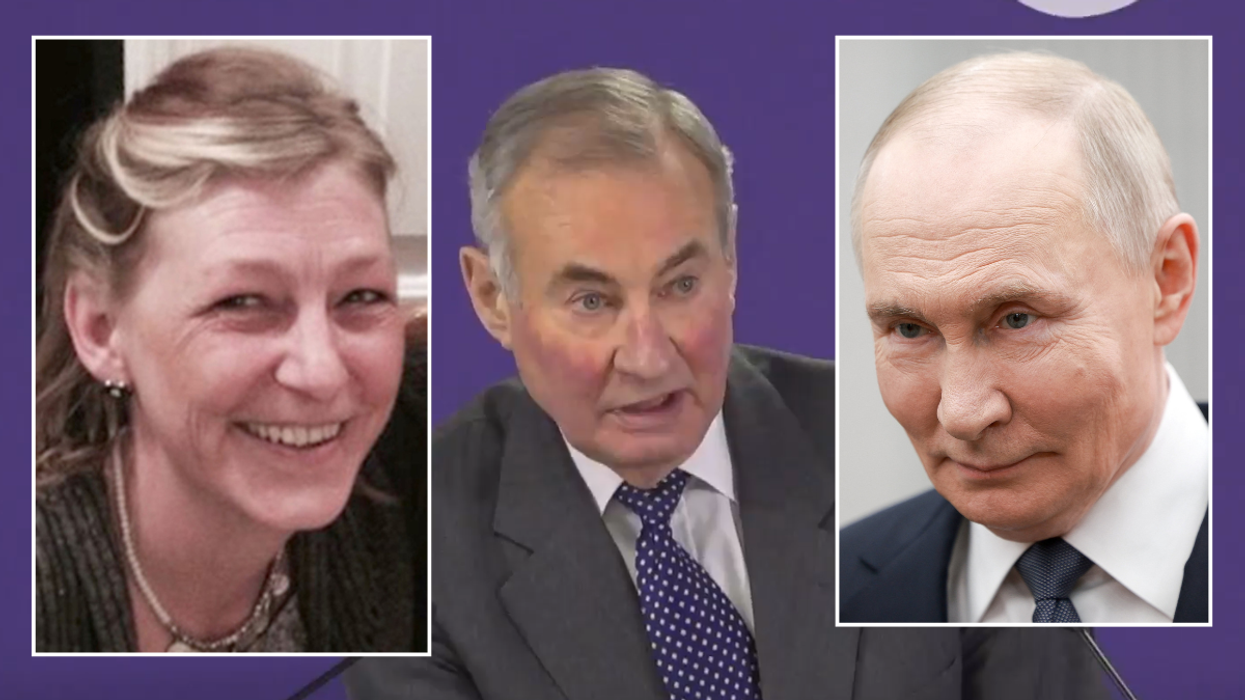



Vladimir Putin bears a "moral responsibility" for the death of Dawn Sturgess in Salisbury following the Novichock poisoning in 2018, an inquiry has found.
Dawn Sturgess, 44, died after being exposed to the chemical weapon which was left in a discarded perfume bottle in Amesbury, Wiltshire, in July.
It followed the attempted murder of former spy Sergei Skripal, his daughter Yulia and then police officer Nick Bailey, who were poisoned in Salisbury in March that year.
Inquiry chair Lord Anthony Hughes said that he was sure the assassins left the fake perfume bottle in Salisbury after the attempted hit, which he described as an "astonishingly reckless act".
The assassination plot "amounted to a public statement, both for international and domestic consumption, that Russia will act decisively in what it regards are its own interests," he added.
Therefore, Lord Hughes of Ombersley said, everyone involved in the attempt, was "morally responsible" for Ms Sturgess' death - including the Russian President.
First emergency responders were not warned about the difference between opiate overdose symptoms and nerve agent poisoning - though this "did not make any difference".
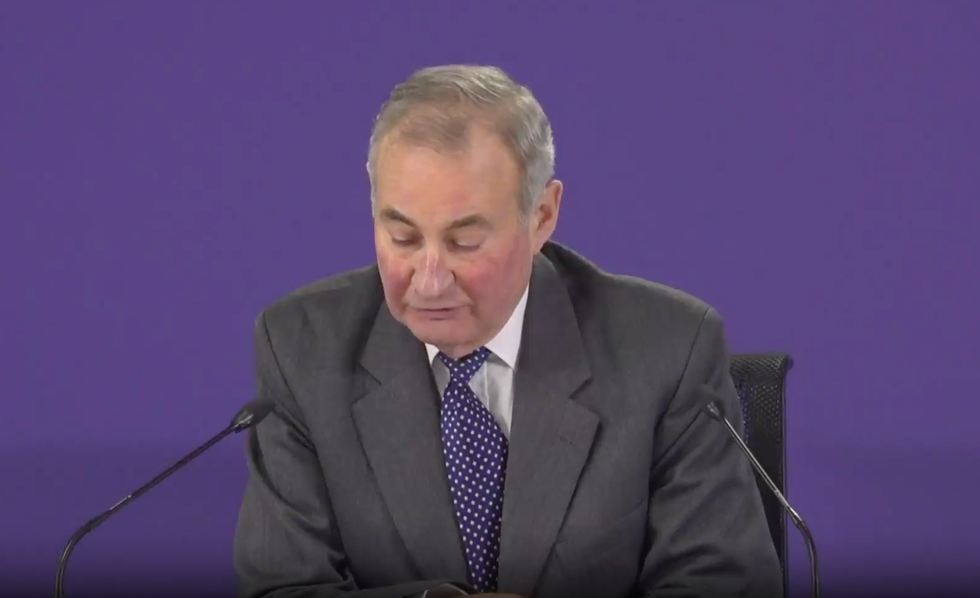
Inquiry chair Lord Anthony Hughes found that Vladimir Putin bears 'moral responsibility' for the death of Dawn Sturgess in Salisbury following the Novichock poisoning in 2018
|GB NEWS
Lord Hughes said the care that Ms Sturgess received from ambulance and hospital staff was "entirely appropriate".
"I am sure that no medical treatment could in fact have saved her life," he added.
After the attack, members of the public in Salisbury were warned against picking up litter in the streets.
Lord Hughes said the "danger of adding public alarm was a real one" and the chance of a harmful or poisonous substance being found or picked up by locals "was small".
In conclusion, he said: "I am sure that in conducting their attack on Sergei Skripal, they were acting on instructions.
"I have concluded that the operation to assassinate Sergei Skripal must have been authorised at the highest level, by President Putin.
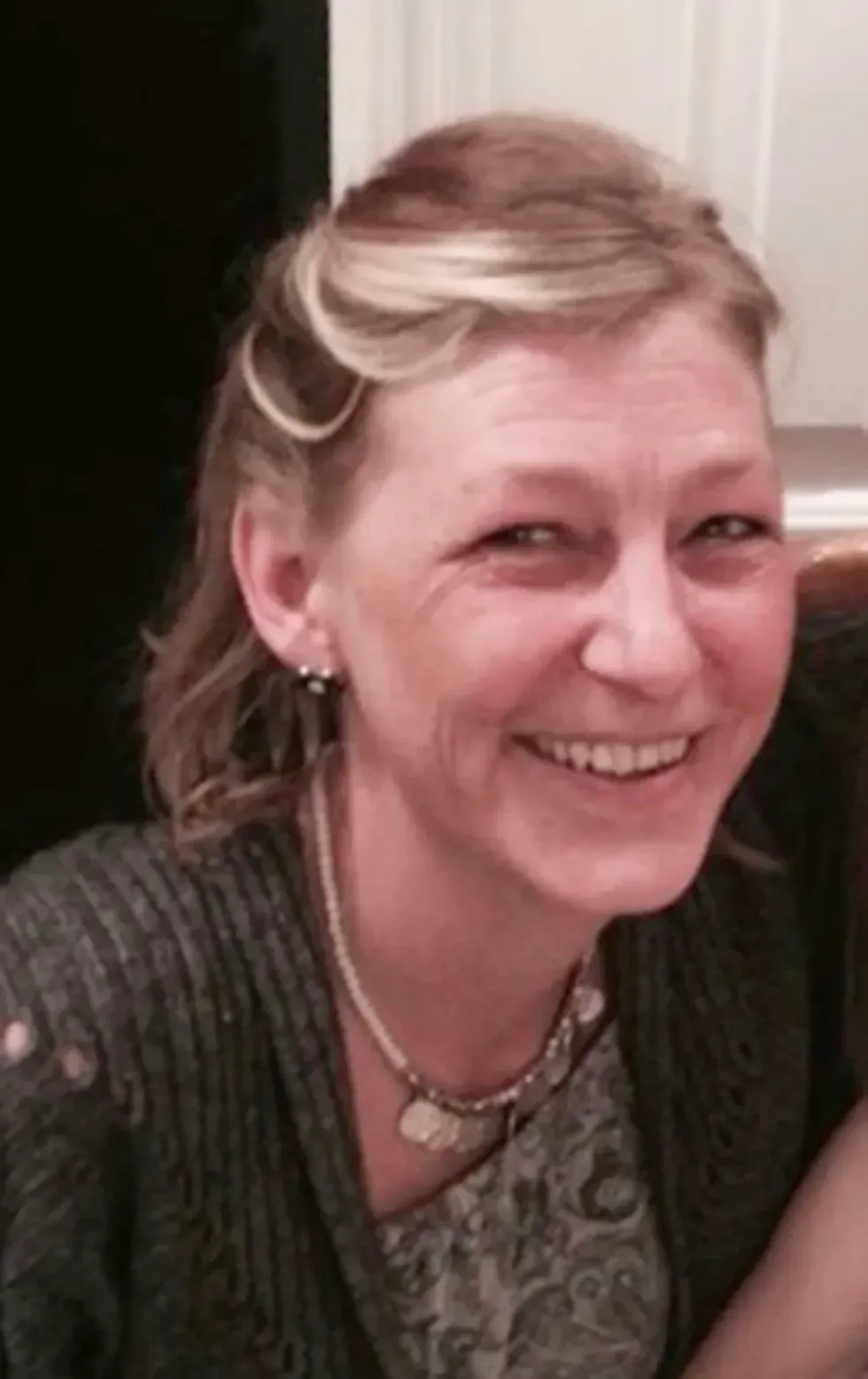
Lord Hughes said that no medical treatment could have saved Dawn Sturgess' life
| PA"I conclude that all those involved in the assassination attempt (not only Petrov, Boshirov and Fedotov but also those who sent them, and anyone else giving authorisation or knowing assistance in Russia or elsewhere) were morally responsible for Dawn Sturgess’s death.
"Deploying a highly toxic nerve agent in a busy city was an astonishingly reckless act. The risk that others beyond the intended target might be killed or injured was entirely foreseeable.
"The risk was dramatically magnified by leaving in the city a bottle of novichok disguised as perfume."
The Russian government has consistently denied involvement in the attack.
Mr Skripal and his daughter were poisoned by the chemical weapon novichok on March 4, 2018 in a suburb of Salisbury. The pair fell ill, but both survived.
Ms Sturgess was given what was thought to be perfume by boyfriend Charlie Rowley, who said that he had found the bottle in a bin.
She fell ill on June 30, 2018, after spraying the Novichok from the fake perfume bottle over herself in Mr Rowley's home, seven miles north of Salisbury. She later died on July 8, 2018.
She sustained an "unsurvivable brain injury", with Lord Hughes explaining: "The immediate circumstances of her death are clear but also quite extraordinary."
The inquiry condemned Wiltshire police for wrongfully declaring Ms Sturgess a drugs user after she was poisoned.
Lord Hughes believes three Russian assassins entered the country on March 2, with the intent of killing Mr Skripal on March 4, which was when they placed the chemical on his door handle.
"I am sure Petrov and Boshirov brought with them to Salisbury the ‘Nina Ricci’ bottle containing Novichok made in Russia that was subsequently responsible for Dawn Sturgess’s death.
"It was probably this bottle that they used to apply poison to the door handle of Sergei Skripal’s house," he said.
"They recklessly discarded this bottle somewhere public or semi-public before leaving Salisbury. They can have had no regard for the hazard thus created, of the death of, or serious injury to, an unaccountable number of innocent people."
Lord Hughes said that, given Mr Skripal’s status as a former spy, there had been failings on his management as an exchanged prisoner, and, had he have been given a new identity, the attack could have been avoided completely.
Public hearings for the inquiry took place between October and December 2024, with the inquiry costing a total of £8.3million.
Our Standards: The GB News Editorial Charter