









The overwhelming majority of graduates would vote for the political party that promised to address the “stealth tax” on student loan repayments, a survey has found.
More than 80 per cent said they had been misled on the terms of their loans when they started university, while nearly 85 per cent of the 3,209 surveyed said their vote could be swayed if a political party proposed a fairer system.
Campaign platforms Organise and Rethink Repayment said that the current student loans system “increasingly points to the hallmarks of mis-selling”, adding “the government is acting like a loan shark".
It comes as Labour's deputy leader Lucy Powell labelled the interest rates on the loans “unfair” and “egregious".
TRENDING
Stories
Videos
Your Say
Plan 2 loans, which were taken up by six million students between 2012 and 2023, are widely considered the most unfair as interest is charged at up to three percentage points above the retail price index.
This rate varies according to earnings and increases the more that the graduate earns, peaking at 8 per cent last year.
Graduates earning over the current threshold of £28,470 must contribute 9 per cent of everything they earn.
Respondents of the survey said monthly payments are competing with essentials such as food, heating and rent, while others also say that the growing debt is preventing mortgages and delaying the venture into parenthood.
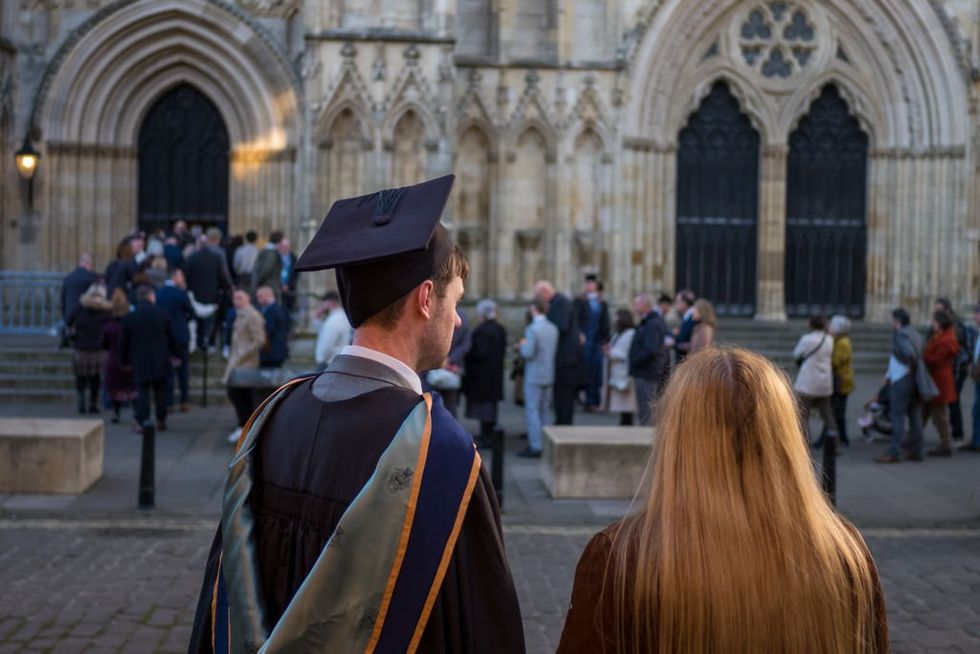
Plan 2 loans were taken up by six million students between 2012 and 2023
|GETTY
New mothers are also penalised, as the interest continues to accumulate even while they are on maternity leave.
Chancellor Rachel Reeves announced at last year’s budget that she was freezing the threshold at which repayments start until 2030. And in April this will rise to £29,385, costing low-earning graduates around £230 a year by the end of that period.
By 2031, the government predicts that this freeze will make an extra £7.4billion.
An example of the “creeping” nature of the student loan debt was given to the Telegraph by Dr Arthur Joustra, an NHS paediatric trainee, 27.
LATEST DEVELOPMENTS
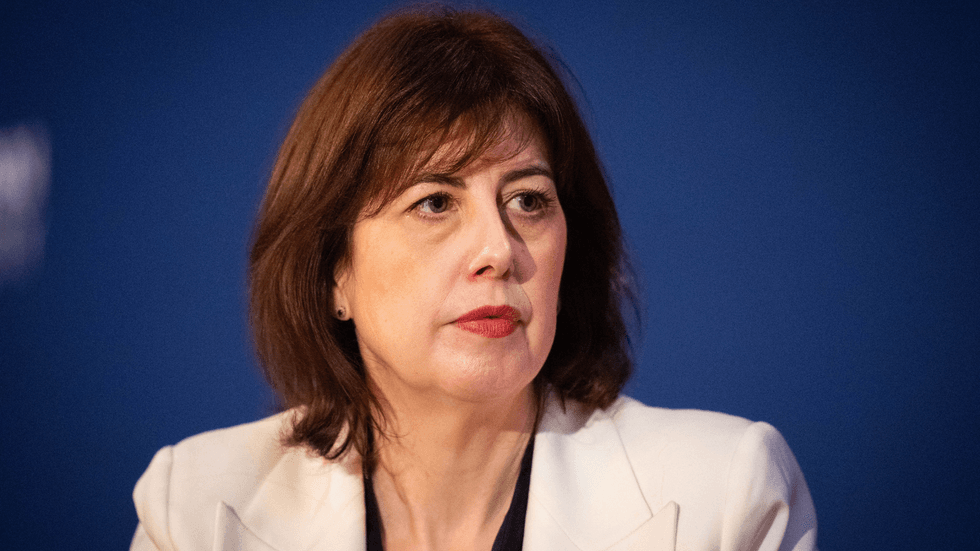
Lucy Powell suggested she believed the scheme warranted a rethink
| PAHe said he feels trapped in a cycle like many other graduates as despite initially borrowing £55,000 for his education, his debt has ballooned to £72,000 despite already repaying around £10,000 in four years of full-time work.
"Every month it comes out of my pay cheque, about £250, about £3,000 per year," he said.
"The debt is just creeping up in the background and there's not really an awful lot you can do about it."
When asked about the system, Ms Reeves maintained it was “fair and reasonable" to “get the balance right between taxing and spending".
She told ITV News on Thursday that by “getting inflation down,” the government can “reduce the interest on student loans, making them more affordable.”
Oli Dugmore, of the New Stateman, has led the way in highlighting the crisis and the work of campaigners through TV appearances and on social media.
While appearing on BBC’s Question Time, he said: “Basically, if you have a job, you’re going to pay it. It shouldn’t be like that.
“The government changed the terms of the loan that I agreed to. They did it unilaterally. I’d call that loan sharking.”
Mr Dugmore also labelled the system inherently regressive, pointing out that those families who can afford to will pay fees upfront, completely avoiding the damaging interest.
Ms Powell suggested to LBC she believed the scheme warranted a rethink.
She said: “As a parent myself with a son who is also in the Plan 2 scheme, I’ve been following these issues very closely, actually, for a number of years.
“I think the general principle is fair, but I do accept absolutely that there are issues around this Plan 2, and the plus 3 per cent — that particularly is egregious in my humble opinion.”
Oliver Gardner, of the campaign group Rethink Repayment, said those who were sold the benefits of university are now being punished.
He said: “So many graduates are working hard, earning good salaries and repaying a lot of money every month, and yet their loan balance is still compounding too quickly for them to make a dent. At that point, it stops feeling like a loan and starts feeling like a penalty for going to university.”
A Department for Education spokesman said: “These loans were designed and implemented by previous governments, and we’re making the tough but fair decisions needed to protect taxpayers and students now and for future generations of students and workers.
“The student finance system is heavily subsidised by the Government, and lower-earning graduates will always be protected, with any outstanding loan and interest cancelled after 30 years.
“Under this system, graduates earning some of the highest salaries in the country contribute more towards the repayment of their student loan than workers who did not attend university or graduates on the lowest salaries.”
Our Standards: The GB News Editorial Charter
More From GB News