











Schools should "revive national pride" as part of a direct challenge to the nation's "anti-patriotic elites", an academic has told GB News.
Alka Sehgal Cuthbert, an academic who is now director of the campaign group Don't Divide Us, argued that schools should place greater emphasis on national education on St George's Day.
Ahead of this year's celebrations for England's patron saint, Ms Sehgal Cuthbert told GB News: "The English flag, like the flag of other nations, is not reducible to a single meaning - good or bad.
"For too long, the dominant cultural and intellectual narrative has been that England, and by extension Britain, was once regarded as the source of all progress and moral worth but has now been revealed as the opposite: the source of all that is wrong and unjust.
TRENDING
Stories
Videos
Your Say
"This is not true but remains influential among those with cultural power.
"In this context, raising the flag is best seen as a first, spontaneous response; one that recognises that this damning narrative of our country can no longer go unchallenged.
A growing number of voices have also urged schools to fly St George’s flags in classrooms across England amid evidence the younger generation is increasingly less patriotic.
There are also concerns that England’s national story is being replaced in the name of multiculturalism.

Schools should 'revive national pride' as part of a direct challenge to the nation's 'anti-patriotic elites', an academic has told GB News
|GETTY
Campaigners argue that teaching the significance would create a renewed sense of shared identity and cultural confidence at a time when national pride is low.
A recent poll revealed that half of those aged 16 to 29 said that they would now fight for Britain in a war under any circumstances.
Only 38 per cent said they would do so "under some circumstances”.
The remaining 12 per cent did not know.
The poll of 2,000 people aged from 16 to 29, commissioned by the John Smith Centre at Glasgow University, found that the number expecting their lives to be better than their parents’ had halved in a year, going from 63 per cent to just 36 per cent.
LATEST DEVELOPMENTS
- WATCH: Sadiq Khan skewered on GB News after getting St George's Day wrong in social media post
- 'We need to remember who we are!' Patriotic Briton hails St George's Day celebration as thousands descend on Trafalgar Square
- So-called 'flag-downers' BRAG after pulling 1,000 Union Jacks and English flags from lampposts
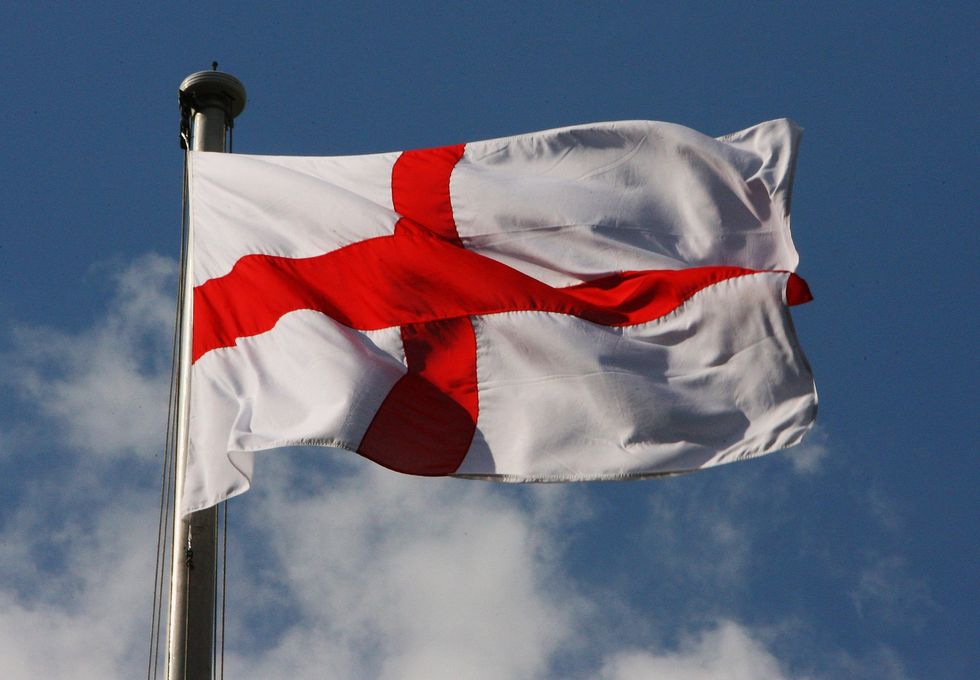
The occasion celebrates English culture, heritage, and national identity
|GETTY
Ms Sehgal Cuthbert added: "But identities are made from more than symbols alone, and symbols need to have some connection to reality. It would be a pity if challenging the anti-patriotism of our elites remained at the level of flag-raising alone.
"Why not make St George's Day a day to celebrate England's history with some actual history? Why not have public meetings – school visits – to reintroduce people to part of their past, which is so richly inspiring, where individuals were willing to die for their faith as well as country?
"This could be something Brits, by ancestry or civic naturalisation, could feel they want to be part of.
"It would contribute to making English cultural traditions meaningful for many; and as such it would be wholly in the interest of the public good at a time when some voices would have us believe that English identity is either written in blood or has no existence at all."
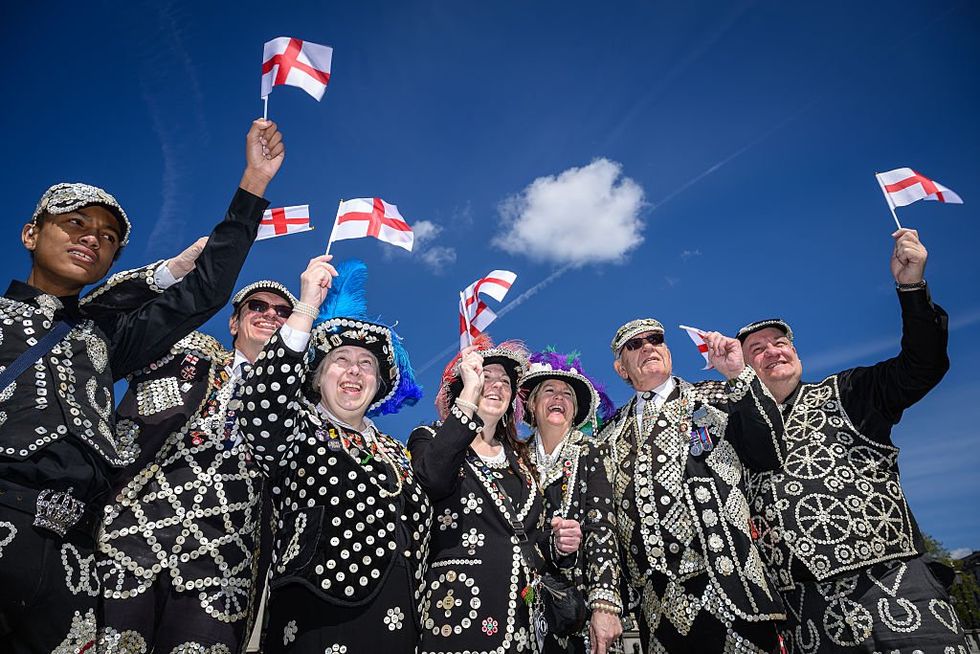
St George’s Day is traditionally celebrated on April 23, marking the anniversary of the saint's death in 303 AD
|GETTY
Meanwhile, Aman Bhogal, a campaigner for a Global Britain, echoed the importance of the day.
He claimed that celebrating St George’s Day is the "perfect way to honour and respect our history, heritage and traditions – all things which have been central to building the thousand-year success story that is Britain".
Mr Bhogal told GB News: "Our England is a great civilisational nation. Calling England home and belonging to this green and pleasant land is winning the lottery of life.
"National unity is our biggest strength and that flows from a strong national identity which takes root in our history and traditions. St George’s Day enables local communities across England to remember how local history and legend weaves into our national tapestry."
He said: "St George’s Day belongs to us all who value England and all the privileges she offers those who are blessed to proudly call this our home.

Bhogal has previously argued that national flags should be flown at every institution as a symbol of unity
| AMAN BHOGAL WEBSITE"When my grandfather made England his home all the way back in 1959, this great nation didn’t ask him where he came from, only where he was going.
"With his affinity for England – something which resonates amongst millions of British Indians celebrating St George fills me and millions like me with great pride and gratitude."
Discussing the importance of the St George’s Cross, Mr Bhogal suggested we should be more like America and India in fly their national flags "unapologetically to instil national unity and a proud sense of belonging".
He said: "The flag of St George ought to be flown with pride all year round and that is why it was a sight for sore eyes to see the Raise the Colours campaign unfurl last Summer.
"For the last three decades of the Blairite orthodoxy our national identity has been eroded under the caustic tap of multiculturalism and the toxic identity politics which has been peddled left, right and centre.
"It’s quite simple, we have an unparalleled history of achievements and glorious traditions which make England truly unique.
"It is a time for a revival of national pride and far greater learning of the very profound nature of how England and Britain have been a great force for good."
Our Standards: The GB News Editorial Charter