










UK Government borrowing fell by £19.8billion over the past financial year to £132billion in the 12 months to March 2026.
Borrowing came in £700million below the Office for Budget Responsibility (OBR) forecast of £132.7billion, the Office for National Statistics (ONS) said.
This represents a 13.1 per cent decline compared with the previous year and marks the lowest annual borrowing total since 2022-23.
The figures provide a boost for Chancellor Rachel Reeves amid ongoing economic challenges.
TRENDING
Stories
Videos
Your Say
Borrowing stood at 4.3 per cent of gross domestic product, the lowest level recorded since 2019-20 prior to the coronavirus pandemic.
Tom Davies, senior statistician at the ONS, said: "Borrowing was almost £20billion lower than in the previous financial year, and broadly in line with the OBR's forecast".
He added: "As a proportion of gross domestic product, it fell to its lowest level since 2019-20, just prior to the pandemic".
Mr Davies said that while Government spending increased over the period, higher tax receipts more than offset the rise in expenditure.
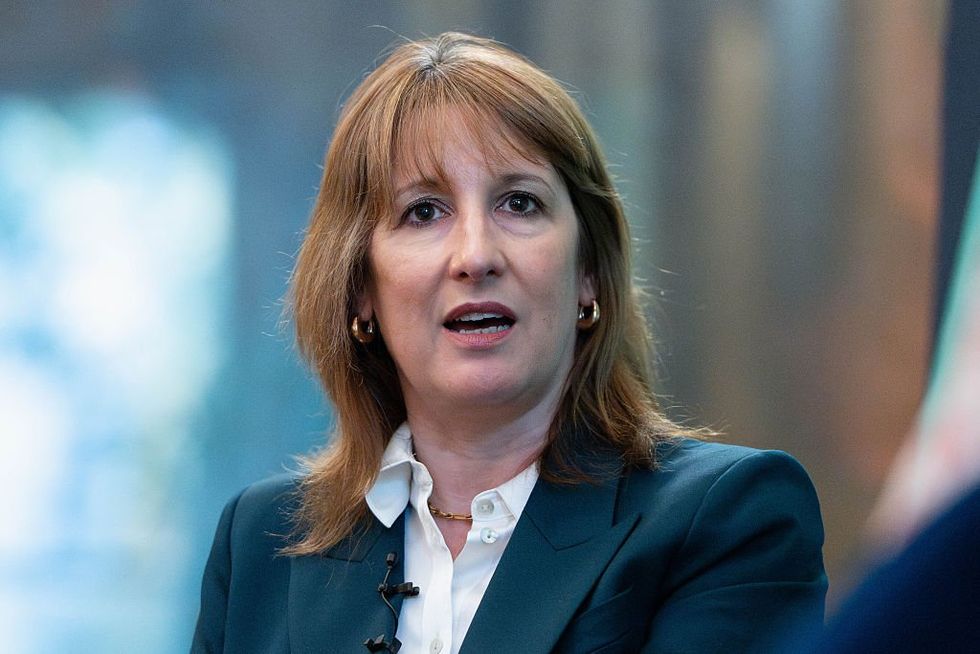
UK borrowing falls to £132billion as ONS data boosts Rachel Reeves but economists warn rise ahead
|GETTY
He also noted that borrowing in March alone was ten per cent lower than in the same month in 2025.
The data indicates that the Treasury’s fiscal position improved over the year, with revenue growth outpacing increases in public spending.
Despite the improvement, economists warned the trend may not continue.
Ruth Gregory, deputy chief UK economist at Capital Economics, said she did "not expect this improvement to last long".
She warned that the full impact of the energy price shock linked to the Iran conflict "is still to come".
Ms Gregory said borrowing could rise to around £145billion in the current financial year.
She pointed to several factors likely to increase borrowing, including energy support measures worth about £20billion, higher interest rates and a weakening domestic economy.
The Chief Secretary to the Treasury, James Murray, welcomed the figures.
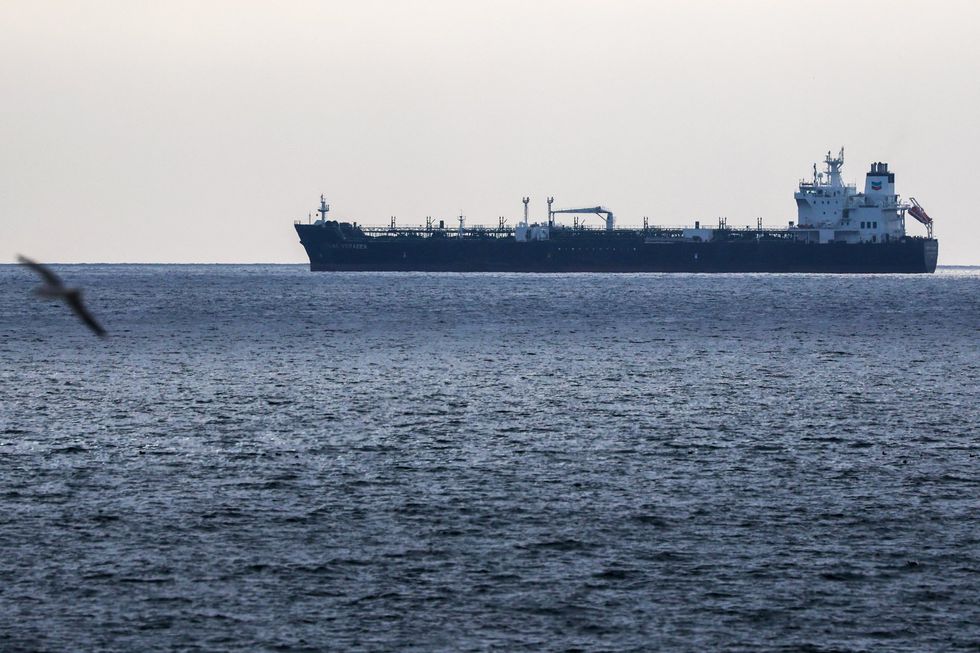
The Strait of Hormuz closures have caused mayhem for Britain's energy supply
| GETTYHe said: "Our deficit is down £19.8billion because of our plan to cut borrowing. In a volatile world the decisions we are taking are the right ones to keep costs down, take back our energy security and cut borrowing and debt".
Monthly figures for March showed borrowing of £12.6billion.
This was higher than most economists had expected but represented a £1.4billion reduction compared with March 2025.
It was also the lowest borrowing total for the month of March since 2022.
The Treasury will face continued scrutiny over whether it can maintain this trajectory as external economic pressures persist.