








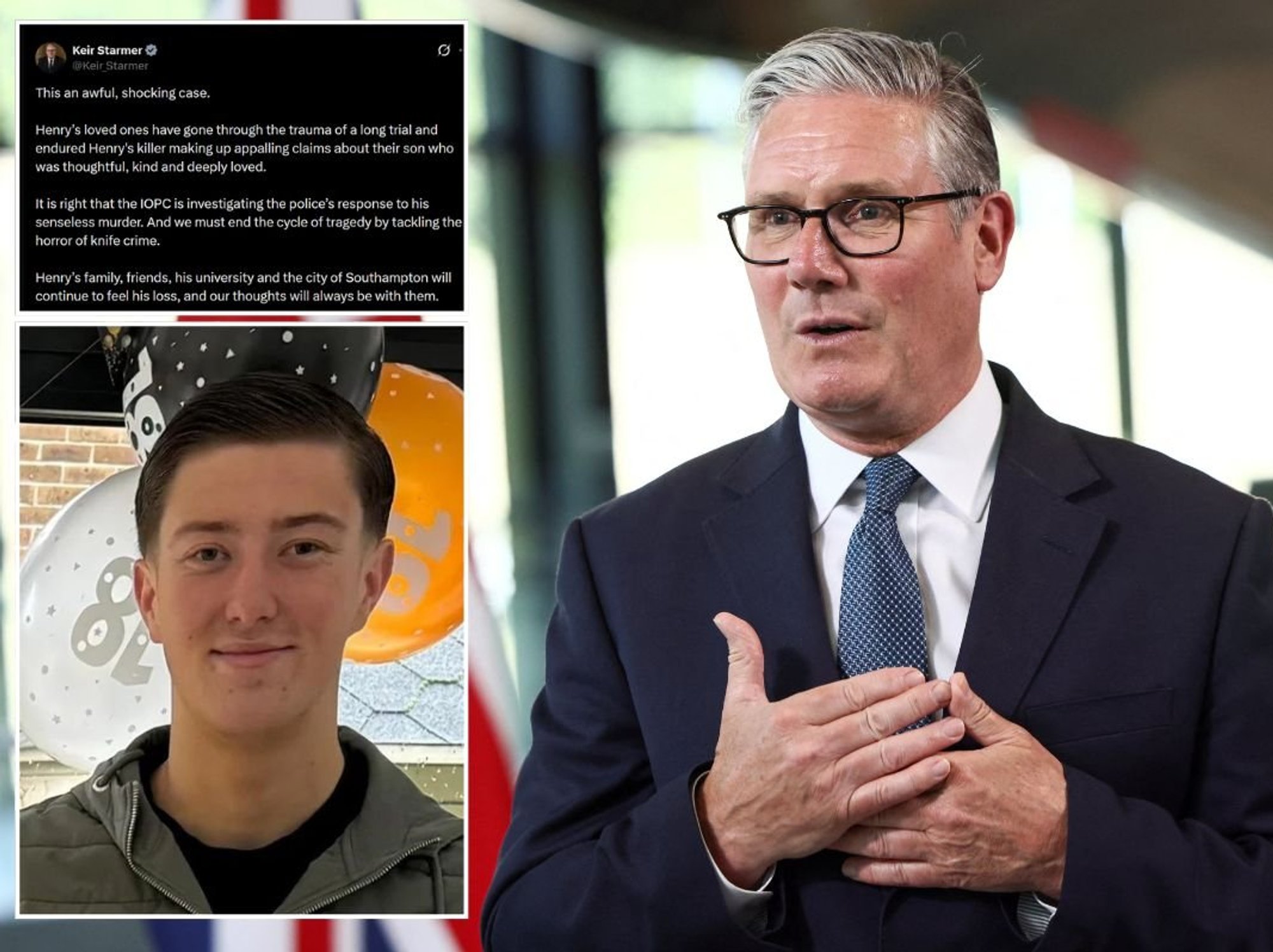

The newly released Mandelson files offer the clearest insight yet into how the Chagos negotiations were handled inside Government - and the picture is one of haste, anxiety and selective transparency.
The released documents show senior figures pushing to rush the agreement with Mauritius through with minimal scrutiny, even as they acknowledged the strategic importance of the territory and the risks of mishandling it.
They also reveal an awareness of potential Chinese interest in the region, though this concern appears more as background noise than as a driving factor in the decision‑making.
What emerges most strongly is a contradiction: officials repeatedly stress how vital the Chagos Islands are to Western defence, yet the files show little appetite to defend the UK’s position.
Throughout the released correspondence between Peter Mandelson and senior No10 figures, the deal is framed as essential to securing the future of the joint US‑UK base on Diego Garcia, with multiple references to its role in counter‑terrorism, maritime surveillance and the wider Indo‑Pacific strategy.
Sovereignty transfer is described as a “pragmatic resolution” to a decades‑long dispute, with the UK retaining a 99‑year operational right and Mauritius agreeing not to allow any other military power access to the outer islands to counteract Chinese interests.
This is also interesting because Mauritius has made the case that Chagossians will be allowed back onto the islands but this correspondence makes clear the outer islands will remain empty, which matches the vague wording of the Treaty which does not guarantee the return of Chagossians, nevermind the return of British Chagossians.
But the files also expose major gaps in the Government’s public narrative.
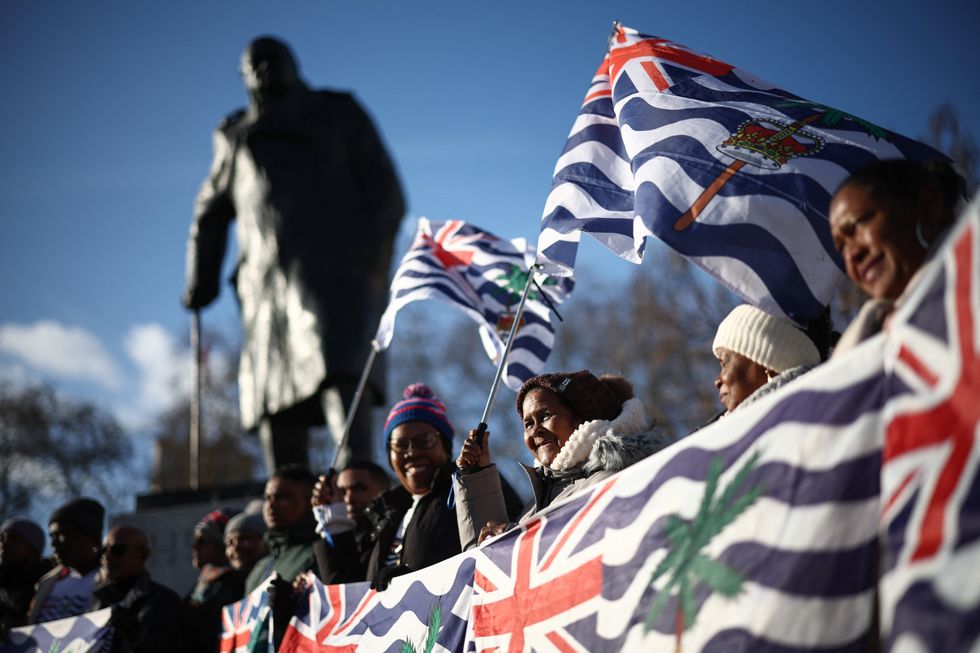
Mauritius has made the case that Chagossians will be allowed back onto the islands but this correspondence makes clear the outer islands will remain empty
|GETTY
Ministers have repeatedly suggested that an international legal process created an imminent threat to the base, yet the documents contain no evidence of any specific case, ruling or tribunal capable of forcing changes to operations on Diego Garcia.
In one note to National Security Advisor Jonathan Powell, then‑Ambassador Peter Mandelson stresses the importance of retaining sovereignty, only to pivot abruptly to the claim that sovereignty “must” be ceded because of an imminent court ruling.
No court is named. No legal advice is referenced. No effort is shown to test whether the UK could defend its position. The absence of detail raises the question of whether the “legal threat” was overstated to justify the speed and scale of the agreement.
Equally striking is what the files do not mention.

A second tranche of the Mandelson files was released on Monday
|PA
There is no reference anywhere to the UK’s UNCLOS Article 298 opt‑out, which shields it from compulsory jurisdiction in maritime boundary disputes.
According to discussions with the current US Ambassador, this opt‑out was not raised with Washington at any stage - a point consistent with the silence in the documents.
If the Government genuinely believed a binding legal defeat was imminent, the files do not show it.
The strategic consequences of ceding the British Indian Ocean Territory are acknowledged only in passing.
One memo notes that the UK will lose full membership of the Indian Ocean Naval Symposium, but there is no analysis of how this affects the UK’s Indo‑Pacific posture, maritime influence or long‑term access.
Financial transparency is also absent. Large sections of the files are redacted, including areas that appear likely to contain costings for the new arrangements, the financial terms of continued UK use of Diego Garcia and any assessment of the implications of excluding Chagossian resettlement.
Perhaps the most glaring omission is the private conversation between the former No.10 Director of Communications, Matthew Doyle, and Peter Mandelson which states “worry about Chagos” and then redacts the rest of the exchange for unknown reasons.
One thing is unmistakable: officials feared and continue to fear public scrutiny.
Several passages refer to the need to “manage” media interest and avoid political fallout, and the heavy redaction across the files suggests a continued reluctance to expose the full reasoning behind the deal.
For all the talk of transparency, the Mandelson files leave the impression of a Government determined to present sovereignty transfer as inevitable, even when the internal Government correspondence does not support that conclusion.