

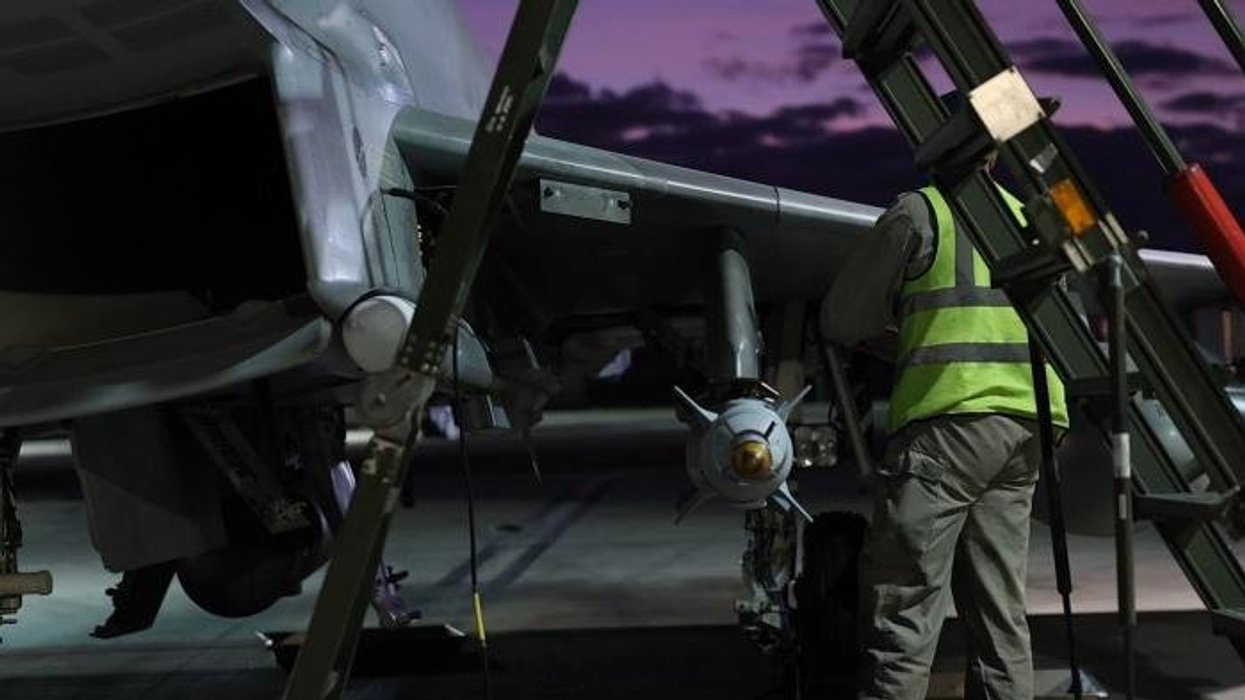







Royal Air Force Typhoon fighter jets will be equipped with advanced radar technology as part of a £453million investment.
The contract award is being confirmed during Defence Secretary John Healey's visit to Leonardo UK's facility in Edinburgh.
Three major defence contractors, BAE Systems, Leonardo UK and Parker Meggitt, will carry out the upgrade work over the coming years.
The investment directly protects 300 positions in Edinburgh, 120 roles in Lancashire, and over 100 jobs in Luton.
TRENDING
Stories
Videos
Your Say
The broader Typhoon programme sustains more than 20,000 workers at 330 companies throughout the country.
This announcement comes as Nato faces mounting pressure, with Russian drones continuing to strike Ukraine and breach alliance airspace.
The contract will see 40 Typhoons fitted with the European Common Radar System Mk2, comprising 38 newly built units and modifications to two existing test systems.
This technology replaces the older Captor-M radar and represents the first time RAF jets will possess the ability to jam enemy air defences.
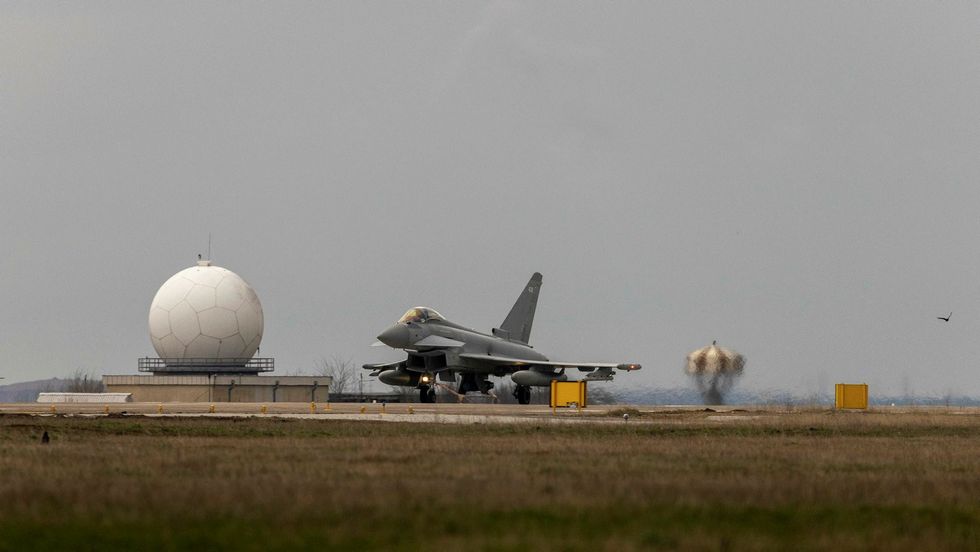 RAF Typhoons have been a key part of the RAF fleet | MoD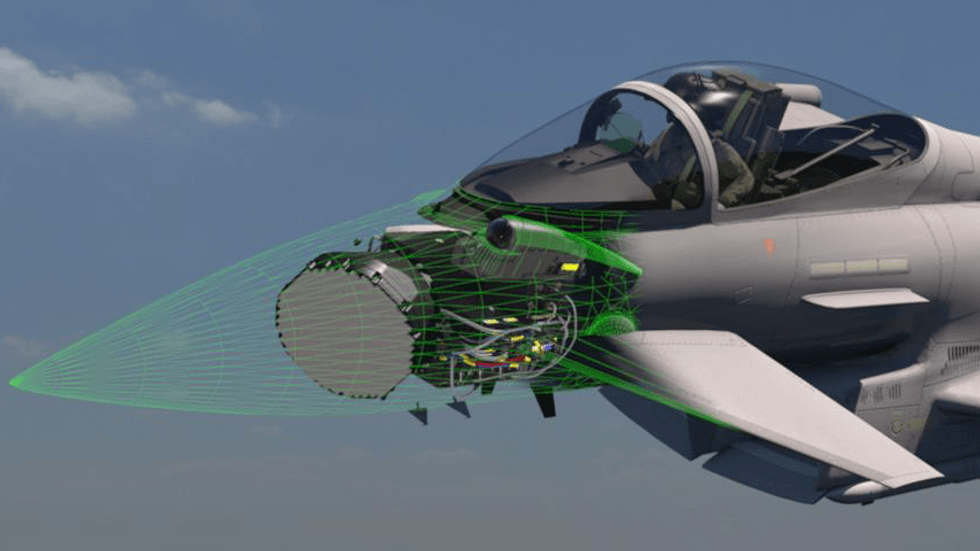
Typhoons will be fitted with the European Common Radar System Mk2, comprising
|MoD
Pilots operating the upgraded aircraft will be able to detect, identify and track numerous targets simultaneously, both airborne and ground-based.
The system is sufficiently advanced that crews can engage hostile targets beyond the range of threats — even whilst looking in a different direction.
Britain operates 110 Typhoons in total, though only the newest "tranche three" aircraft, which will remain operational until 2040, will receive the enhancement.
Mr Healey described the Typhoon fleet as "the backbone of UK and Nato air defence, operated across Europe by the Royal Air Force and our allies to protect our skies and security."
LATEST DEVELOPMENTS
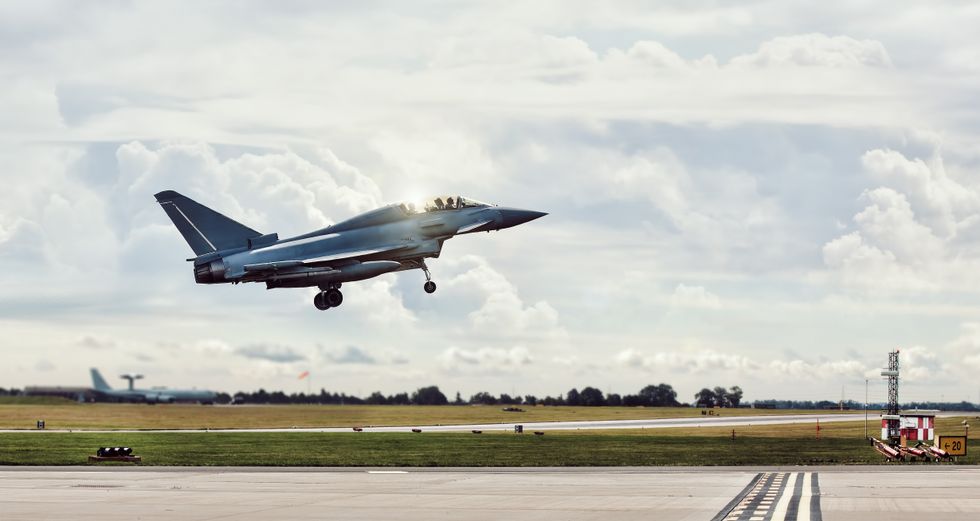
LabourUK signs major £8 BILLION deal with Turkey as Britain to supply 20 new Typhoon fighter jets announced additional funding to support Britain's fleet of Typhoon fighter jets
| GETTYThe Defence Secretary added: "As the threats we face increase, and as Russian drones continue to strike Ukraine and violate Nato airspace, this cutting-edge radar capability will keep Britain secure at home and strong abroad for many years to come."
The Defence Secretary emphasised the Government's commitment to the workforce.
He said: "In Edinburgh and across the UK, we're backing more than 20,000 skilled workers on the Typhoon programme who ensure our RAF remains ready to protect Britain."
This week's combined defence spending exceeds £650million, following a separate £205million contract awarded to QinetiQ for specialist Typhoon engineering support.
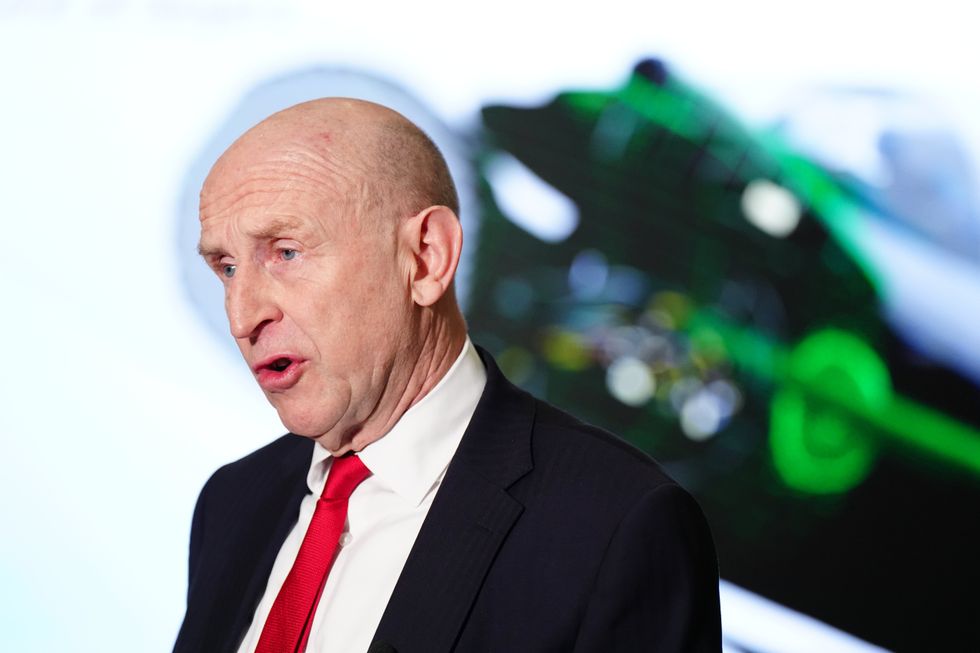
Defence Secretary John Healey announced the investment this morning
|PA
Scottish Secretary Douglas Alexander hailed the contract as evidence of Scotland's vital contribution to national security.
He said: "This £453million contract award to build state-of-the-art radar systems for Typhoon fighter jets shows just how vital Scottish expertise is to the UK's national security, and why Scotland is globally recognised as a centre of defence excellence."
Senior vice-president of radar and advanced targeting at Leonardo UK Mark Stead highlighted the system's sophisticated capabilities.
He said: "ECRS Mk2 isn't just an exceptional radar, it's equipped with advanced electronic surveillance and electronic attack capabilities which will make RAF's Typhoons more potent against their adversaries, adapting to new and unpredictable threats."
The Government has committed to continuing Typhoon upgrades as part of its strategic defence review, with the aircraft set to defend British skies until at least the 2040s.
More From GB News