











Up to a quarter of a million animals are killed every year to sustain the grouse shooting industry, a new book has claimed.
The deaths include songbirds, hedgehogs, birds of prey and other protected wildlife, and even pets caught unintentionally in traps and with poisons used across the country’s grouse moors, according to Oxford-based researchers.
The grouse shooting season - practised across the country for more than 150 years and running from 12 August, to 10 December, leads to the cull of 400,000 to 500,000 red grouse every year.
The shoots, which attract wealthy visitors from abroad, are supported by some conservationists who say they help maintain the biodiversity balance of animals and moorland.
TRENDING
Stories
Videos
Your Say
They also say the shoots help the economy of remote rural areas, supports seasonal jobs, and helps maintain heather moorland landscapes.
However, in the book, The Ethics of Predator Control, academics linked to the Oxford Centre for Animal Ethics estimate that between 120,000 and 260,000 animals a year die as a result of predator control linked to grouse shooting in Scotland alone.
The authors say the majority of animals killed are targeted grouse predators such as foxes, stoats and rats - but a significant proportion are not.
They add that the same techniques are used across the country in the name of conservation and ‘land management’ and estimate hundreds of thousands more animals are being inadvertently killed as a result.
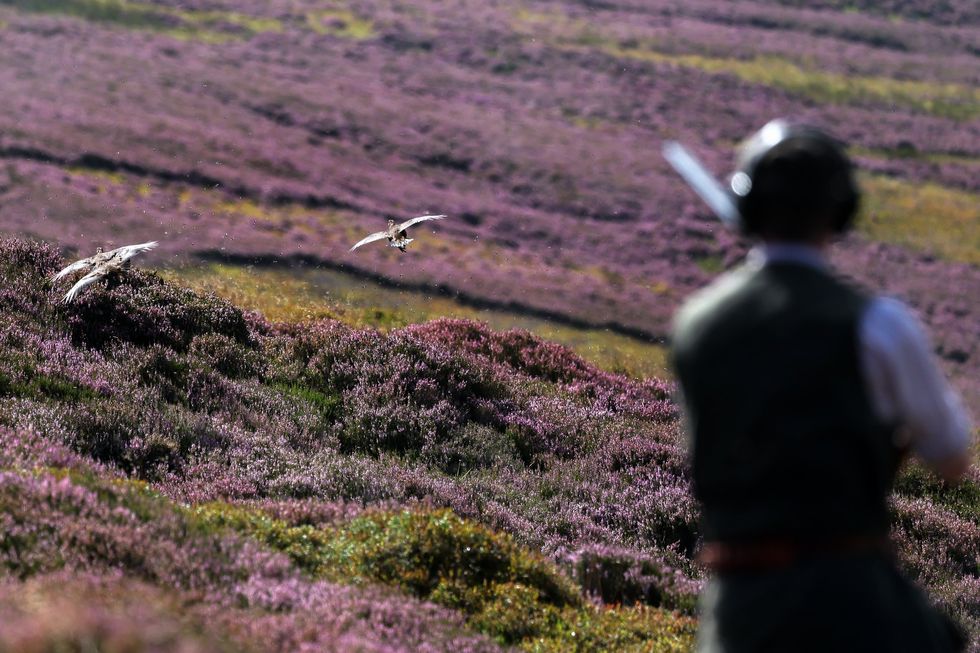
Up to a quarter of a million animals are killed every year to sustain the grouse shooting industry
|GETTY
Recorded non-target victims include hedgehogs, pine martens, hares, deer, the forest bird capercaillies, birds of prey, songbirds and even pet dogs and cats.
Most deaths are caused by metal spring-loaded traps, including rail traps set on posts over streams and tunnel traps hidden in artificial runs.
These snap shut when an animal enters. Although designed for small predators, the book says they are not selective.
Joint author Professor Andrew Linzey said: “The suffering inflicted on animals in predator control represents a lacuna in moral thought.”
LATEST DEVELOPMENTS
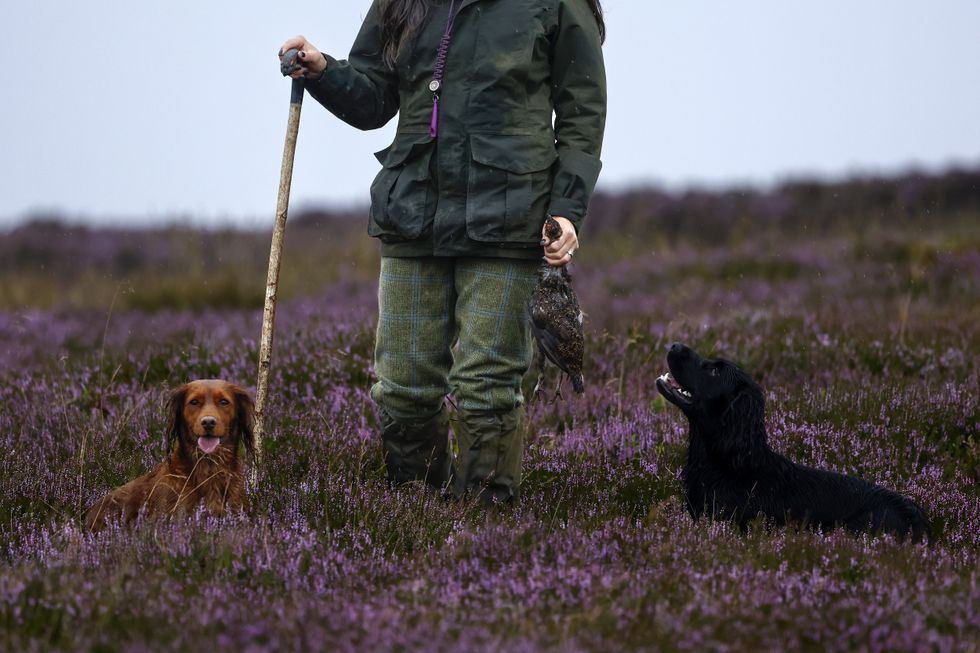
Snares are now illegal in Scotland and Wales, but they are still widely used in England
|GETTY
He added: “We kill animals that kill out of necessity so that we can kill other animals for sport - the logic that could defend this position would have to be grotesque.”
Co-author Dr Clair Linzey said: “This book shows that we need to look at the tradition of grouse shooting and predator control in a new light because the scale of animal suffering and death throws into question the justification of this traditional practice.”
A field study cited by the authors found that 39 per cent of animals caught in spring traps were not the intended targets.
In rail traps alone, 17 per cent of recorded deaths were birds.
Some animals were found caught by their legs or feet, while others were discovered decomposing or mummified, suggesting traps had not been checked for long periods.
Snares are now illegal in Scotland and Wales, but they are still widely used in England.
The estimate is based on a survey of seven grouse estates, monitored over 128 days.
Researchers walked more than 400 square kilometres of moorland, recording traps found and whether they were active.
They calculated how many traps were operating on any given day - known as “trap days” - and extrapolated the results.
Using published capture rates, they concluded that predator control kills up to 260,000 animals a year in Scottish moorlands alone - around 15 animals per square kilometre of grouse moor.
The authors say the figure does not include animals shot outright or killed in live-capture traps, meaning the total could be higher.
The book also challenges claims that predator control benefits biodiversity and conservation.
They say the scientific evidence most often cited in support of predator control does not show broad ecosystem benefits, and instead demonstrates gains that are narrow, localised and tied to shooting interests.
The book also questions claims by the Game and Wildlife Conservation Trust that predator control leads to an overall biodiversity gain claiming there is a lack of robust long-term evidence to show this.
More From GB News