









Senior police figures continue to frame prostitution as a form of legitimate employment, despite warnings from MPs.
A parliamentary group has raised objections to this type of language, taking issue with NPCC guidance recommending that officers substitute terms like "prostitute" and "prostitution" with phrases such as "sexual entrepreneurs".
Now, Dan Vajzovic, who serves as the national police lead for sex work and prostitution, posted on LinkedIn ahead of the National Police Chiefs' Council's annual conference on the subject.
He characterised being a "sex worker" in occupational terms, noting it was "not a high paid job".
TRENDING
Stories
Videos
Your Say
He wrote: "The sad reality is that there is a demand for commercial sex and some people see little viable alternative to make ends meet so become involved in supply services."
The conference, organised by the NPCC's Sex Work Working Group, emphasises "breaking stigma" surrounding prostitution, a theme reflected throughout the organisation's Sex Work National Police Guidance.
The All-Party Parliamentary Group on Commercial Sexual Exploitation, chaired by Labour MP for Gower Tonia Antoniazzi, has previously criticised this approach.
A spokesman for the group said: "The language of 'sex work' is not neutral. These are ideologically and politically charged terms that normalise the exchange of money for sexual acts as a job like any other, which it is not."
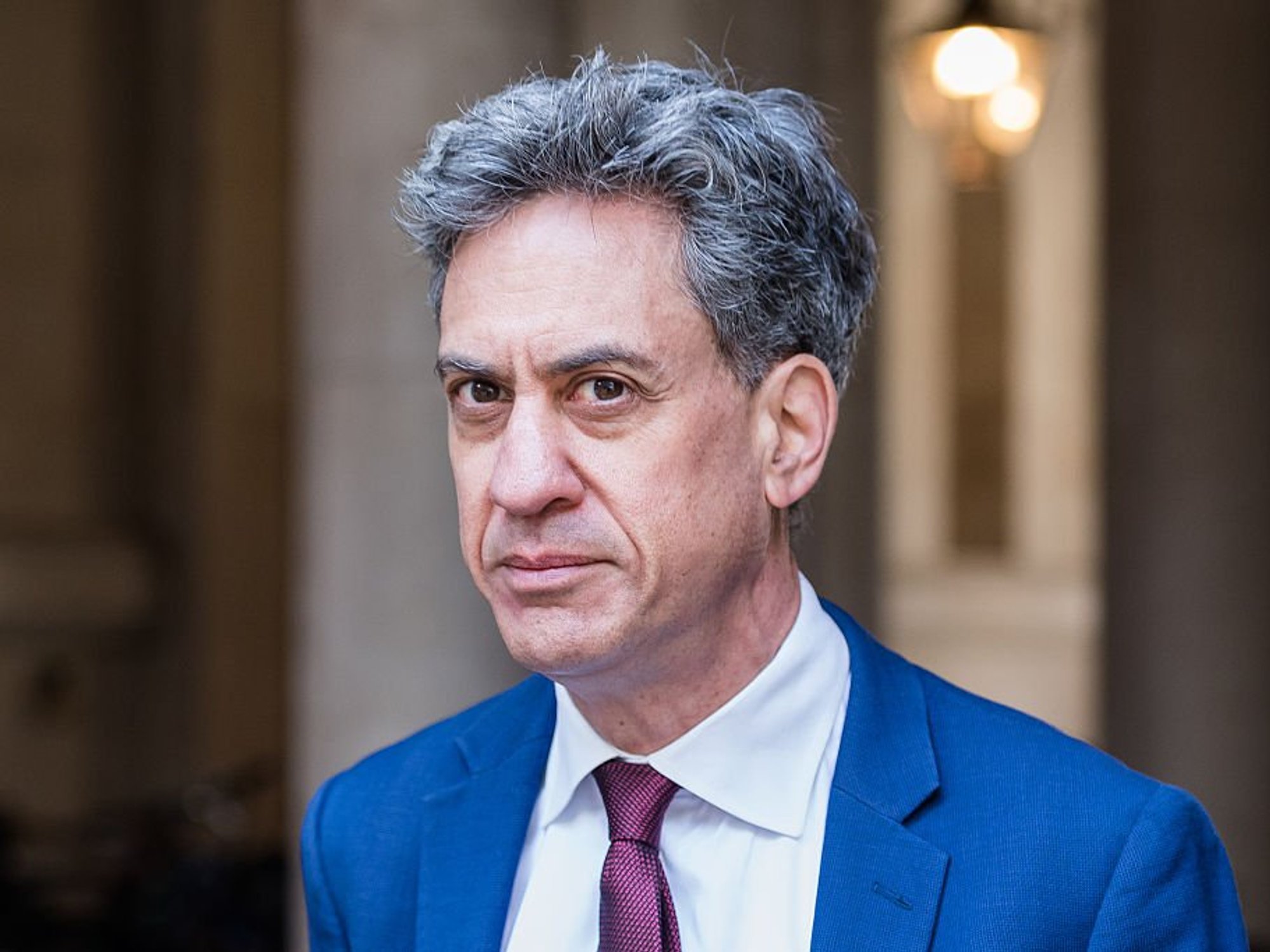
 MPs said they were concerned about the police chief's use of language | GETTY
The spokesman added: "Prostitution is a form of sexual exploitation and abuse.
"Rebranding it as legitimate work through sanitised terminology obscures the reality that the majority of women involved are highly vulnerable and face a disproportionate risk of extreme violence. The use of this highly contested language by the NPCC is wholly inappropriate."
Research compiled by the parliamentary group in 2021 revealed that only 3.6 per cent of men had purchased sex during a five-year period.
The same report found that approximately half of women involved in prostitution had begun receiving payment for sexual acts before reaching 18 years of age.
LATEST DEVELOPMENTS
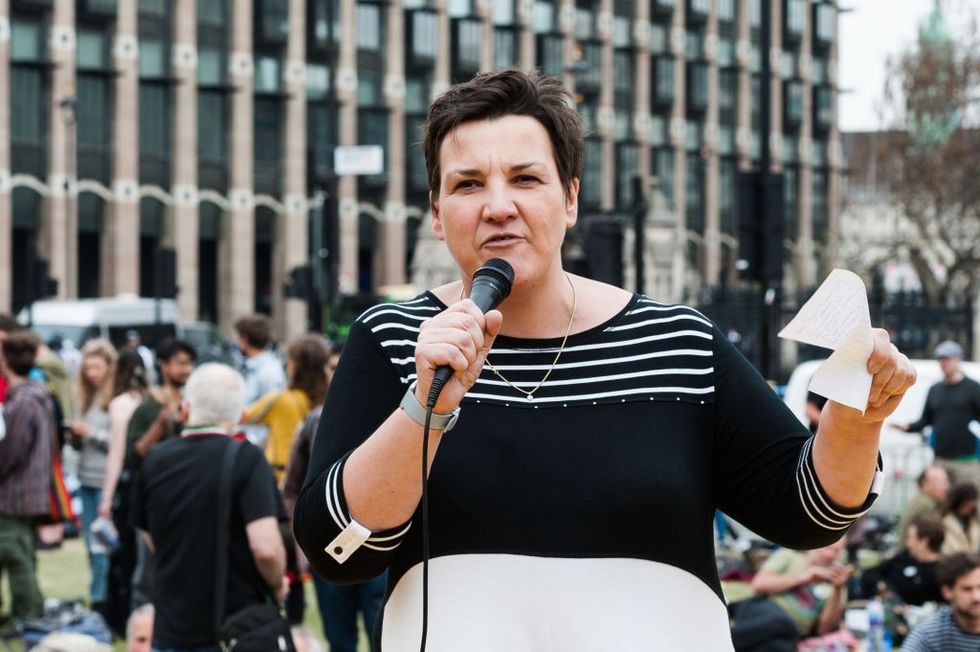 Tonia Antoniazzi issued a warning against the plans | GETTY
Separate research from 2018, also cited in the report, concluded that organised crime and sexual exploitation dominate the UK sex trade.
Cathy Larkman, a former police officer who now serves as director at the Women's Rights Network, said her career gave her direct exposure to prostitution's impact on women and girls.
She said: "It is sad, exploitative and desperate and those trapped in it often find it extremely difficult to exit and rebuild their lives. To soften this reality by calling it 'sex work' is deeply offensive and disingenuous.
"Rebranding prostitution as work or a career choice risks legitimising the exploitation of women and girls and making it appear comparable to other forms of employment, which it is not."
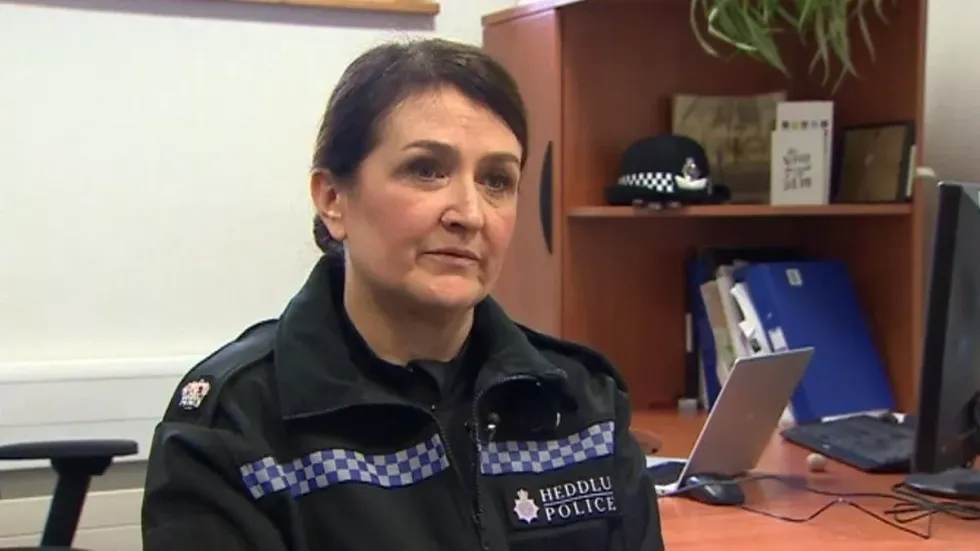
Retired police superintendent Cathy Larkman said her career gave her direct exposure to prostitution's impact on women and girls
| SOUTH WALES POLICEThe MPs have previously called for an adoption of Police Scotland's model, which avoids the term "sex work" and "recognised the exchange of money for sex acts as a form of violence against women".
A Home Office spokesman previously told The Telegraph: "For too long, women have been trapped within sexual exploitation under the guise of prostitution.
"We will use every lever available to us to stop this."
An NPCC spokesman told GB News: "Policing exists to enforce the law and safeguard the vulnerable, not to make judgements and decisions based on personal morality.
"We recognise that some people choose to work in the commercial sex industry, which can be a legal and sometimes personal choice. Similarly, we recognise that the sex industry is a significant contributor to sexual exploitation. Where someone is forced or coerced into prostitution we would support them as a victim.
"Where someone is coerced or forced into the sex industry, they are not a sex worker, they are a vulnerable or exploited victim.
"Legislation and policy around the commercial sex industry is one of the most polarising and contested areas of law enforcement, with a diverse range of views and opinions.
"We work with a range of organisations and take those views into account to ensure that policing is focused on protecting the most vulnerable and bringing those who exploit or abuse to justice.
"Through our engagement, we know that historically trust and confidence in policing from sex workers has been low and can discourage victims of exploitation and violence from reporting to the police.
"The language we use is an important part of building trust and confidence, which is why in certain contexts, we use the term sex worker."
More From GB News