










More than 1,200 homes have been evacuated as a World War Two bomb is set to be blown up in a controlled explosion tomorrow.
The device was discovered at a building site in Plymouth earlier today, forcing the police to cord off an area of Southway.
Devon and Cornwall Police urged residents to stay away, while Plymouth City Council put in place measures to support displaced residents at Southway Community Centre.
In an update around 9.30pm, Devon and Cornwall Police enlarged the cordon to a 400-metre radius.
A spokesman for the force said: "Police are in the area of Flamborough Road, Southway, in Plymouth, following a report that a suspected ordnance was located at a building site at 2.30pm this afternoon.
"A cordon is in place with associated road closures.
"The Royal Navy Explosives Ordnance Department will be attending to assess the item.
"We ask people to please avoid the area at this time. The incident is ongoing."
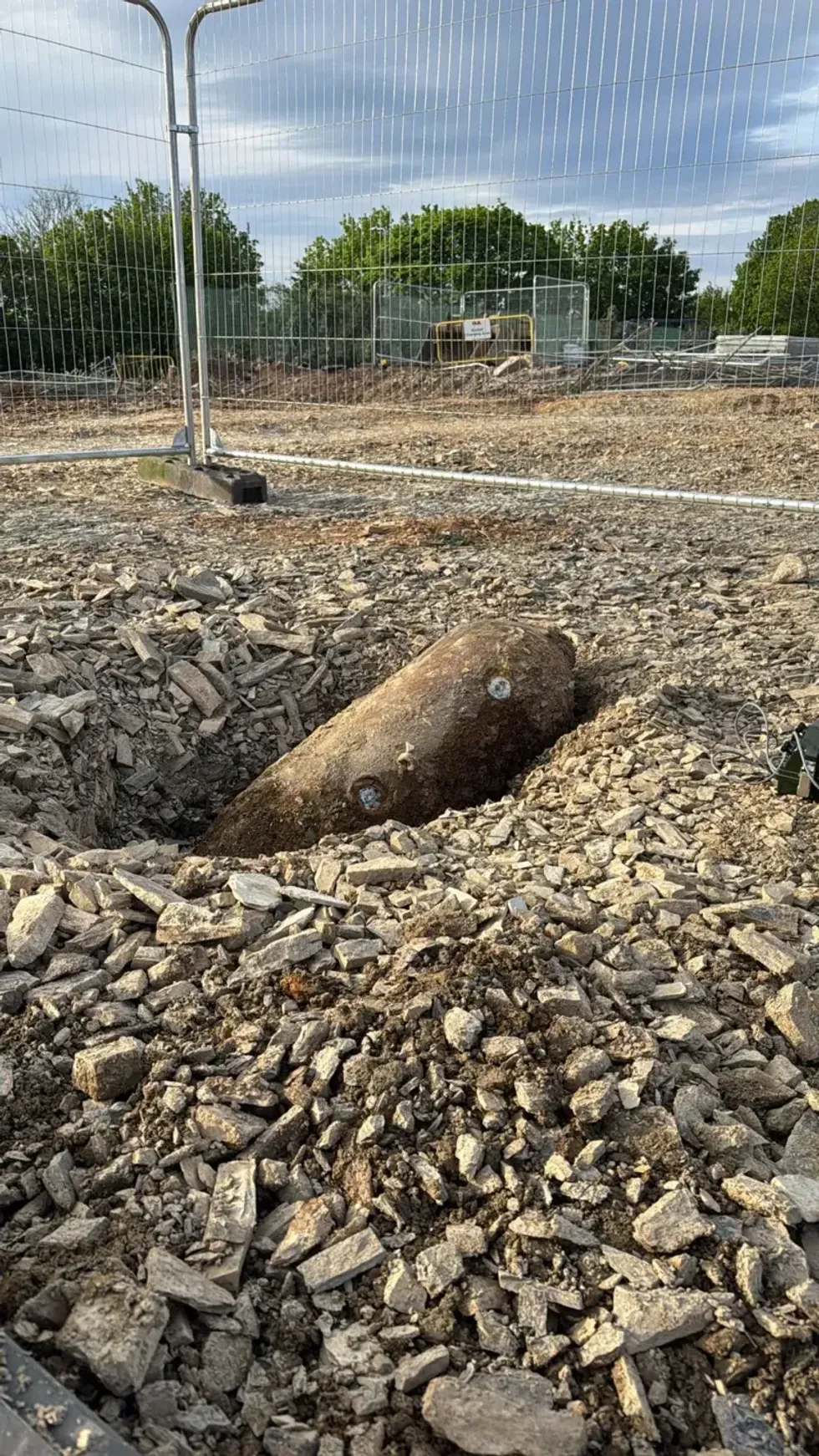
A World War Two bomb is set to be blown up in a controlled explosion tomorrow
|ROYAL NAVY
The local authority arranged hotel accommodation for those evacuated, and the Youth and Community Centre was also used as an evacuation centre.
The Royal Navy warned no one should re-enter the exclusion zone for any reason until the operation was complete.
Plans to extend the cordon were dismissed by the police.
Three schools in the area have confirmed they will remain closed for the rest of the week, including Oakwood Primary School, Little Acorns Pre-School and Beechwood Primary School.
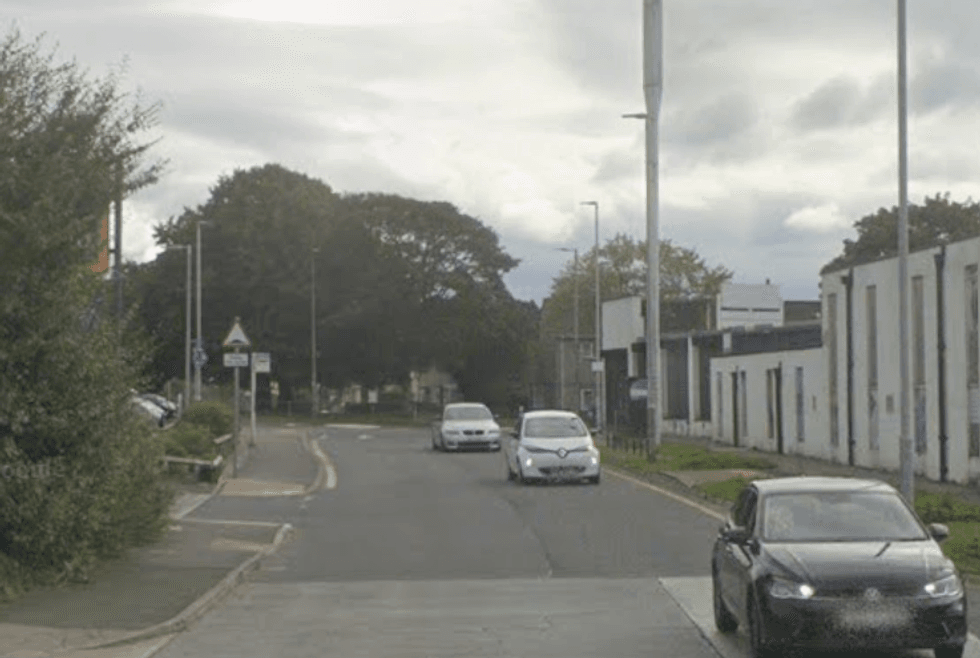
More than 1,200 homes have been evacuated
|LATEST DEVELOPMENTS
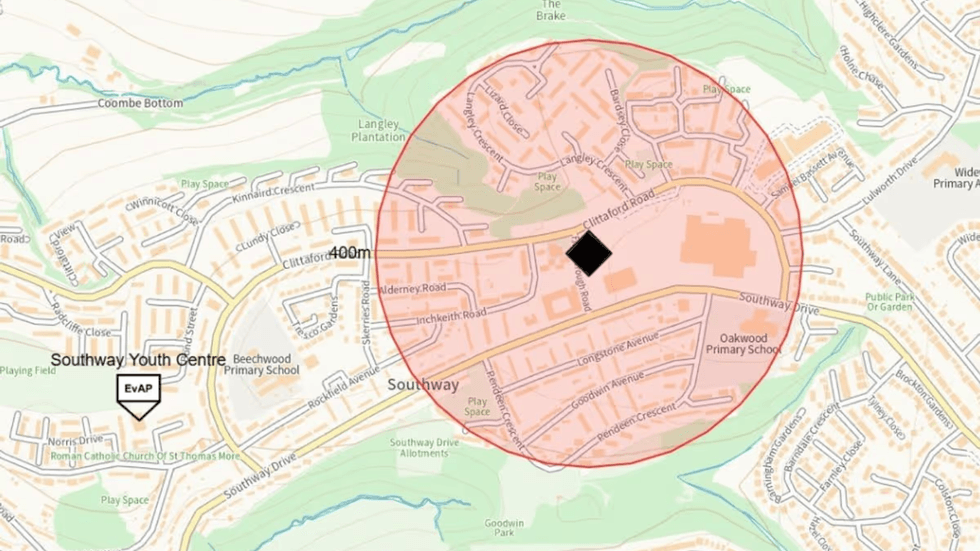 Authorities shared a map of the 'no-go' zone as residents are evacuated | PLYMOUTH CITY COUNCIL
Authorities shared a map of the 'no-go' zone, covering the suburban areas of Flamborough Road, Clittaford Road, Inchkeith Road and Southway Drive.
Patricia Lean, 69, told Plymouth Live she was being evacuated from her home and may have to be away for "anything from one to five days".
Police personnel using the facilities of the school during the ongoing operation to disarm the suspected bomb.
Speaking on the ongoing efforts to secure the area, a council spokesman said: "We would like to reassure the community that this is a precautionary measure, and there is no immediate risk to the wider public."
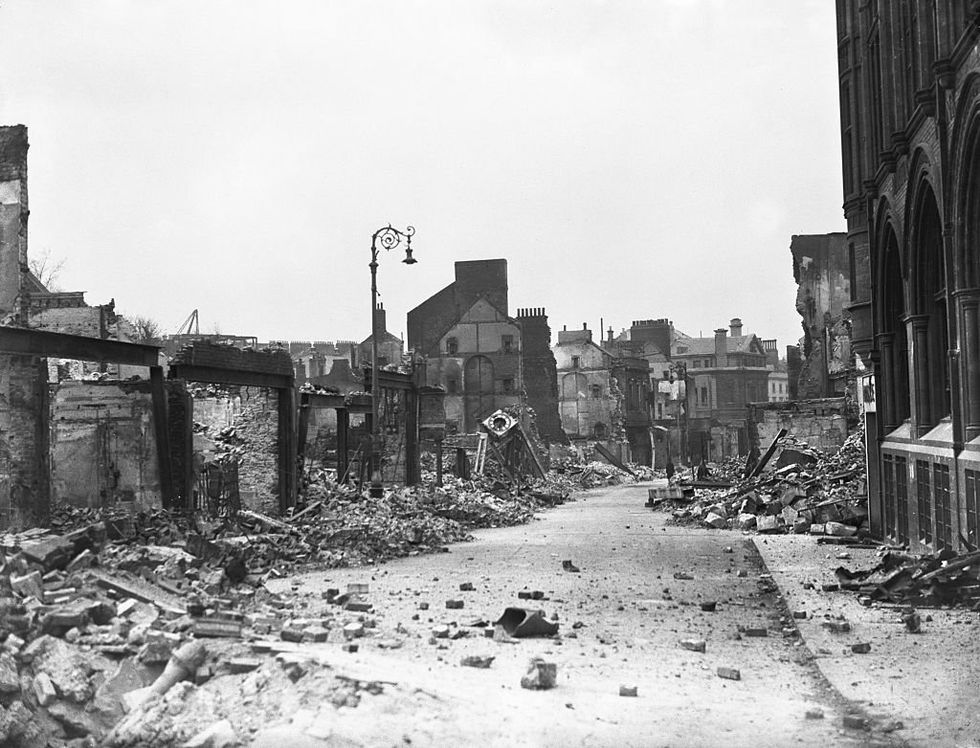
The city was a primary target for the Luftwaffe, targeting HMN B Devonport, the largest naval base in Western Europe
|GETTY
They added: "We are asking people to please avoid the area while this work continues.
"Residents who have been temporarily displaced as a result of the cordon can go to Southway youth centre, where council and Plymouth Community Homes staff are available to offer support, information and practical assistance.
"We are working closely with the police and partner agencies and will continue to provide updates as soon as further information is available."
The city was a primary target for the Luftwaffe, targeting HMN B Devonport, the largest naval base in Western Europe.
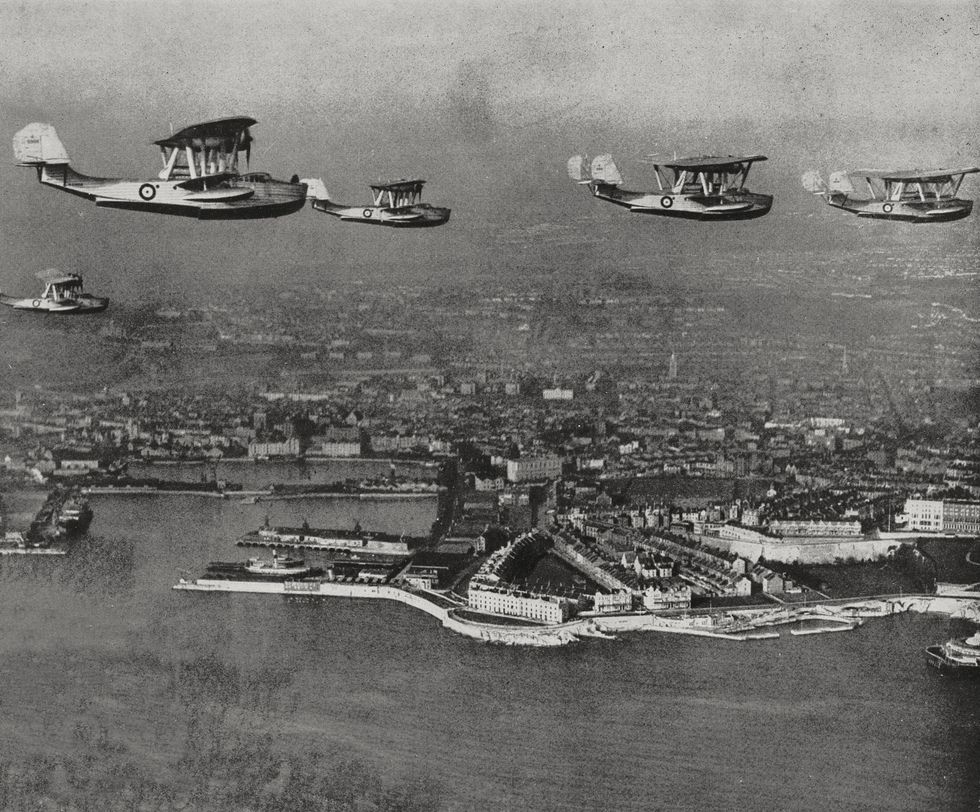
Between 1940 and 1944, the city suffered 59 bombing raids
|GETTY
Plymouth served as a critical hub for Allied shipping and repairs, making it a constant focus for enemy air raids.
Between 1940 and 1944, the city suffered 59 bombing raids.
In just one week in 1941, German planes dropped more than 6,000 high-explosive bombs and 200,000 incendiaries, creating a massive volume of potential unexploded ordnance.
Experts estimate that approximately 10 per cent of German munitions failed to detonate upon impact due to mechanical faults or soft landing surfaces.
Given the thousands of bombs dropped, there were likely hundreds of "dud" devices left buried beneath the city's streets.
Our Standards: The GB News Editorial Charter