





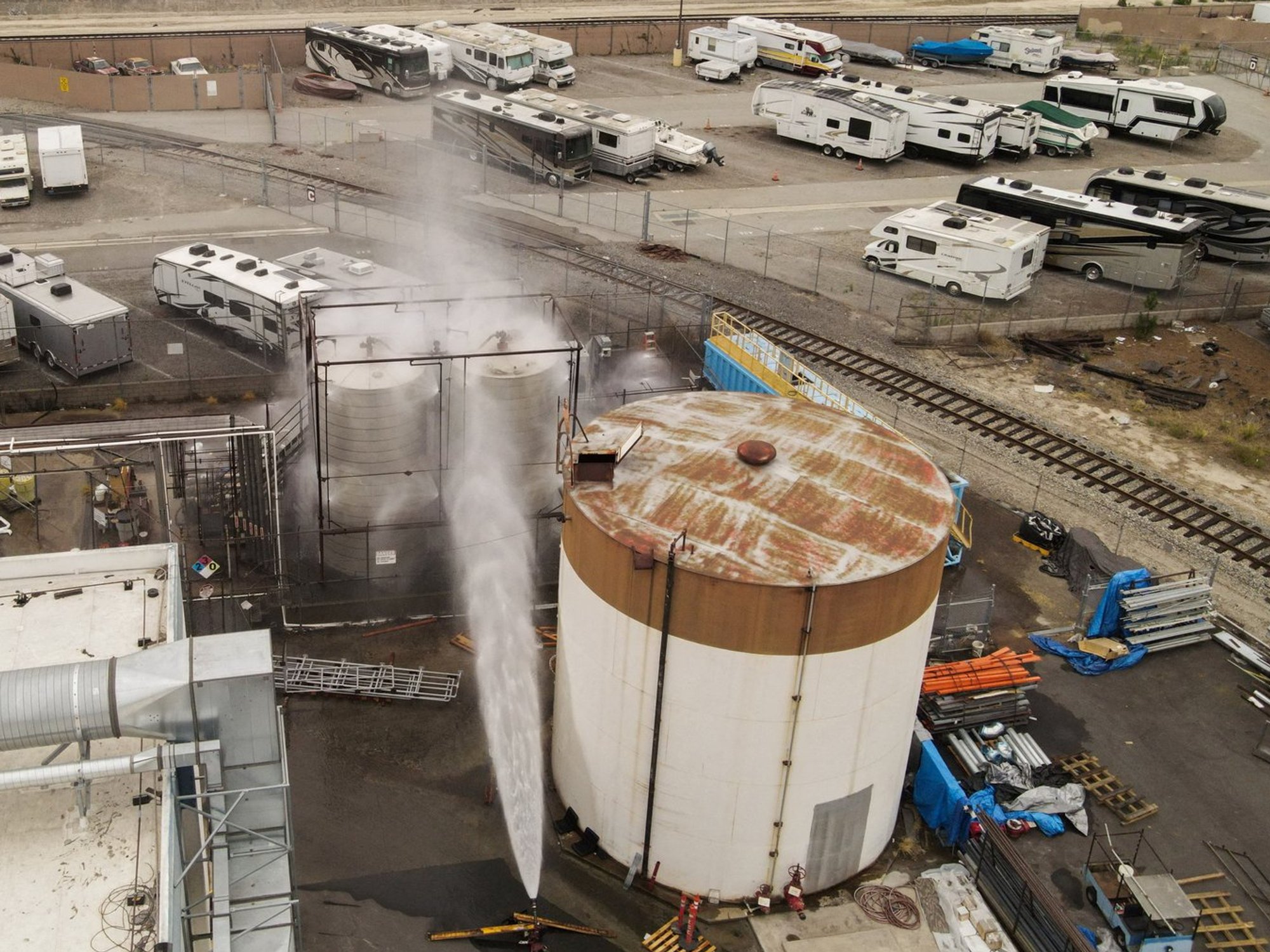





A couple in their 60s have been forced to live in a tiny garden shed for four years after plans to build their dream home have been blocked by a polluted river 12 miles away.
Jane Coyle, 64, and her husband Anthony, 67, have spent four years living in a cramped garden shed after their plans to build their dream home in the Herefordshire countryside were derailed by a planning ban linked to a polluted river more than 12 miles from their plot.
The retired couple purchased a plot in the village of Edwyn Ralph in 2018 for £120,000, with ambitions to build a £250,000 three-bedroom eco-home designed to complement the woodland landscape.
They submitted their plans to the local authority in 2020, being told the decision should take roughly eight weeks to be made.
TRENDING
Stories
Videos
Your Say
Instead, the application was caught up in the so-called Lugg Moratorium, a ban on new developments across a wide area of Herefordshire, which was introduced in 2019 to halt further phosphate pollution in the River Lugg.
The couple said they had no idea the moratorium existed and were never warned about it by the council before purchasing the land.
Mrs Coyle said the situation has left them feeling deeply let down, describing it as "people's lives they are playing with".
Having sold their sizeable, six-bedroom farmhouse in Ross-on-Wye to finance the project, the couple soon found themselves without a permanent home.
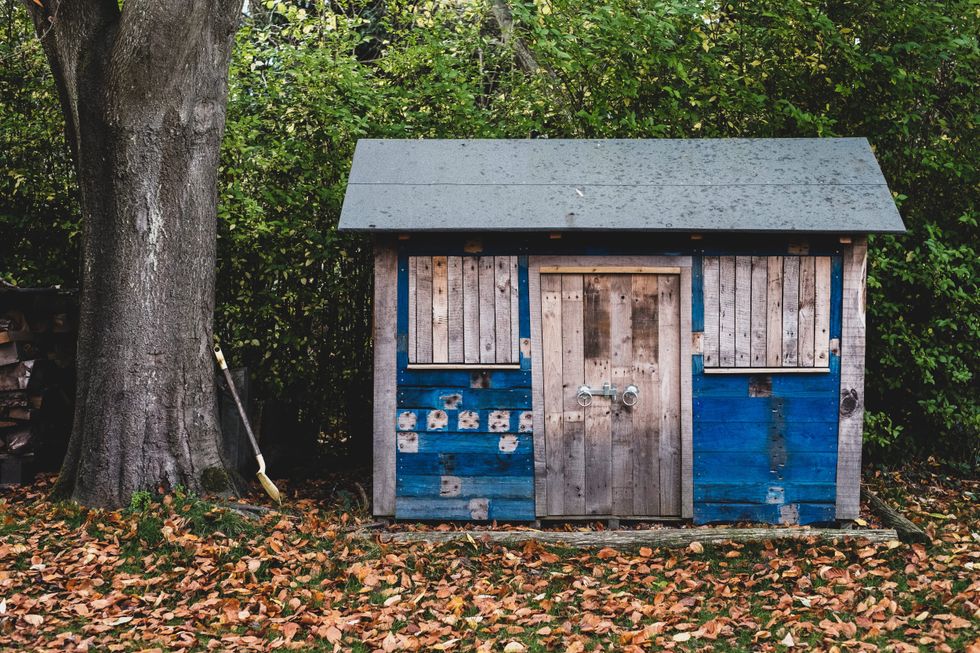
The retired couple have been living out of their garden shed for four years whilst waiting for their planning application to be approved (stock pic)
|GETTY
With little options available, they moved into a static caravan on site before relocating to their shed in 2022.
The shed, six by three metres, has since been fitted with a log burner, insulation, a shower and a rudimentary kitchen.
When the Coyle's children visit, they have to sleep in camper vans or teepees outside.
The couple haven't been able to put up a Christmas tree since the pandemic and have been forced to put the majority of their possessions in a storage unit.
LATEST DEVELOPMENTS
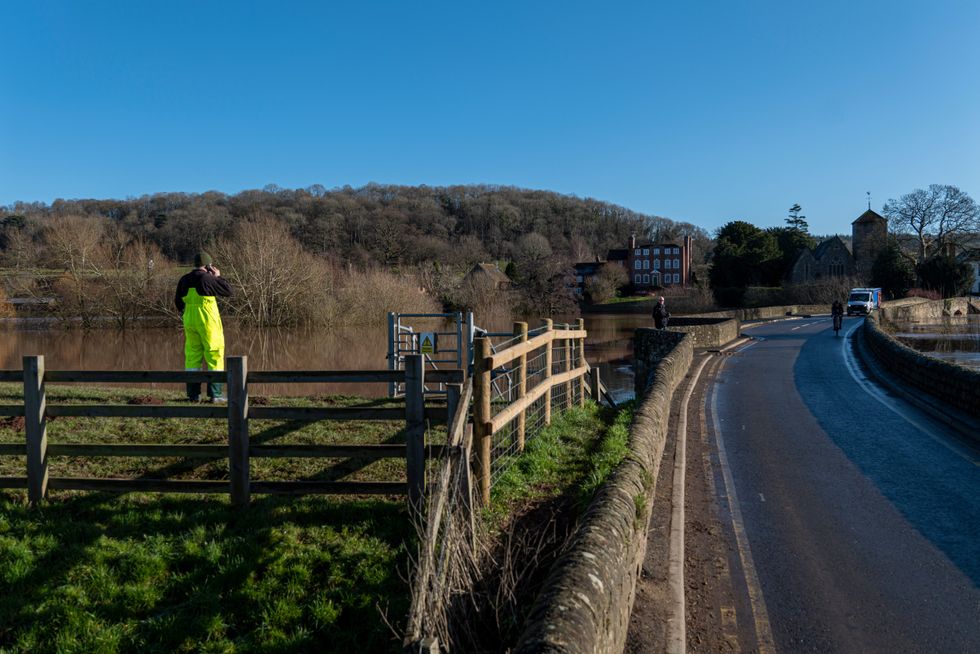
Pollution in the River Lugg has created the delay for the retired couple, with high levels of phosphate being found in its waters
|GETTY
Mrs Coyle said the injustice of the situation was further reinforced by the fact other properties less than a mile away have continued to receive planning permission throughout the same period.
She said: "The crazy thing is if we had been a couple of fields away, we would have been ok.
"Houses three-quarters of a mile up the road have been getting permission to build all this time."
Planning permission was finally granted last year, but only after the couple purchased several thousand pounds worth of so-called phosphate credits - a scheme designed to offset the environmental impact of new developments near the river.
A further £7,000 of those credits must still be paid off before building work can begin.
Mr Coyle is unfortunately encountering health issues, so is unable to carry out the construction work himself as originally planned.
The couple, therefore, have an estimated the building costs to be nearly half a million pounds - significantly more than their original budget.
Other costs have been incurred due to the delays, with the unfinished site requiring security attention, so the couple cannot be away for extended periods of time.
The Coyles are now among around 4,000 people who have joined the largest environmental lawsuit in British legal history, a High Court claim filed by law firm, Leigh Day, against poultry producer Avara Foods and water company Welsh Water.
The lawsuit alleges that pollution across the Rivers Lugg, Wye and Usk has severely damaged local businesses, property values and quality of life since 2019.
Chicken farms are said to account for 66 per cent of nutrient pollution in the waterways - compared to less than one per cent from new housing developments.
Oliver Holland, partner at Leigh Day, said the legal action represented "the culmination of an extraordinary effort by local community members and campaign groups", adding that with government and regulators having failed to prevent river degradation, "the court has become the last avenue for justice".
A Welsh Water spokesman said it had invested £70million in improvements along the Wye and £33million along the Usk in the past five years, and said it intended to defend the case "robustly".
An Avara Foods spokesman denied that any scientific evidence linked its operations to the condition of the rivers, saying individual farmers were responsible for how nutrients were used in their arable operations.
The Lugg Moratorium alone is estimated to have blocked the construction of around 2,000 homes across the affected area.
GB News have reached out to Herefordshire County Council for comment.