

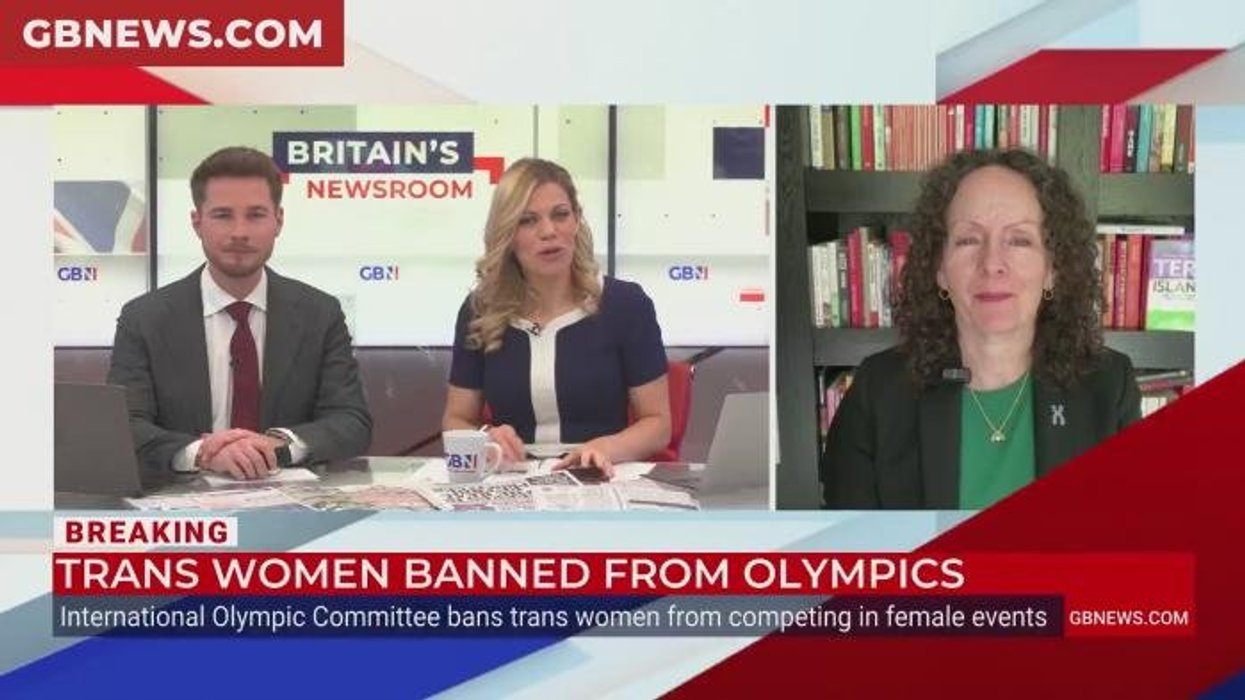








A women's rights campaigner has celebrated the decision by the International Olympic Committee to ban transgender athletes from competing in women's categories, declaring "the tide is turning".
Speaking to GB News, Fiona McAnena, Director of Campaigns at Sex Matters welcomed the ban, which was put in place shortly after Girlguiding U-turned on their decision over trans members.
The decision by the committee means only biologically female athletes will be eligible for both individual and team events at the Games or any IOC event.
Defending the decision, IOC President Kirsty Coventry said the policy is "based on science and has been led by medical experts".
TRENDING
Stories
Videos
Your Say
Delivering her verdict on the ban, Ms McAnena told GB News that it is "terrific news" and marks a "great day" for women.
She said: "A lot of women will be very relieved that they don't have to face unfairness in their category.
"It's been a long time coming, though, and all the damage that's been done in the meantime can't necessarily be undone.
"Not just women who missed a place in the Olympics or missed a podium place, but actually this policy, this approach from the Olympics, which they called inclusive, has cascaded all the way down through most sports at most levels, so there's still a lot of work to do."
Questioned on the significance of the decision alongside the decision by Girlguiding to remove transgender members by September, the Sex Matters director argued that the "tides are turning" thanks to the Supreme Court ruling.
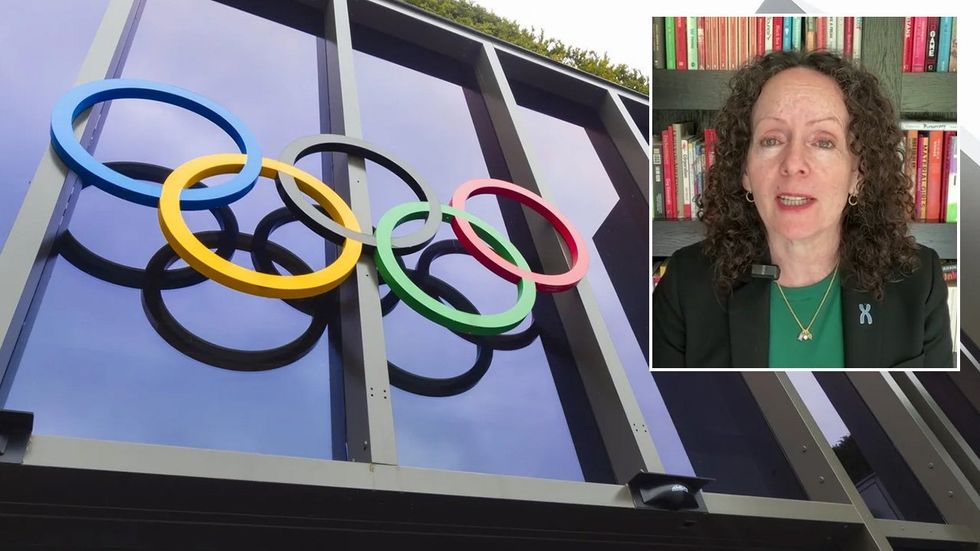
Fiona McAnena has welcomed the decision by the International Olympic Committee to ban transgender athletes from female categories
|GB NEWS
She said: "The for Women Scotland judgment last year at the Supreme Court gave us the legal basis to be able to say, look Girlguiding, if you want to be for girls, there's only one way to interpret that and that's female people.
"If you want to be mixed sex, you can do that, but then you're not Girlguiding anymore, and they finally caved to that. It's shocking that it's taken them 18 months actually to get into line."
Arguing that women are now "pushing back" against the men with the backing of a legal ruling, Ms McAnena continued: "And people still seem more worried about the little boys who identify as girls than they are about all the girls who thought they were coming to a girls club, or a girls camping trip, or a girls activity and find that there's a boy there.
"What this all seems to be is that people find it very hard to say no to men when they want something.
"And so men and boys have been given permission to do all this girl stuff and all this women's stuff, and now when women are pushing back, we're finding a lot of resistance. But, yes, the law is on our side, and that will help."
LATEST DEVELOPMENTS
 The decision means only biologically female athletes will be eligible for both individual and team events at the Games or any IOC event | GETTY
Questioned by host Miriam Cates on the implementation of a "once in a lifetime gene test" that will determine which events athletes can compete in, Ms McAnena stressed that it is "what women athletes have always wanted".
She explained: "It's very simple, a once in a lifetime cheek swab. It's nowhere near as intrusive as anti-doping testing.
"It's what women athletes always wanted, and it used to exist, and it's great that it's coming back."
The ruling means that the Olympic women's sport eligibility criteria will be in line with US President Donald Trump's executive order ahead of the next games in Los Angeles in 2028.
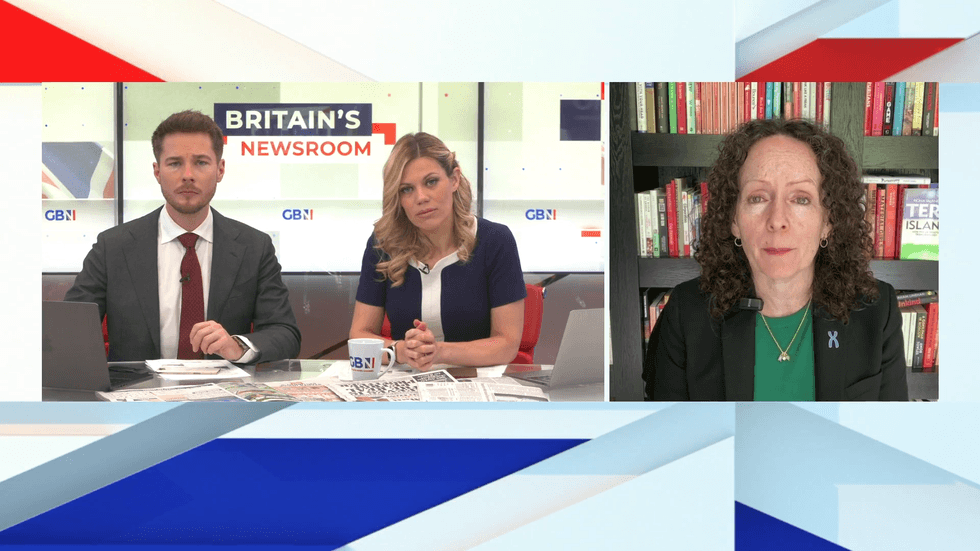
Ms McAnena told GB News that the gene test is what 'women athletes have always wanted'
|GB NEWS
IOC president Kirsty Coventry has repeatedly affirmed her desire to "protect the female category".
The committee said that its own research indicates that being born male has "physical advantages" that are retained.
The document said: "Males experience three significant testosterone peaks: in utero, in mini-puberty of infancy and beginning in adolescent puberty through adulthood."
It added that this gives males "individual sex-based performance advantages in sports and events that rely on strength, power and/or endurance."