









The world should brace for hikes in food prices with oil stockpiles “declining rapidly”, the head of the International Energy Agency says.
Fatih Birol warned stored supplies of oil were falling, with inflation a possible outcome.
Speaking at the G7 meeting of finance ministers in Paris, Mr Birol said there were still “several weeks” left in the stockpiles.
But these were shrinking rapidly as a result of the Iran War and the blocking of the Strait of Hormuz.
Mr Birol said: “It will be several weeks, but we should be aware of the fact that it is declining rapidly. This could have major implications for food prices and together with the higher energy prices they might give a big push to inflation numbers."
In March, the IEA ordered 400 million barrels of oil to be released from its emergency reserves – the largest in its history.
The release had added 2.5 million barrels of oil per day to the market, but Mr Birol stressed these reserves were not limitless.
Efforts to end the war continue and Iran said it had responded to a new US proposal.
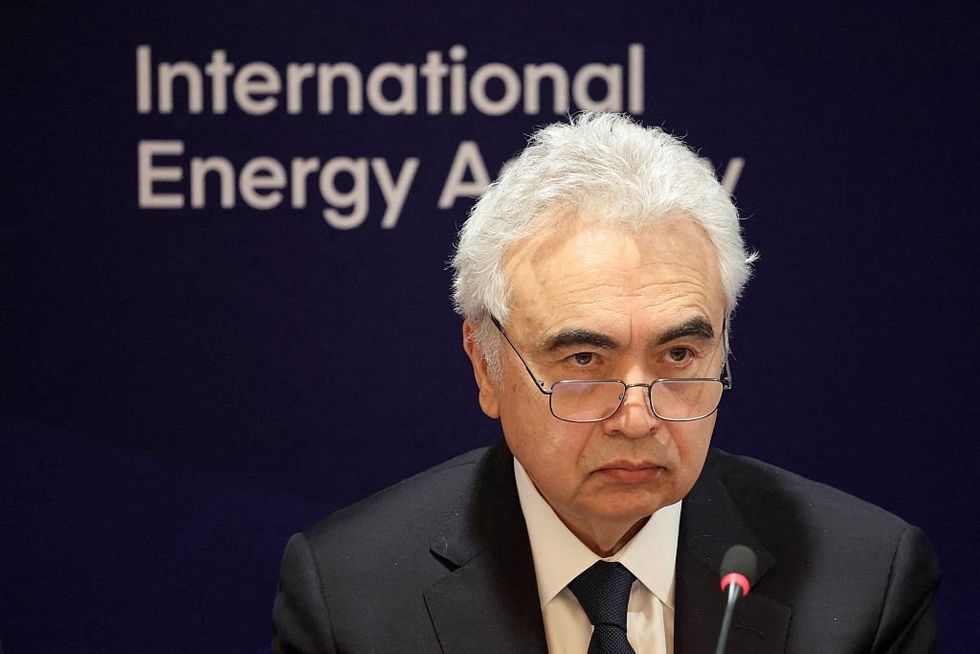
Fatih Birol warned stored supplies of oil were falling
|GETTY
It added diplomatic exchanges were continuing despite Iranian media reports describing Washington’s demands as excessive.
Washington and Tehran have been swapping proposals in an effort to end the conflict, which the US and Israel launched on February 28, but they have held only a single round of talks despite a fragile ceasefire.
“As we announced yesterday, our concerns were conveyed to the American side,” foreign ministry spokesman Esmaeil Baqaei told a news briefing, adding exchanges were “continuing through the Pakistani mediator”.
Mr Baqaei defended Iran’s demands, including the release of Iranian assets frozen abroad and the lifting of long-standing sanctions.
LATEST DEVELOPMENTS
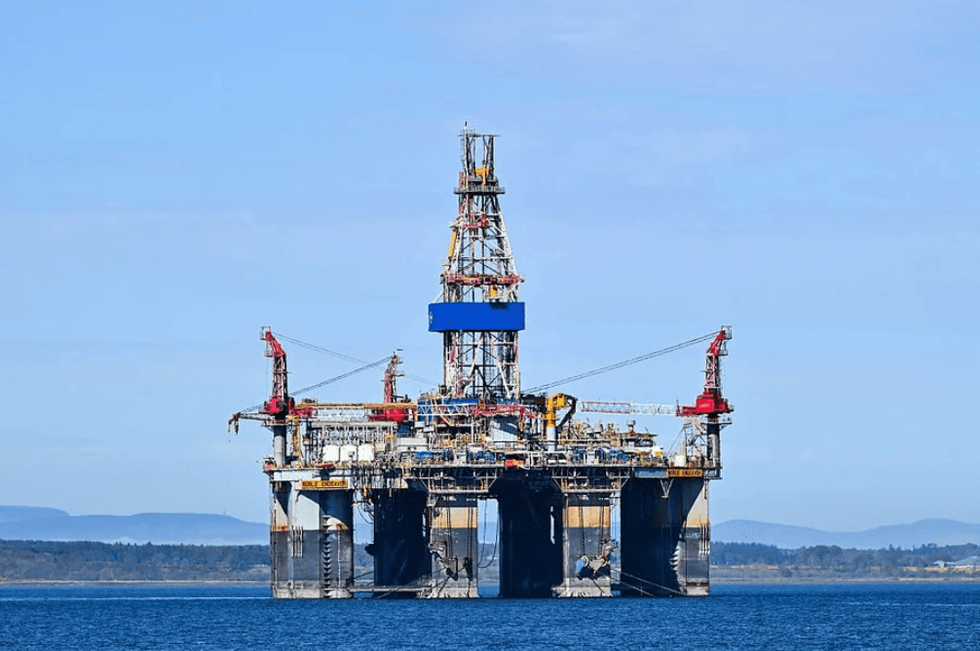
Oil is shrinking rapidly as a result of the Iran war
| GETTY“The points raised are Iranian demands that have been firmly defended by the Iranian negotiating team in every round of negotiations,” he said.
The news comes as the International Monetary Fund (IMF) predicted growth in the UK economy will be stronger this year than previously thought.
But it warned the Iran war continues to dampen the outlook, with the cost of living set to rise and borrowing costs kept on ice.
The IMF updated its growth projections a month after warning of a sharp slowdown caused by the global energy shock.
The influential financial body said it was now predicting UK gross domestic product (GDP) to rise by 1 per cent in 2026.
This is higher than the 0.8 per cent growth it was forecasting last month.
However, the forecast remains lower than it was before the US-Israeli conflict with Iran, which has contributed to the IMF downgrading its expectations for the UK.
As recently as January, it had predicted 1.3 per cent growth in 2026 and 1.5 per cent in 2027.
Responding to the latest report, Chancellor Rachel Reeves said: “The IMF upgrading its growth forecasts and backing our fiscal strategy is yet more proof that this Government has the right economic plan.
"The choices I have made as Chancellor mean our economy is in a stronger position as we deal with the costs of the war in Iran.
“Putting our stability at risk when signs of progress are emerging would leave families and businesses worse off.
“Instead, this Government is getting on with the job of building an economy that is stronger, more resilient, and prepared for the future.”
Our Standards: The GB News Editorial Charter