

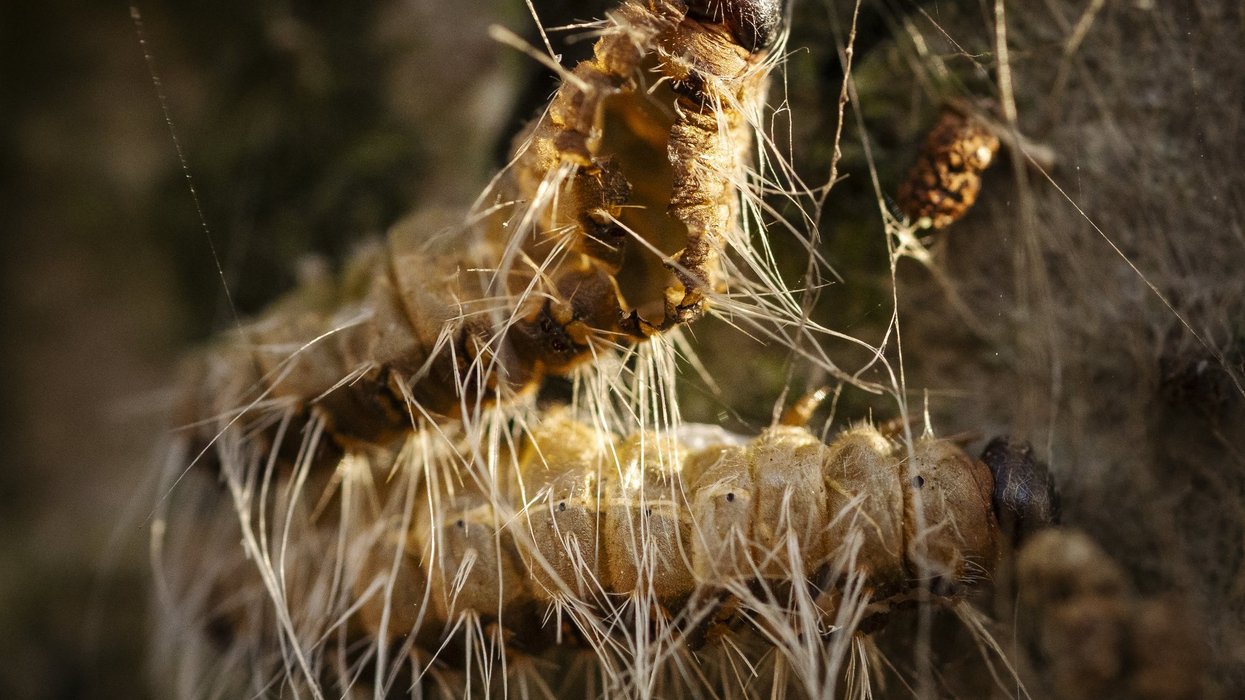









Britons are being urged to "stay vigilant" after a wave of sightings of toxic oak processionary moth caterpillars across parts of southern England.
The hazardous insects, which can pose risks to both humans and pets, have recently been spotted in Surrey, including Woking, Weston Green and Ditton Common.
Local authorities have warned residents to avoid the hairy caterpillars and stay away from affected oak trees and nearby green spaces.
The pest, which is rarely found in Britain, typically emerges during late spring and early summer, with councils often deploying insecticide treatments to tackle outbreaks.
TRENDING
Stories
Videos
Your Say
The latest sightings come after a significant outbreak across south east England in 2023.
Contact with the caterpillars can cause skin rashes, eye irritation, sore throats and breathing difficulties.
The danger comes from thousands of tiny hairs covering the insects, which can become airborne and spread through the wind.
These hairs contain thaumetopoein - a toxin that becomes more potent as the caterpillars mature.
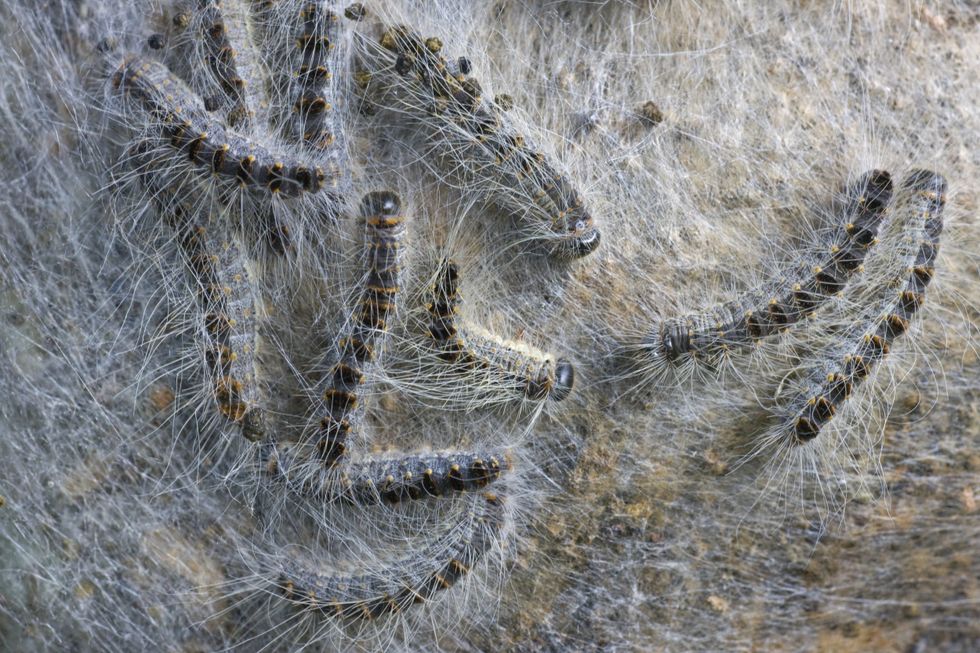
Local authorities have warned residents to avoid the hairy caterpillars and stay away from affected oak trees
|GETTY
Older caterpillars are considered particularly hazardous.
The insects also construct distinctive white silk nests that contain the irritating hairs and can trigger itchy skin and throat problems.
Elmbridge Borough Council said multiple nests had been discovered locally and warned residents to avoid several parks and green spaces while treatment takes place.
A council spokesman said: "For your own safety, we ask that you avoid the affected areas while spraying is taking place.
ANIMALS - READ THE LATEST:
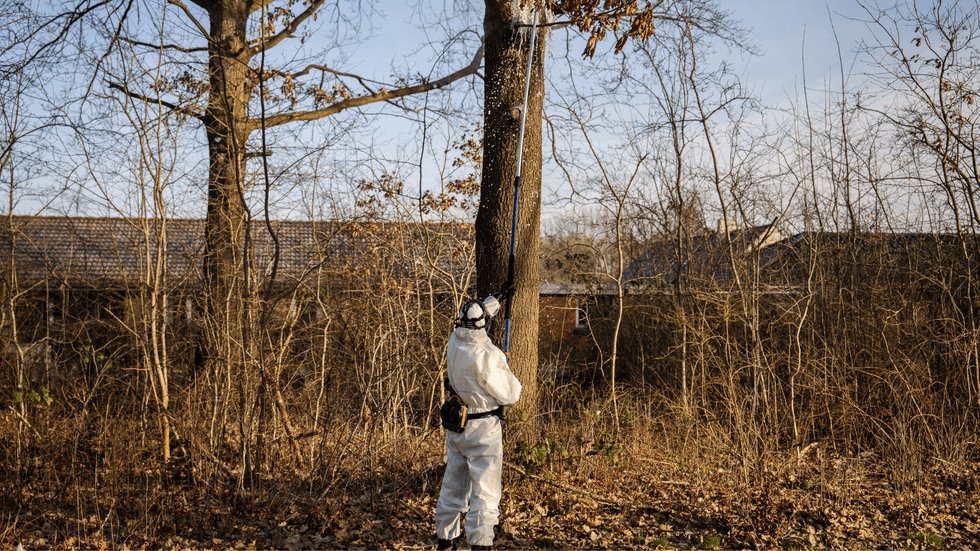
Local authorities often deploy insecticide treatments to tackle outbreaks
|GETTY
We will do our best to keep disruption to a minimum and will clearly signpost all spraying areas in advance."
The caterpillars were also found in Woking this week, raising concerns the infestation could spread further across the region.
Woking Borough Council has urged residents to report sightings and avoid touching the insects.
The species is believed to have first arrived in Britain more than 20 years ago through imported oak trees from southern Europe.
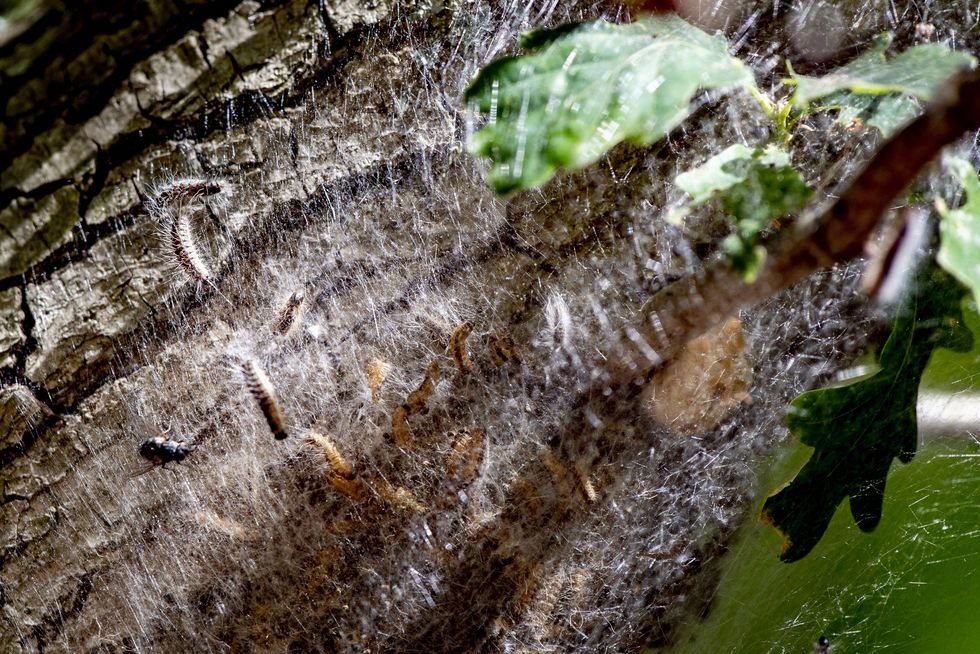
The species is believed to have first arrived in Britain more than 20 years ago
|GETTY
Andrew Hoppit, oak processionary moth project manager at the Forestry Commission, warned during the previous outbreak: "Please do not approach the caterpillars especially children who can become rather interested in the processions and especially the hairy nature of them.
"They look cute but unfortunately they can cause nasty rashes and conjunctivitis."
The Government’s chief plant health officer, Nicola Spence, has previously said officials are continuing efforts to limit the spread of the pest.
She said last year: "The oak processionary moth is an insect pest of oak trees and poses a threat to both plant and human health."
Ms Spence added that authorities take "the management of the moth very seriously and has a robust programme in place to reduce the level of pest prevalence and protect oak resource, whilst supporting landowners to manage the risks associated with the moth in the areas where it has been identified".
Our Standards: The GB News Editorial Charter