









A British woman who fell victim to fraudsters posing as major bank employees has recounted her extraordinary journey across hundreds of miles to track down the scammer she believed stole her savings.
Rhonda Montgomery, of Country Tyrone, Northern Ireland, lost £17,000 after criminals contacted her claiming to represent the digital bank Revolut, leaving her feeling both humiliated and furious.
Determined to recover her money after feeling left in the lurch, she made the decision to fly to England and confront the individual linked to the fraudulent account.
"I worked hard for it, and nobody is helping me," she told the BBC. "My thought was I'm just going to have to go after the money and take the chance to see how I get on."
TRENDING
Stories
Videos
Your Say
The fraud began while Ms Montgomery was travelling in Germany for work, when she received a telephone call from someone claiming to be from Revolut's team.
The caller warned her about suspicious transactions leaving her account and appeared to have access to her personal information.
"They knew I was with Revolut. They had my details, they knew my name, they were fit to tell me the payments that went out of my account," she said.
"I sort of felt that nobody could know that information, only it was Revolut themselves."

The fraudsters targeting Ms Montgomery posed as Revolut digital bank
| GETTYBelieving the matter had been resolved, she returned home, only to discover a week later that she could not afford a coffee, checking her banking app to see more than £8,000 had been withdrawn overnight.
When she contacted Revolut through their online chat system, she was informed of a two-hour wait, during which the scammers struck again.
The second call came while she remained in the chat queue, with the criminals able to recite her date of birth and the exact payments she had queried moments earlier.
Intending to move her funds to another personal account for safety, Ms Montgomery was persuaded otherwise by the scammers who had sunk their teeth in.
LATEST DEVELOPMENTS
The fraudsters talked her into using a temporary account to "avoid her phone being compromised" and watched as the caller appeared to create the account on her computer screen in real time.
When she questioned why the account bore someone else's name rather than her own, she was told this person was an "account manager" handling her case for Revolut.
Convinced by this explanation, she transferred her money, which she never saw again.
Armed with the address she had noted during the fraudulent call, Ms Montgomery flew to England without telling anyone her plans.
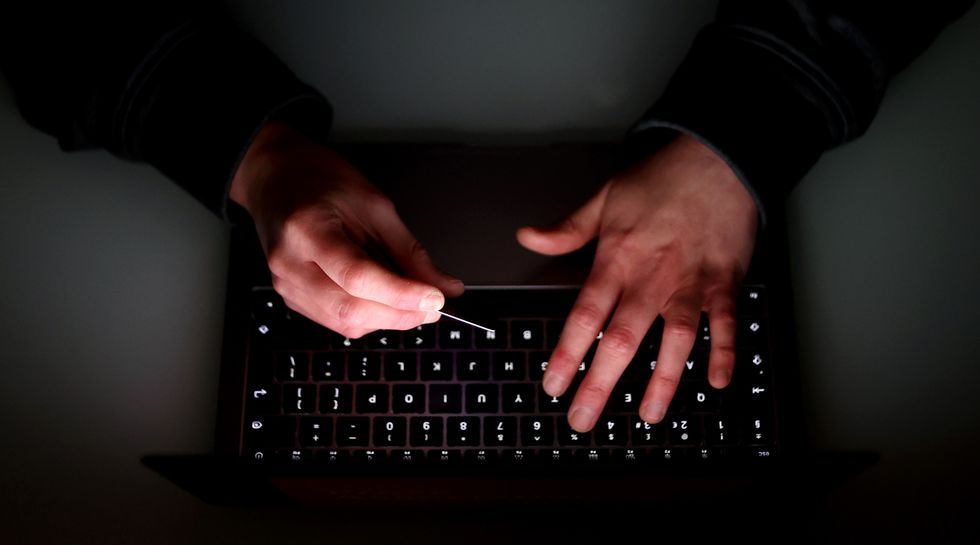
Impersonation scams are a common form of fraud where criminals pose as representatives from banks or financial institutions
| PAShe drove to the Cambridge property connected to the account and knocked on the door, recording the encounter on her phone.
The man whose name appeared on the account was absent, but his mother answered and claimed he was estranged from the family and no longer lived there.
Ms Montgomery told the woman she was facing financial ruin and had "almost had a nervous breakdown" as a result of the scam.
Revolut agreed to reimburse the £9,000 transferred directly to the criminals, in addition to approximately £4,000 in fraudulent card payments Montgomery had already recovered.
The company expressed regret over her experience, warning that "fraudsters are using increasingly sophisticated social engineering tactics to deceive customers".
Ms Montgomery had become a victim of what experts call an impersonation scam, a common form of fraud where criminals pose as representatives from banks or financial institutions.
With this type of attack, personal details often become available to criminals following data breaches at legitimate companies, where consumers have made online purchases.
The scale of the problem is substantial, with UK Finance's Annual Fraud Report recording more than 34,000 impersonation scams across Britain in 2023, resulting in losses approaching £148million.
More From GB News