











Britain risks stumbling into a dangerous electricity crisis that could hit hospitals, transport networks, communications and food supplies - not just household bills - a stark new report warns.
The study, to be unveiled by the Shadow Energy Secretary Claire Coutinho MP on Monday, January 12, - says Britain's power system may fail within years if current net zero plans continue unchecked.
The analysis - Electrification: can the grid cope? - warns prolonged power shortages or blackouts could disrupt healthcare, rail and road transport, mobile networks and supermarket supply chains, particularly during winter demand peaks, if electrification is pushed faster than the grid can safely manage.
The study says that Britain’s push to electrify heating and transport is falling behind reality, with heat pumps and electric cars missing targets and the grid under strain.
At the same time, old gas and nuclear stations are closing faster than replacements arrive, weakening the system’s safety buffer.
The report, to be launched at the Institute of Directors, central London, says that AI data centres will put even more strain on an already stretched power grid.
“Without urgent action to secure dispatchable generation and stabilise the gas network, the UK faces escalating risks of supply shortfalls and widespread system failures well before 2030,” the report warns.
Ms Porter says government plans rely on over-optimistic assumptions about how fast infrastructure can be built and how much renewable power the system can handle.
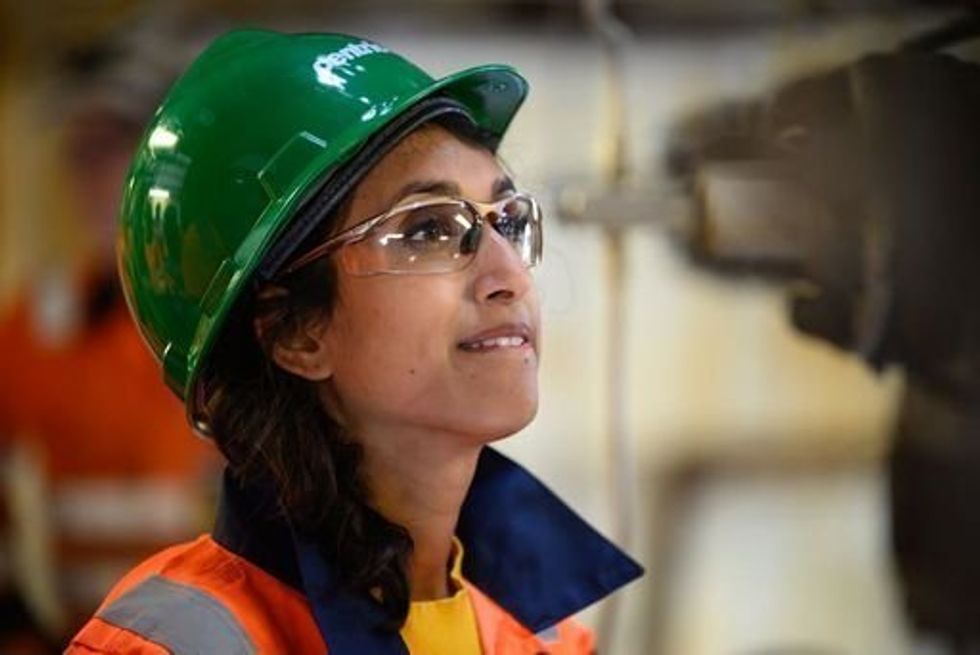
The study is set to be unveiled by the Shadow Energy Secretary Claire Coutinho MP on Monday
|PA
She says even meeting current electricity demand is becoming more difficult during periods of low wind output - and that adding millions of heat pumps and electric vehicles could push the system beyond safe limits.
“It will be difficult to meet existing demand without rationing, let alone any additional demand from electrification,” the report states.
Central to the warning is the lack of power that can be relied on during calm, dark winter days.
While ministers have placed heavy emphasis on renewables, storage and interconnectors, the report concludes these will not be sufficient on their own within the timescales promised.
LATEST DEVELOPMENTS

Ms Porter says government plans rely on over-optimistic assumptions about how fast infrastructure can be built and how much renewable power the system can handle
|PA
The report warns that blackouts could hit emergency services, hospitals, transport and food supplies - especially during winter.
It calls on ministers to secure enough reliable power and be realistic about 2030 targets.
It points to Germany, which despite backing renewables has accepted the need for new gas-fired power to keep the lights on.
“Without such a plan, electrification ambitions risk remaining theoretical while exposing the electricity system - and the public - to unacceptable levels of risk,” the report says.
The new warnings about the system’s ability to cope are also coming from industry itself.
Hitachi, the world’s leading producer of high-voltage transformers, has warned shortages of critical electrical equipment could derail Britain’s clean-electricity ambitions.
Laura Fleming, Hitachi’s UK managing director, said earlier this month: “In the UK and Europe, we’ve had 30–40 years of growing these [electrical] systems only on an as-needed basis… but we are now in a very different place.”
She said ageing infrastructure combined with the push to expand the grid for renewables, nuclear and electrification is “creating pressure on the system.”
The new study says that much of Britain’s high-voltage infrastructure was installed decades ago and is already showing signs of strain.
It argues grid expansion is being hampered by extended delays, soaring equipment costs and fierce competition for transformers and cables across Europe.
Ms Porter warns these constraints mean net zero targets are increasingly disconnected from physical reality - with consumers ultimately bearing the cost through higher bills and increased chances of power cuts.
She also highlights the fact that UK electricity prices are already among the highest in the developed world, driven not primarily by gas prices but by policy costs layered onto bills.
While ministers insist that net zero will strengthen energy security, the report argues that pushing ahead without sufficient firm capacity risks doing the opposite.
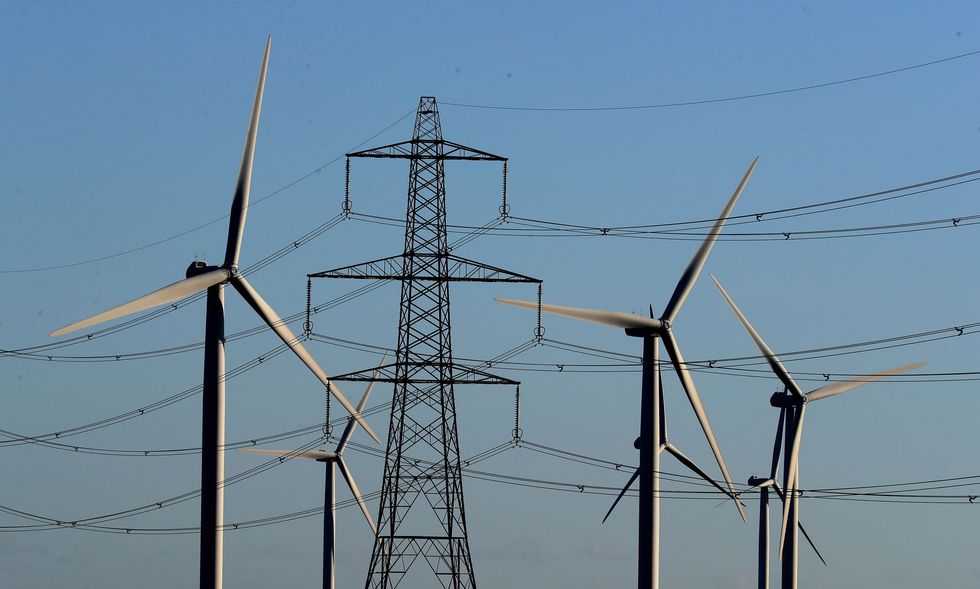
While ministers insist that net zero will strengthen energy security, the report argues that pushing ahead without sufficient firm capacity risks doing the opposite
|PA
“Net zero promises should not be prioritised over public safety,” Ms Porter said.
To prevent shortages, the report concludes that new investment in gas-fired power generation is essential, even if that capacity is not immediately fitted with carbon capture.
She added: “To ensure the electricity system remains secure, new investment in gas generation is essential, even if it is unabated."
Energy Secretary Ed Miliband has said he aims to decarbonise the entire grid by 2030, along with significant increase in power generation by 2050 using renewable energy sources including solar and wind.
He has defended the Government’s clean-power plans, saying they will reduce exposure to volatile fossil-fuel markets.
A spokesman for the Department of Energy Security and Net Zero said: ”This is nonsense scaremongering. Gas will continue to play a key role in our energy system as we transition to clean, more secure, homegrown energy.
“The National Energy System Operator has also been clear the faster we decarbonise, the more secure we are.
“That’s why we are also delivering the biggest upgrade to Great Britain’s electricity network in decades to deliver clean power by 2030 and beyond.”