










As energy bills continue to weigh heavily on household finances, the idea of homes with no running energy costs at all has begun to shift from futuristic concept to lived reality for a growing number of Britons.
Rising prices, volatile tariffs and uncertainty over long-term energy costs have pushed many homeowners to look for alternatives that offer both stability and savings.
Developments combining solar panels, battery storage and heat pumps are increasingly being promoted as a solution, promising not just lower bills but, in some cases, the complete elimination of them.
Energy firms and housebuilders argue that advances in technology, alongside smart grid management, are making “zero-bills” homes commercially viable for the first time.
Against this backdrop, early adopters across the UK are already living without monthly energy charges, offering a glimpse of what ministers hope could become the norm under planned government-backed investment. For some homeowners, the financial transformation has been dramatic.
Mark Puddicomb hasn't paid a single penny towards his household energy since relocating to one of Britain's pioneering zero-bills housing developments two years ago.
The 51-year-old building surveyor purchased his £599,000 four-bedroom home on the Nexa Fields estate in Exeter back in November 2023, drawn primarily by the property's modern design and efficiency.
"It's great to have no pressure or worry about energy bills, which can be very high and variable," Mr Puddicomb told The i Paper.
His previous residence, a detached Edwardian house built in 1905 with single-glazed windows, had cost him between £200 and £250 monthly for gas and electricity.
The new property runs entirely on renewable electricity, featuring rooftop solar panels, a garage-based battery system, and a heat pump installed in the rear patio area. Advanced heat recovery ventilation captures warmth from outgoing air while drawing in fresh air.
"Everything works well and every month, I get an email from Octopus saying, your balance is nil and your amount today is nil, which is great," he added.
Emily Pomroy-Smith faced similar hesitations before making her own green energy investment. The 38-year-old entrepreneur, who operates a hair accessories business from her Trowbridge home in Wiltshire, initially worried about the upfront expense and how long it would take to recoup the outlay.
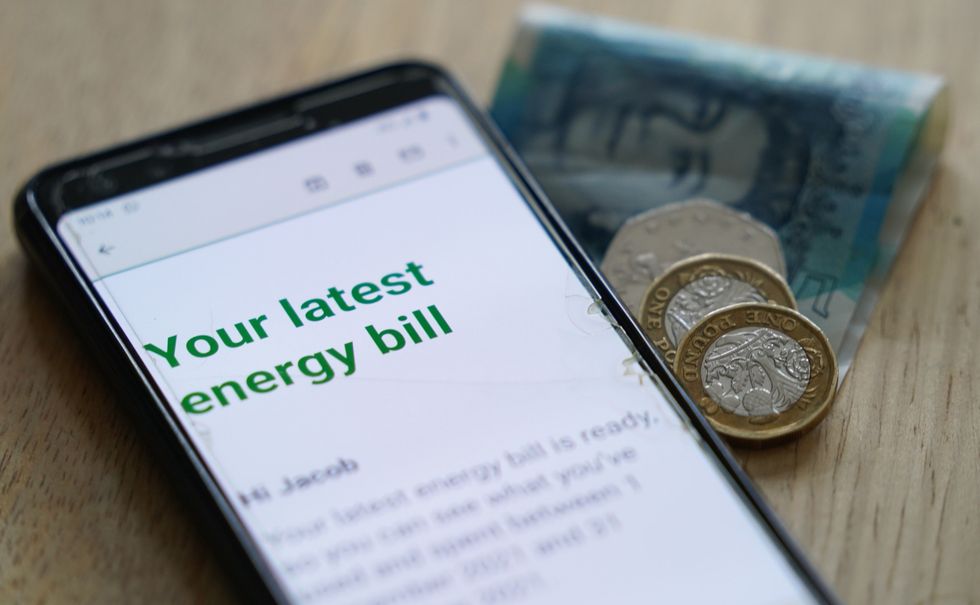
The new property runs entirely on renewable electricity
| PA"Like many people we had looked at them previously and were worried about the cost and the payoff time. It was one of those things that would've been nice to have but there were other priorities. Not everyone has £10,000 sitting there waiting to be spent," she said.
Last December, Ms Pomroy-Smith and her husband Alistair added £8,500 to their mortgage to install 20 solar panels on their outbuilding.
The impact has been striking. Monthly energy bills that once climbed as high as £290 have fallen to around £500 a year. While she still pays roughly £600 annually for gas in the absence of a heat pump, income from selling excess electricity back to the grid almost entirely cancels out that cost.
Their experience reflects the kind of household transformation the Government is now seeking to scale up nationally.
Energy Secretary Ed Miliband is expected to unveil proposals next month for a £13 billion 'warm homes fund', aimed at creating zero-bill properties through grants for solar panels, heat pumps and battery storage.
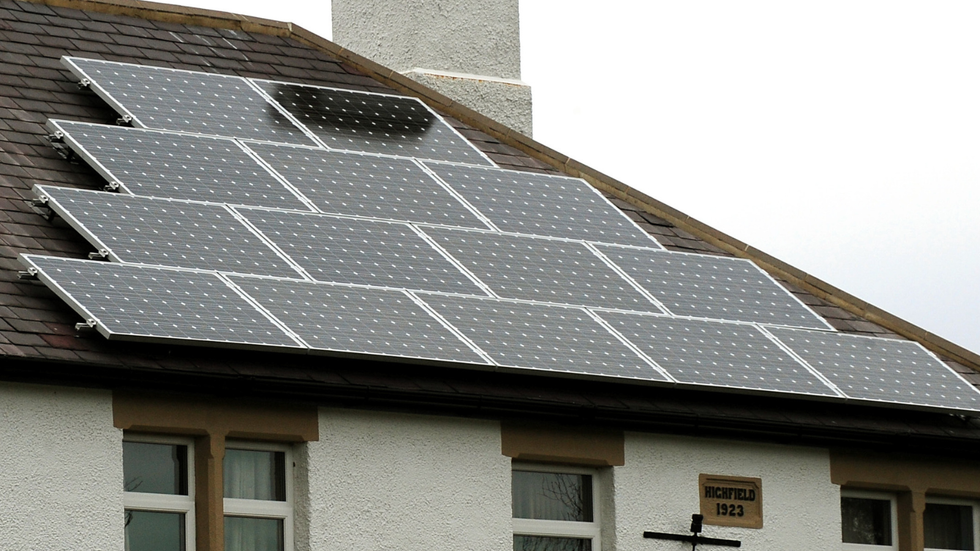
The Government is expected to unveil £13billion 'warm homes fund', aimed at creating zero-bill properties through grants for solar panels and heat pumps
| PAThe scheme is intended to support Labour’s manifesto pledge to cut average household bills by £300 before the next general election, a goal that both homeowners say is achievable if upfront costs are brought down.
Mr Puddicomb welcomed the strategy: "I can see no negatives in having that set up. If they can build houses this way for the future, it's a great idea."
Ms Pomroy-Smith, who also campaigns for disability rights, believes removing financial barriers is essential. "Cost is always the barrier, so anything that can be done to bring those down for the consumer is the best thing," she said.
"Pushing net zero as a cost-saving exercise is a really practical and sensible thing to do as it'll help people massively."
Octopus Energy has already pioneered this approach with its Zero Bills tariff, which launched in 2022 as a world first. The scheme guarantees customers living in homes equipped with green technology will face no energy bills for a minimum of five to ten years.

A typical household on the tariff could save approximately £1,755 annually
| GETTYThe company's Kraken technology platform manages the automatic import and export of energy to the grid, making the arrangement commercially viable through revenue generated from selling excess solar power during peak periods.
At current Ofgem price cap rates between October and December 2025, a typical household on the tariff could save approximately £1,755 annually.
Octopus has already granted Zero Bills eligibility to more than 5,000 properties through partnerships with developers, spanning private sales, affordable housing and rental properties.
The energy supplier has set a target of delivering 100,000 zero-bills homes by 2030, with regional housebuilders including Thakeham, Verto and gs8 committing their entire future developments to the scheme.
More From GB News