











Migrant workers in Britain's care homes are being taught what toast is and how to recognise a knife.
The material, which is taxpayer-funded, has been created for foreign workers and left campaigners questioning what the point is in hiring those who need such basic training.
Foreign workers are said to face "challenges, especially when it comes to everyday tasks like cooking", according to Staffordshire County Council, which produced the material.
West Midlands Social Care international recruitment hub shared the material on their website.
TRENDING
Stories
Videos
Your Say
The guide describes to foreign care workers how to use basic kitchen equipment, such as a knife, which is "essential for chopping", instructing users to "hold the handle firmly and use a rocking motion" to cut food.
It warns, however, to "keep your fingers away from the blade".
Other items, such as a chopping board, whisk and mixing bowl are explained.
Readers are told how to use tongs: "Squeeze the handles to open and close".
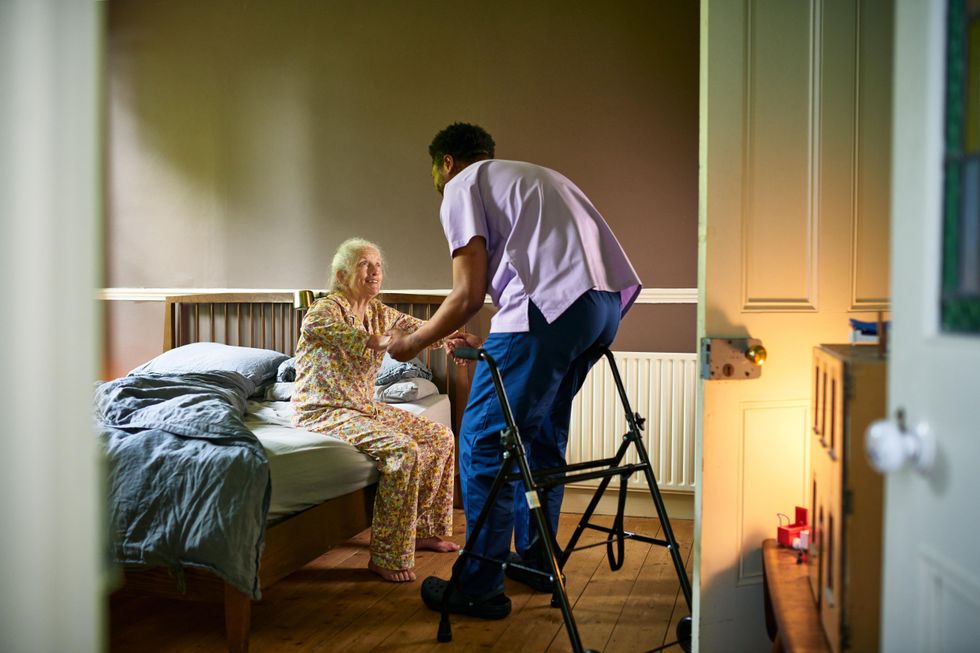
Migrant workers in Britain's care homes are being taught what toast is and how to 'recognise a knife' (stock)
|GETTY
The guide also details "Traditional English Recipes", such as toast, which is "a simple and popular food made by browning slices of bread using a toaster".
Beans on toast, how to heat up canned soup and prepare ready meals are also explained.
It also tells the reader they can use "sensory cues to decide if food is okay to eat."
"Look for visible signs like mould, fluffy or dusty patches; or sniff/smell dairy products to see if they have soured," it adds.
LATEST DEVELOPMENTS
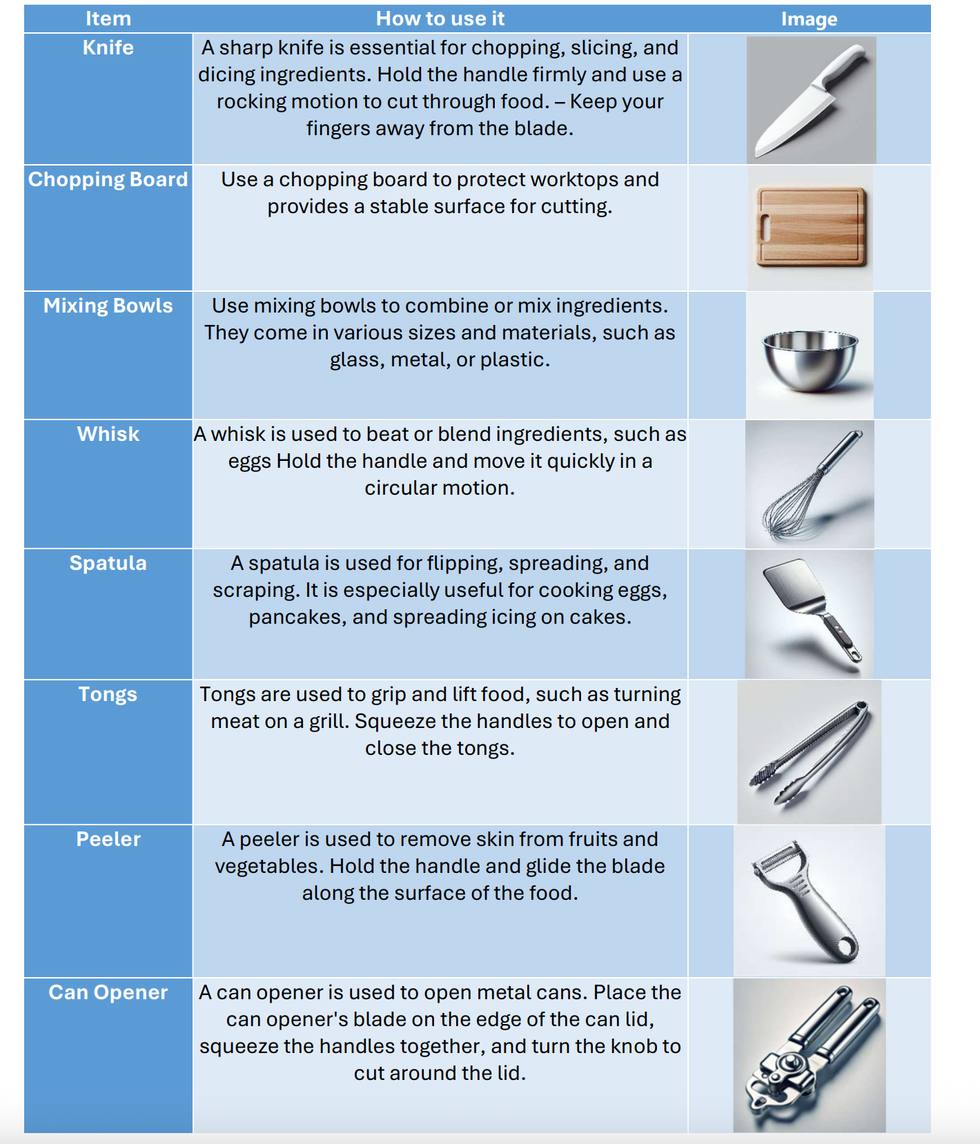
The guide details how to use basic kitchen utensils, such as a knife and tongs
|STAFFORDSHIRE COUNTY COUNCIL
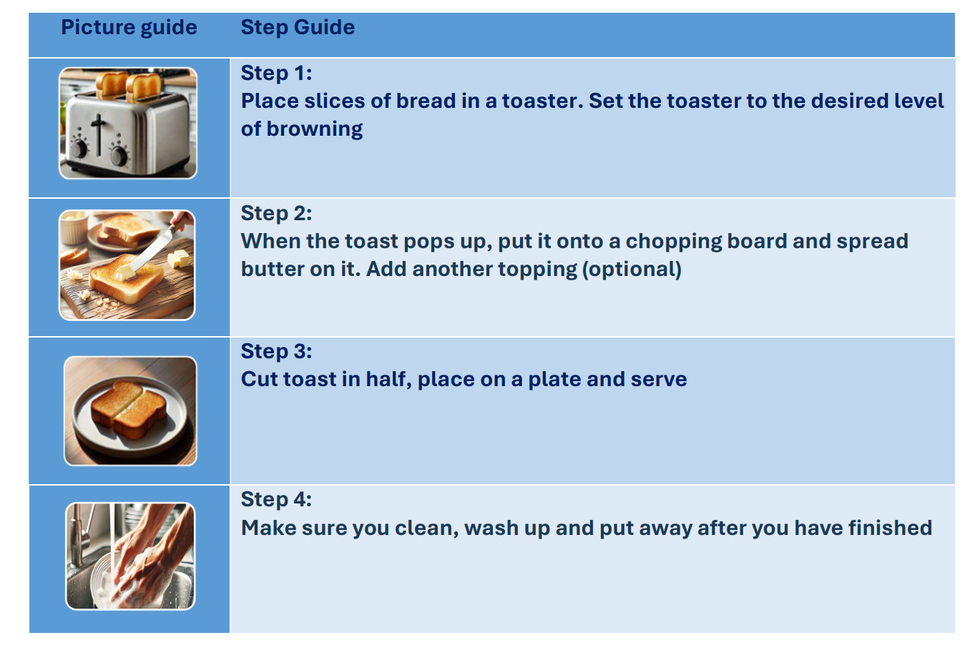
An explanation on how to make toast is also given
|STAFFORDSHIRE COUNTY COUNCIL
On the note of hygiene, the guide instructs readers to wash their hands before cooking, explaining it "helps to remove any bacteria or germs that may be on your hands."
The hub also provides "AI coaches" to direct migrant workers to advice on healthcare, housing and financial help.
The chatbots include "Housing Hollie", "Community Carmen", and "Unemployment Emma".
William Yarwood, the media campaign manager at the TaxPayers’ Alliance, said: "This is a perfect snapshot of Britain’s broken migration system: taxpayers footing the bill to teach migrant workers what toast is and how to recognise a knife.
"If migrant workers need this level of basic training, they shouldn’t have been recruited in the first place.
"Ministers must tighten recruitment standards immediately and avoid wasting money on this type of training."
The hub was given £1.8million in Government funding as part of a scheme that distributed £15million to selected councils to boost foreign worker recruitment.
Along with the cooking guide, there are 14 other "care guides", such as "Personal Appearance Guide" and "Positive Behaviour Support Guide".
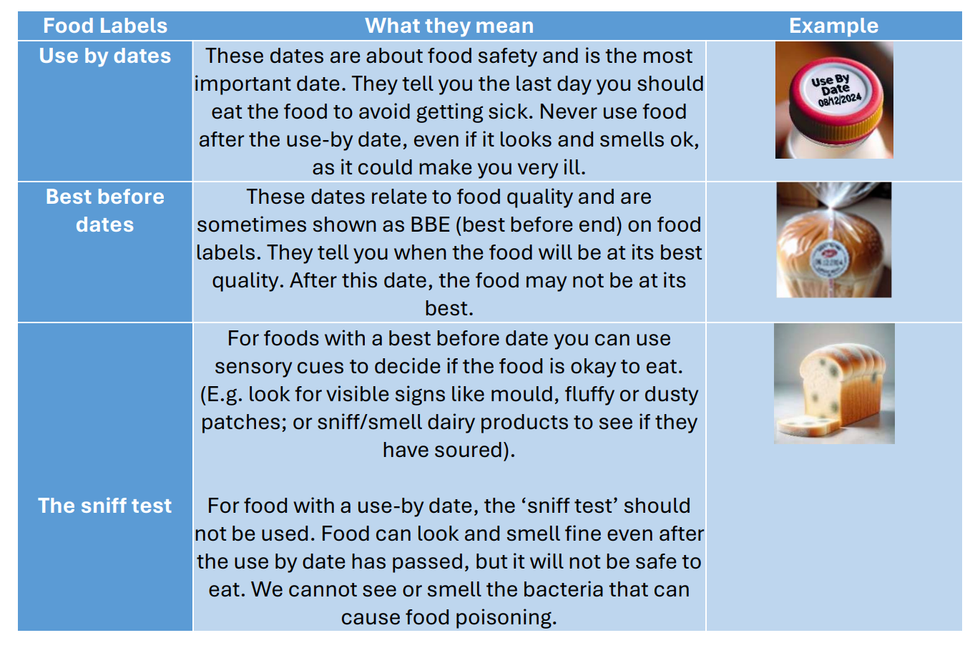
Foreign care workers are also told the 'sniff test' and advised to check food for mould before serving it
|STAFFORDSHIRE COUNTY COUNCIL
The Migration Observatory found that, after 2022 saw an influx of care workers following eased visa restrictions, 99 per cent of staff came from outside the European Union.
India (33 per cent), Zimbabwe (16 per cent) and Nigeria (15 per cent) led the way.
Martin Rogerson, Cabinet Member for Health and Care, said: "We make a range of information available online to the wider care market so it’s low cost and readily accessible.
"This basic guide is designed for care workers who may be preparing food as part of their care role - for, with or alongside people with who need care.
"Those with care needs may include young adults with a learning disability learning to live independently, or people who are regaining their skills after a stroke, for example. So, it’s written to describe cooking skills very simply and in a way that would also be appropriate and helpful while supporting those with care needs who are gaining or maintaining their independence."
Our Standards: The GB News Editorial Charter
More From GB News