









Leeds City Council has rejected a Home Office proposal to transform one of the city's student residences into accommodation for asylum seekers.
The government department submitted its application for Mary Morris House on Shire Oak Road, Headingley, back in August last year.
Had the plans succeeded, the building - currently housing students - would have been repurposed to join the list of some 200 hotels and centres accommodating upwards of 30,000 asylum seekers in the UK.
The council turned down the Certificate of Proposed Lawful Development request, determining that the conversion constituted a material change of use, requiring full planning permission.
TRENDING
Stories
Videos
Your Say
However, officials confirmed the Home Office retains the right to challenge this ruling through an appeal.
Labour ward councillors Jonathan Pryor and Abdul Hannan stated that planning legislation and factual evidence formed the basis of the council's determination.
"At this stage, the next steps are entirely up to the Home Office," the councillors said in a joint statement.
"The Home Office could now submit a full planning application, which would be subject to a full public consultation, where residents would be able to submit comments in support, opposition or neutral".
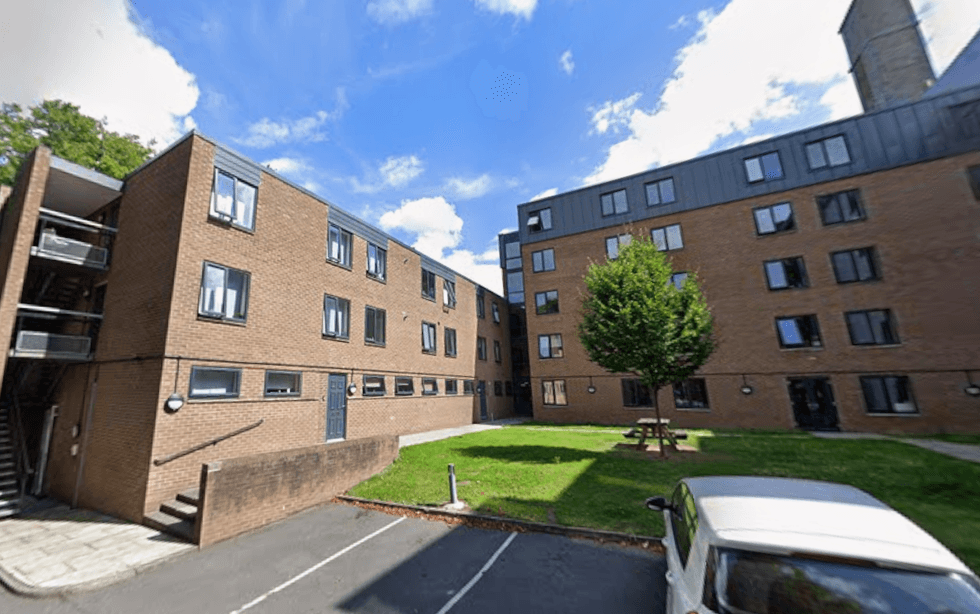
Plans to convert student flats in Leeds into a hostel for asylum seekers have been blocked by the council
|GOOGLE MAPS
The councillors noted they had contacted nearby residents directly about the matter, believing it appropriate they hear the news from elected representatives rather than through social media channels.
Mary Morris House was originally constructed during the 1970s as halls of residence for the University of Leeds.
The property has since undergone refurbishment and is now under private ownership and management.
Students continue to reside in the building, with councillors confirming that nothing has altered on site following the council's decision.
LATEST DEVELOPMENTS
- Shabana Mahmood's migrant crackdown takes effect TODAY as emergency brake aims to halt asylum surge
- Number of asylum seekers housed in taxpayer-funded accommodation for over a year surges by nearly half as over 37,000 staying for over 12 months
- POLL OF THE DAY: Will Labour's new illegal migrant crackdown solve the small boats crisis? VOTE NOW
"We will continue to update everyone as further updates reach us," the pair of councillors stated.
The Home Office now faces a choice between lodging an appeal against the refusal, or pursuing a fresh application through the standard planning process.
The latter would involve community consultation to allow local residents to formally register their views.
The proposition for the site emerged last September, where the location was selected citing the neighbourhood as "tolerant, unified and respectful".
A spokesman for Leeds City Council said at the time: "The council has informed local residents’ groups of the potential change in occupancy at Mary Morris House and is committed to further engagement with the community on this matter.
"It should be stressed that Mary Morris House is currently occupied by fee-paying students.
“Leeds is a welcoming city which has been built on the values of tolerance, unity and respect for one another and we remain committed to upholding those values".
The council enacted the plans under instruction from the Home Office, as part of wider government efforts to reduce the reliance on hotels.
Today marked the commencement of Home Secretary Shabana Mahmood's new measures on migration, imposing an emergency brake on visas from Afghanistan, Cameroon, Myanmar and Sudan.
The emergency brake is intended to counter a surge in asylum claims from the four nations, with an increase of 470 per cent being recorded between 2021 and 2025.
In addition, a new pilot scheme would pay failed claimants up to £40,000 to return voluntarily to their home countries, initially targeting approximately 150 families living in taxpayer-funded asylum accommodation.
The move aims to reduce taxpayer burden, as housing a family of three in asylum accommodation costs up to £158,000 per year.