






A new Home Office study has revealed migrant workers on lower pay are more likely to settle permanently in Britain than the highest earners.
The study, conducted by the Migration Advisory Committee, a Home Office body, found care workers had among the highest remaining rates of settling.
Meanwhile, academics and scientists were more likely to leave the UK after half a decade.
Researchers also found migrants from richer countries such as the United States were less likely to stay when compared to people from countries including Nigeria, Ghana and Bangladesh.
It also found migrants who entered the country at younger ages "seem to stay longer" and women were more likely to stay compared to their male counterparts.
The study, which looked at just under one million migrant journeys in the decade to 2024, warned the findings could impact estimates about the fiscal benefits of skilled migration and add to the "demand for housing and public services."
The researchers said: "Our analysis suggests that migrants earning the lowest wages are the most likely to remain in the UK long term, while there is some evidence that those with the highest salaries are the most likely income group to leave."
They added: "Taking into account the fact that low earners and care workers are more likely to stay in the UK longer-term would reduce the projected fiscal benefit of the skilled worker route relative to those same workers having shorter stay durations."
The new report laid bare the migration stats
| GETTYResearch director at the Centre for Migration Control Robert Bates said: "Ministers must heed this warning from their own advisers and recognise that the current immigration system is storing up huge fiscal problems for the future."
The skilled worker visa scheme was first introduced by Boris Johnson's government in 2020, enabling employers to apply to sponsor migrant workers for skilled or shortage jobs in sectors such as finance, healthcare, hospitality and construction.
It was later expanded to include care workers.
About 931,000 people arrived in its first three years, around three times the initial Home Office forecast.
LATEST DEVELOPMENTS

Rob Bates said ministers must ' heed this warning'
| GB NEWSAs part of widespread reforms to immigration policy Shabana Mahmood, the Home Secretary, increased the salary and English language requirements and reduced the number of eligible jobs.
She also doubled the qualifying period for settlement to ten years for most migrants and ended overseas recruitment for adult social care.
A spokesman from the Home Office said: "We make no apology for getting migration under control.
"Our settlement reforms ensure those who seek to live here permanently will contribute to society first, paying in more than they take out."
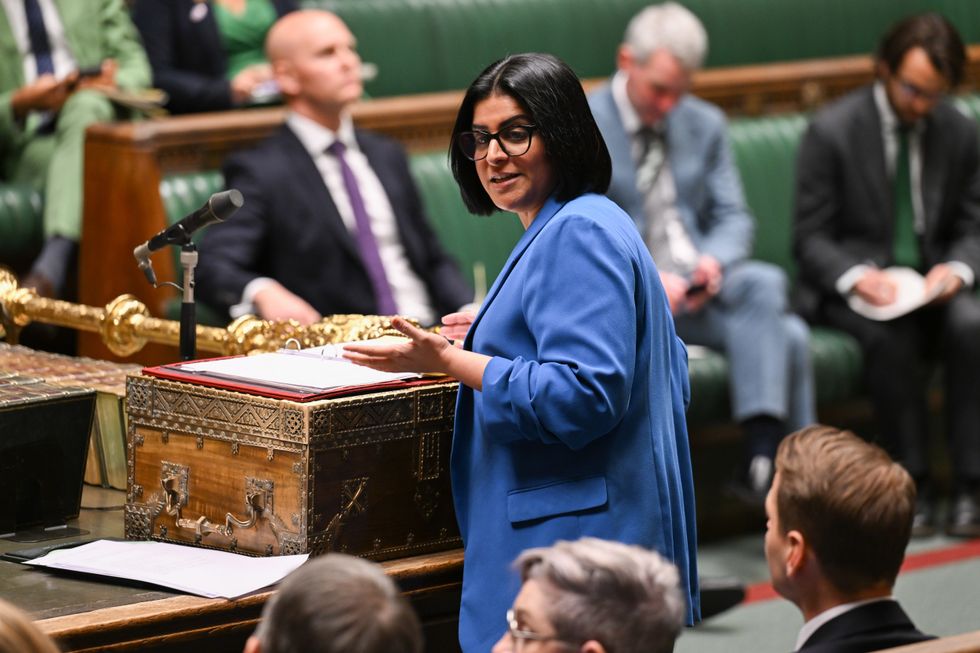 Home Secretary Shabana Mahmood has vowed to crack down on illegal migration | PA
Some 4.8 million legal migrants arrived in the UK between 2021 and 2024 – a significant rise on previous years, which was influenced by schemes including refugee programmes for Hongkongers and Ukrainians fleeing strife in their homelands as well as a demand for workers to fill shortage occupations.
The resulting net migration over the period was more than 2.5 million people when emigration out of the UK was accounted for, according to official figures.
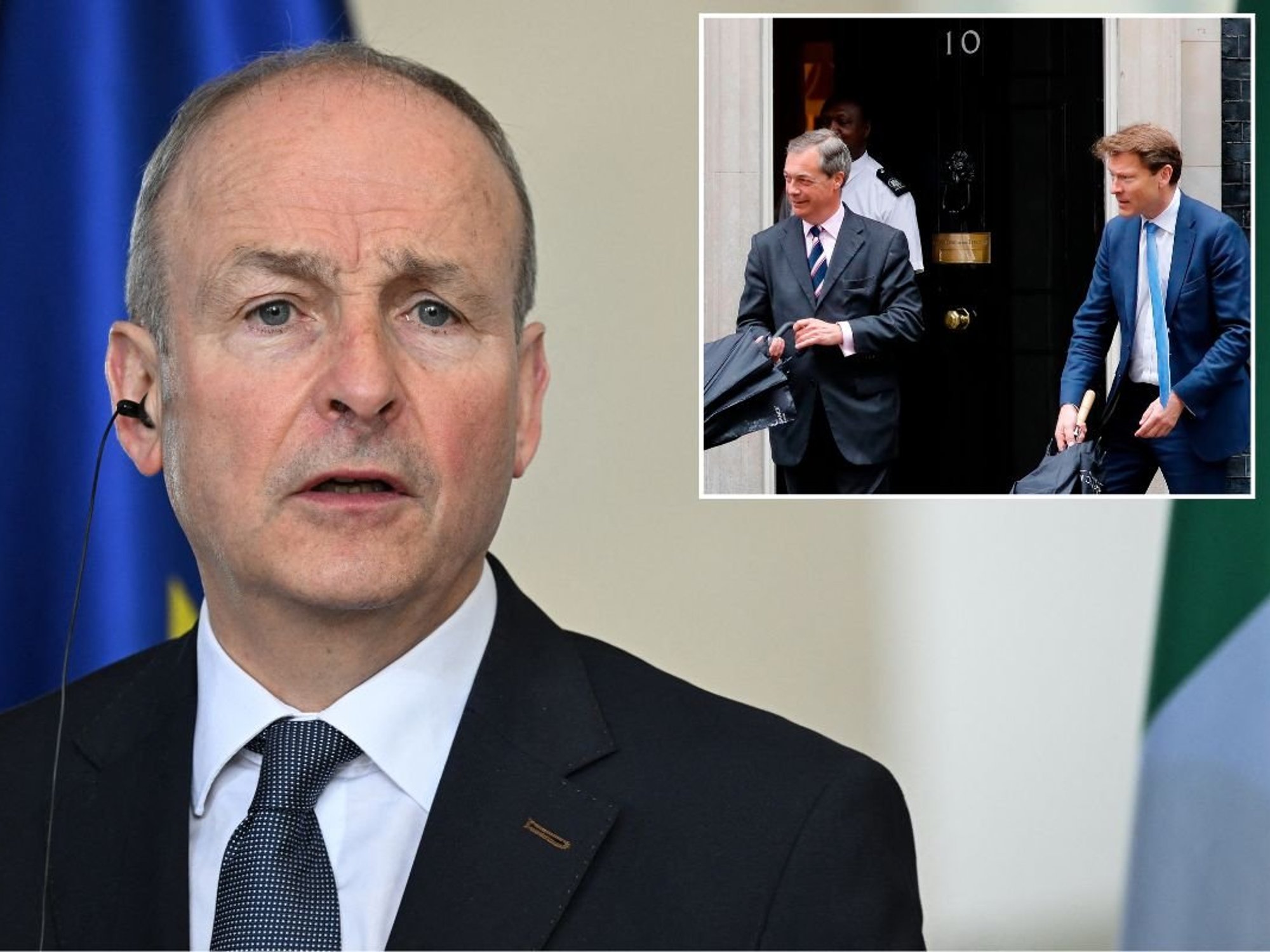
In April, Nigel Farage pledged to “stop the Boriswave" of migrants who entered the UK during Boris Johnson's time in Downing Street.
The Reform UK leader said: "There is still time. There is still something we can do about this Boriswave. But if over a couple of million people get indefinite leave to remain over the course of the next 18 months, we will be putting around our necks an economic millstone that, frankly, will be catastrophic".
Our Standards: The GB News Editorial Charter