










Britain now has a record number of foreign criminals walking its streets despite being eligible for removal from the country, with official figures revealing 19,491 released prisoners who should have been deported remain in the UK.
This unprecedented total represents a dramatic surge from 2017, when just 5,933 foreign offenders were in the same position – meaning the figure has nearly tripled in eight years.
The statistics deal a significant blow to Sir Keir Starmer and senior Labour ministers who have repeatedly promised to take a harder line on deportations.
Among those still present in Britain are believed to be some offenders who left prison more than five years ago but have never been returned to their home countries.

The number of foreign criminals not being deported has hit a record high
| Home OfficeThe overall tally has climbed by nearly 5,000 offenders over the past three years alone, with approximately 1,000 additional cases emerging since Sir Keir entered Downing Street.
These mounting numbers come despite the Government's stated commitment to cracking down on the issue.
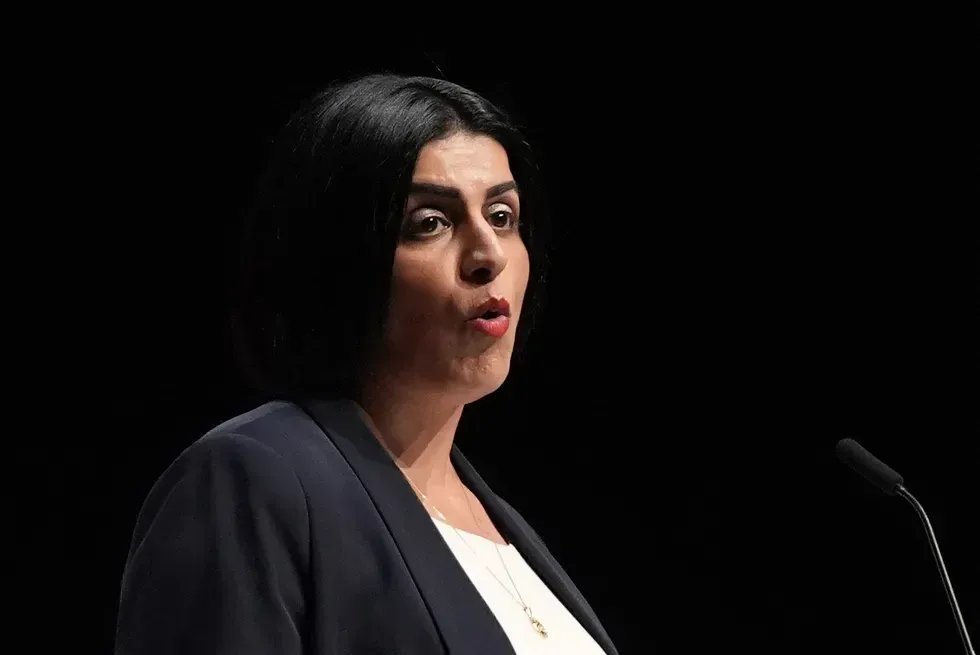
Shabana Mahmood is under pressure to tackle the crisis
| PAIn August, the Home Office announced plans to remove foreign criminals immediately upon sentencing as a cost-saving measure.
Shabana Mahmood, who served as Justice Secretary before becoming Home Secretary, described the initiative as "radical action" aimed at addressing the country's struggling border system.
The legal authority enabling swifter removals took effect in September, yet the figures continue to climb.
Foreign offenders have managed to exploit various legal avenues to resist deportation and remain on British soil.
LATEST DEVELOPMENTS
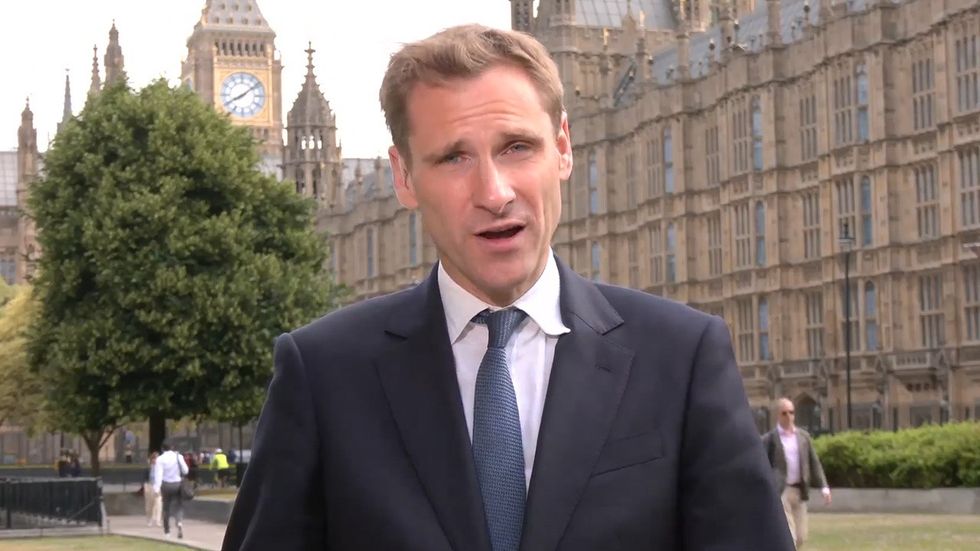
Chris Philp, the shadow home secretary, has hit out at the Government
| GB NewsShadow Home Secretary Chris Philp has criticised the Government's handling of the situation, stating: "Every single foreign national offender who is eligible for removal should be deported."
The Conservative frontbencher's comments highlight the growing political pressure on ministers to deliver on their promises regarding foreign criminals.
Despite the new powers introduced in September that were supposed to streamline the deportation process, offenders continue to find ways to challenge their removal through the legal system.
One such case involved German drug dealer Saleh Hamid, who successfully avoided being sent back to his home country by arguing he lacked sufficient fluency in German and would face "very significant obstacles" upon return.
Another stark example of deportation failure emerged earlier this year when migrant Jason Furtado received a life sentence for killing a schoolboy, despite having been scheduled for removal nine years previously following convictions for theft and driving offences.
Responding to the figures, a Home Office spokeswoman said: "This government will not allow foreign criminals and illegal migrants to exploit our laws, which is why we are reforming human rights laws and the broken appeals system, allowing us to scale up deportations."
She added: "All foreign national offenders who receive a prison sentence in the UK are referred for deportation at the earliest opportunity."
The Government maintains its commitment to overhauling the appeals process, which ministers argue has enabled too many offenders to remain in Britain.
More From GB News