








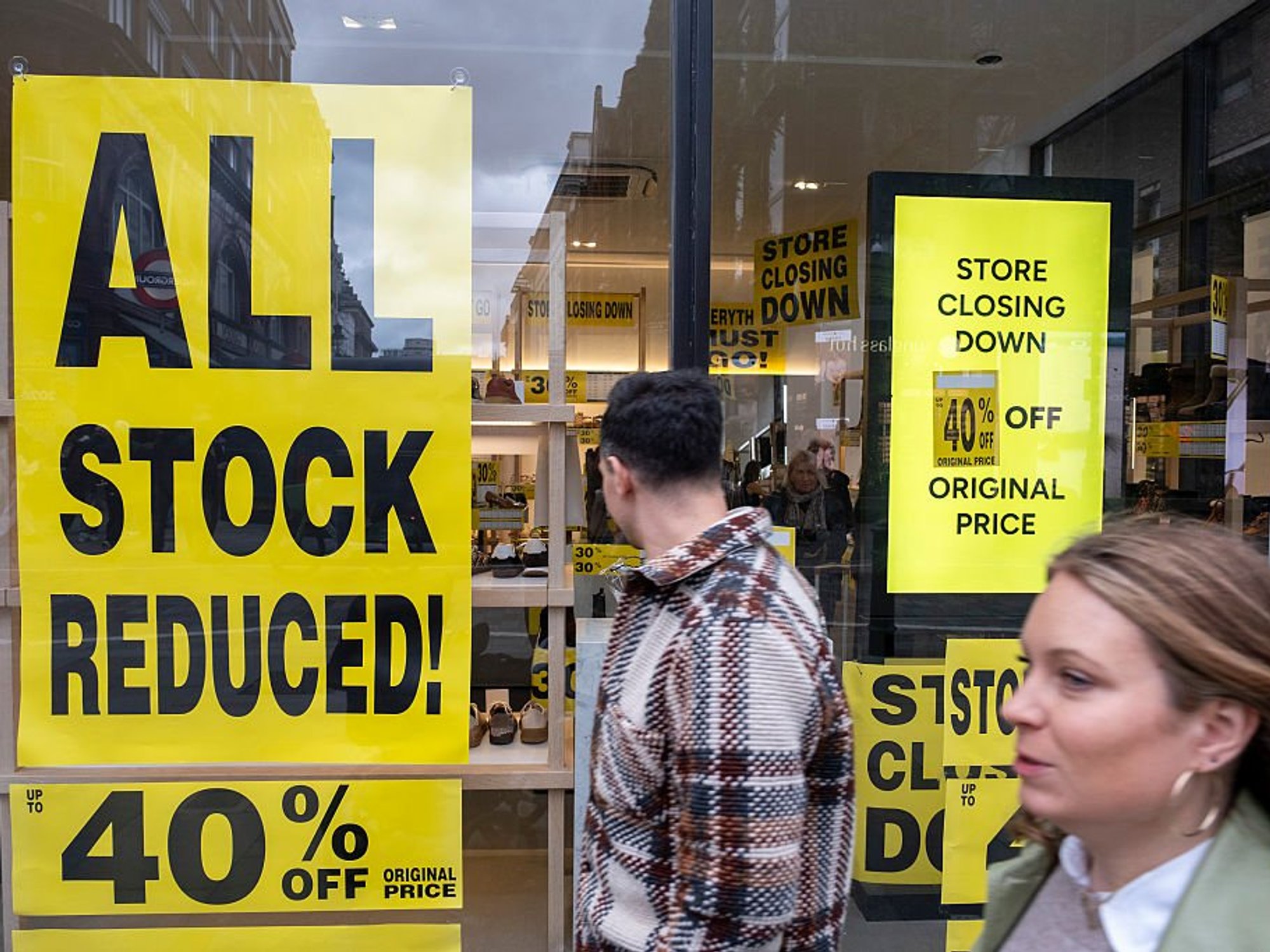


Labour's energy policy is making Britain an example of how not to tackle climate change, a leading economist has warned.
Professor Sir Dieter Helm says high energy costs have led to de-industrialisation and suggests current policy has little impact on global greenhouse gases.
This has made UK policy a warning to others, he suggests, because “nobody leading any country wants to end up with the highest industrial energy prices in the developed world”.
The policy might also prove incompatible with the power demands of data centres needed for AI, he said, warning: “You can't be an AI superpower and a renewables-based economy anytime soon.”
Sir Dieter, Professor of Economic Policy at Oxford University, said energy support programmes such as the British Industrial Competitiveness Scheme, which grants eligible companies up to 25 per cent off their bills, were a “sticking plaster”.
They and other measures, including proposed support schemes for household bills because of the war in Iran, were like a “flea on an elephant”, he claimed, saying they were “temporary measures to buy off the pressures”.
He argued the Government was “digging its heels in” over its Net Zero targets and claimed that the drive to decarbonise the grid by 2030 was increasing bills.
Interventions such as the BICS would need to be repeated unless fundamentals were dealt with, Prof Helm, who has advised previous governments on energy, said.
He explained: “It really is not addressing the really substantial scale of the difficulties, in energy terms, that Britain has got itself into. Think about the uncompetitiveness of British industry. Grangemouth has gone. One of the refineries in Hull has gone, the fertiliser industry's gone, the car industry's back to its 1950s output, the fibreglass industry's gone, and so the list extends. There ain't actually much left to get rid of, but now the challenge is, why would anyone come here to invest in new energy-intensive industries?”
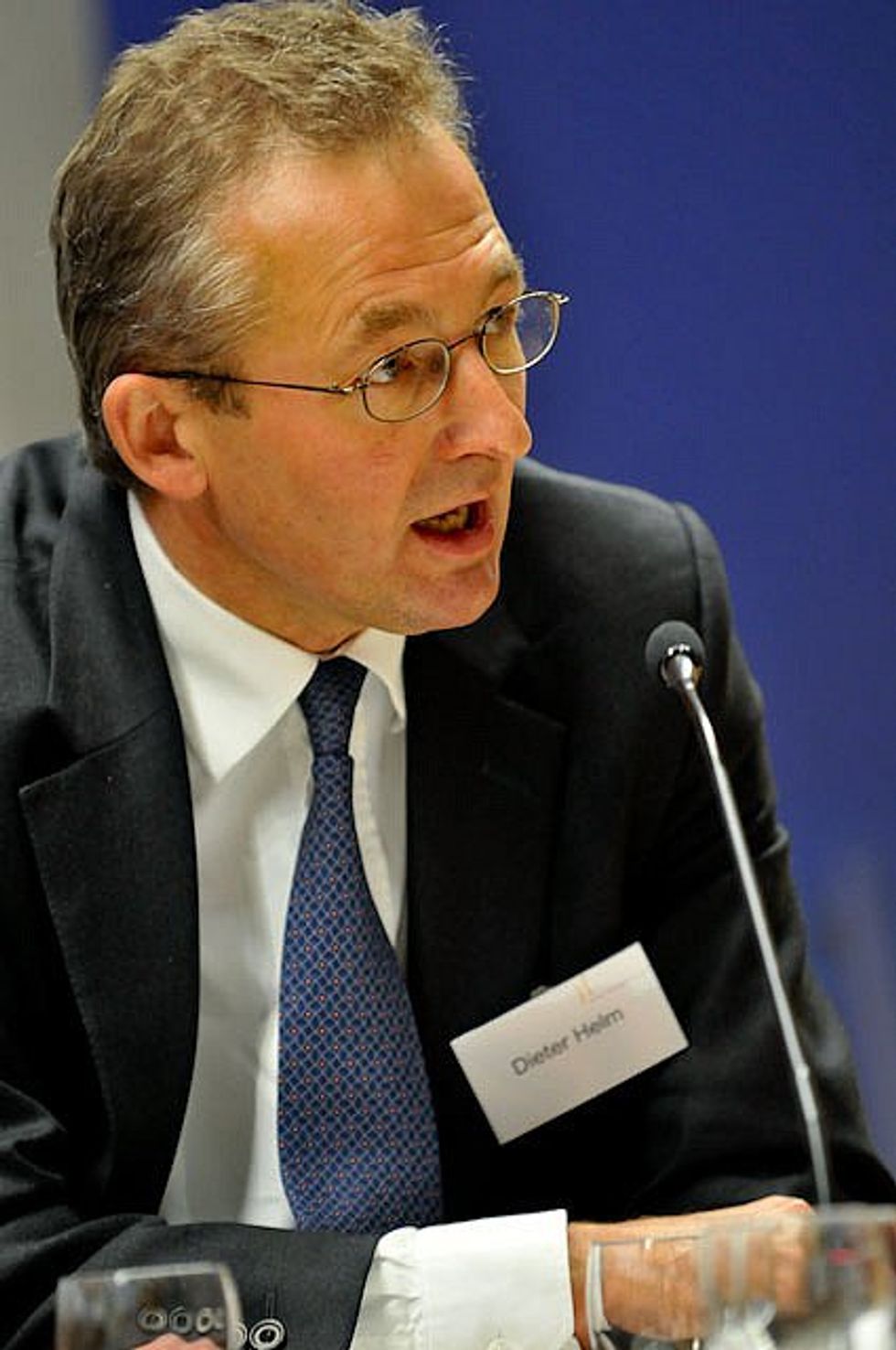
Labour's energy policy makes Britain an example of how NOT to tackle climate change, Professor Sir Dieter Helm said
|WIKIMEDIA COMMONS
Prof Helm added: “De-industrialisation, which is one of the ways in which our carbon emissions domestically appear to have been so successfully going down, is not a good climate change policy.”
He said on his podcast, Helm Talks, the UK wanted to present itself as a “clean energy superpower”, but he warned no country would want to copy our approach.
Prof Helm said: “The fact is, the leaders of the rest of the world are looking to British climate change policies to find out how not to do it, because nobody leading any country in the world wants to end up with the highest industrial energy prices in the developed world. It doesn't want to destroy its competitiveness. And so, look to the UK, look to Britain, and see how we're going about it, and make sure you don't do it too. And as for the clean energy superpower – if only; we're not. And nobody thinks we are, outside the narrow confines of bits of government and particular government departments.”
The impact on industry went beyond the realm of steel blast furnaces, he said. With the dawn of AI, power-hungry data centres would also have a say.
LATEST DEVELOPMENTS

The expert pointed to OpenAI’s decision to pause its Stargate UK data centre in the north-east of England
| GETTYProf Helm pointed to OpenAI’s decision to pause its Stargate UK data centre in the northeast.
It announced the decision earlier this month, saying it would only move forward when “the right conditions, such as regulation and the cost of energy, enable long-term infrastructure investment”.
He also cited the £2billion Wapseys Wood data centre in Buckinghamshire, which planning documents show would include a new gas-fired power station to provide “a resilient and reliable power supply” for the site.
“You can't be an AI superpower and a renewable-based economy anytime soon,” he said. "One is about gas and firm power. The other is about intermittent, and actually quite expensive, power".
Prof Helm also argued our efforts to decarbonise could be wasted if the emissions just went elsewhere.
Industry leaders have complained of businesses moving offshore, with products shipped back to the UK.
He said the “stark fact” was global carbon concentrations were increasing, despite the UK’s efforts to bring them down domestically.
Fossil fuel still made up 85 per cent of the global energy mix and 75 per cent of the UK’s. “The policy is not delivering its primary stated objective, which is to make UK a world leader in addressing climate change,” he said. He suggested our only true source of home-grown energy was North Sea oil and gas.
This is because some elements in solar panels and wind turbines are manufactured abroad.
“We are saying we don’t want homegrown energy,” he said: “I mean, you couldn't make this up. We apparently prefer Norwegian North Sea gas to British North Sea gas, and at the margin, we prefer liquefied natural gas from fracked gas with all the environmental extra costs associated with it. “We prefer that to British North Sea gas going forward.”
Continuing with current policy would see the continuation of “a really quite rapid decline of large-scale industry in Britain”, he said.
He argued the Government must take steps to improve the competitiveness of British industry and make our bills more aligned with other parts of the world.
“Everybody else seems to manage it, it's just us,” he said. “It's time to stand back, peel away the sticky plasters, reveal the wounds underneath, and address the core problems.”
A spokesman for the Department for Energy Security and Net Zero said: “Regardless of where it comes from, oil and gas is sold on international markets, which set the price for British billpayers – making us a price taker.
“Clean power is the route to energy sovereignty, lower bills and thousands of good jobs in our communities.
"The lesson of yet another fossil fuel crisis is the UK needs to get off the fossil fuel rollercoaster and onto clean homegrown power we control."
Our Standards: The GB News Editorial Charter