









The energy crisis caused by the war in Iran is worse than all previous oil shocks combined, the head of the International Energy Agency says.
Fatih Birol said that the current crisis, triggered by the closure of the vital Strait of Hormuz, was “more serious than the ones in 1973, 1979 and 2002 together”.
The IEA head told France’s Le Figaro newspaper: “The world has never experienced a disruption to energy supply of such magnitude.”
The 1973 crisis was caused by an embargo on oil due to the Yom Kippur war. It led to petrol shortages and inflation across Europe and the US.
The 1979 shock was due to the Iranian Revolution and saw a seven per cent fall in global oil supplies. 2002 marked the start of an upswing in oil prices, which rose steadily until 2008.
But Mr Birol said the latest crisis was worse than the others put together. He told the newspaper: “I am very pessimistic because this war blocks one of the arteries of global trade.
“It’s not just oil and gas but also fertiliser, petrochemicals, helium and plenty of other things.”
IEA member countries agreed last month to release part of their strategic reserves. Some of this had already been released and the process continues, said Birol.
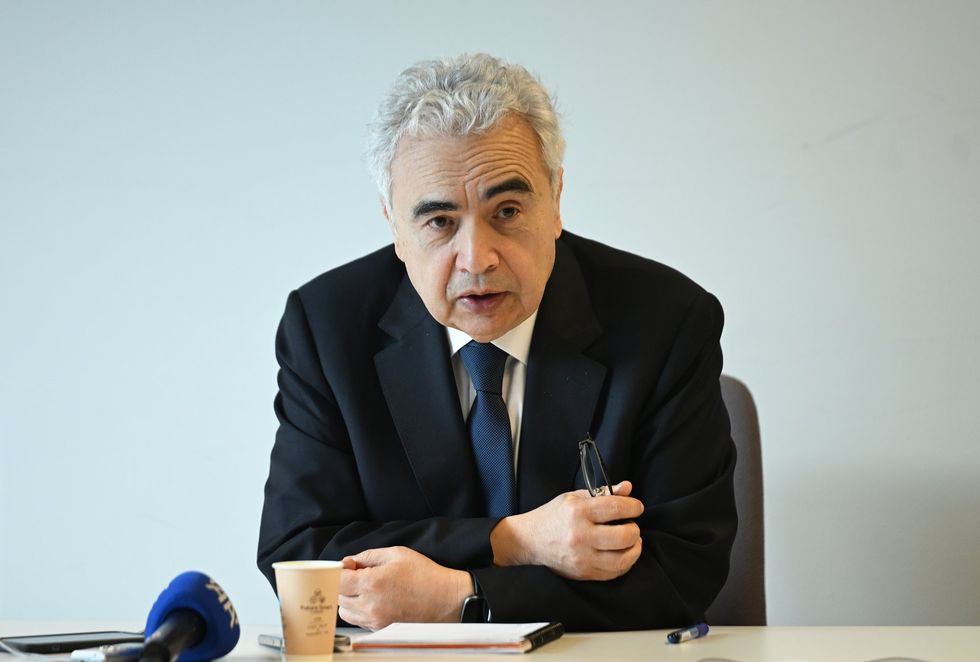
Head of the International Energy Agency Fatih Birol said the closure of the Strait of Hormuz was 'more serious than the ones in 1973, 1979 and 2002 together'
|GETTY
He said the countries most at risk were developing nations which would struggle with higher oil and gas prices, higher food prices and a general acceleration of inflation.
In reaction to the strikes by Israel and the US, Iran has almost entirely blocked the traffic in the Strait of Hormuz, through which about 20 per cent of world oil and gas regularly flows, creating a surge in energy prices.
Oil prices have soared above $111 a barrel, up more than 50 per cent since the start of the war. President Trump has threatened to bomb Iran’s infrastructure if it fails to open the strait.
Energy experts said last month that the sale of the disruption was ‘unprecedented’.
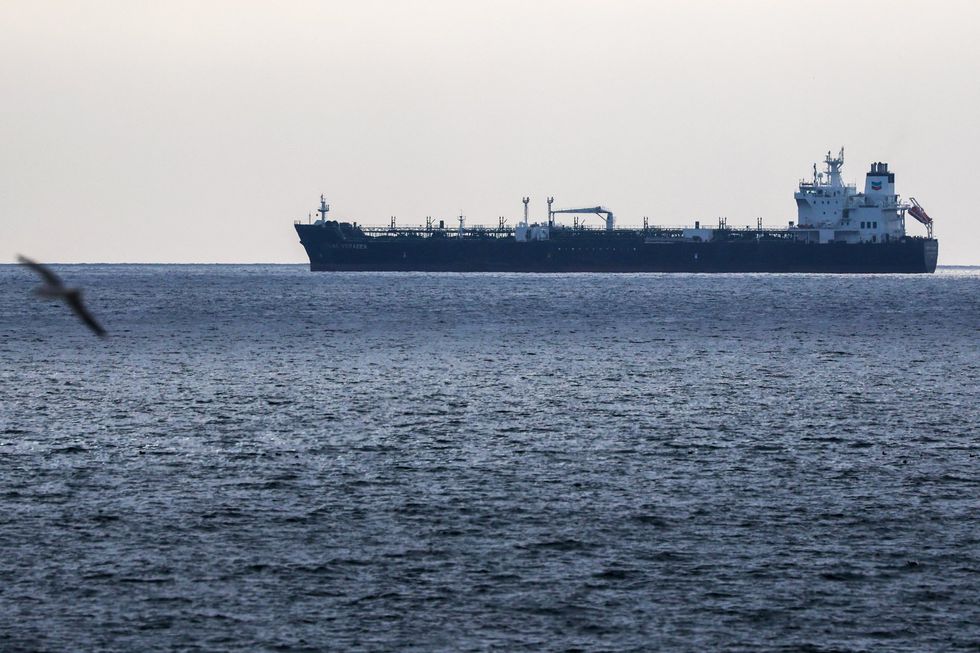
The Strait of Hormuz has been closed since the war broke out in February
|GETTY
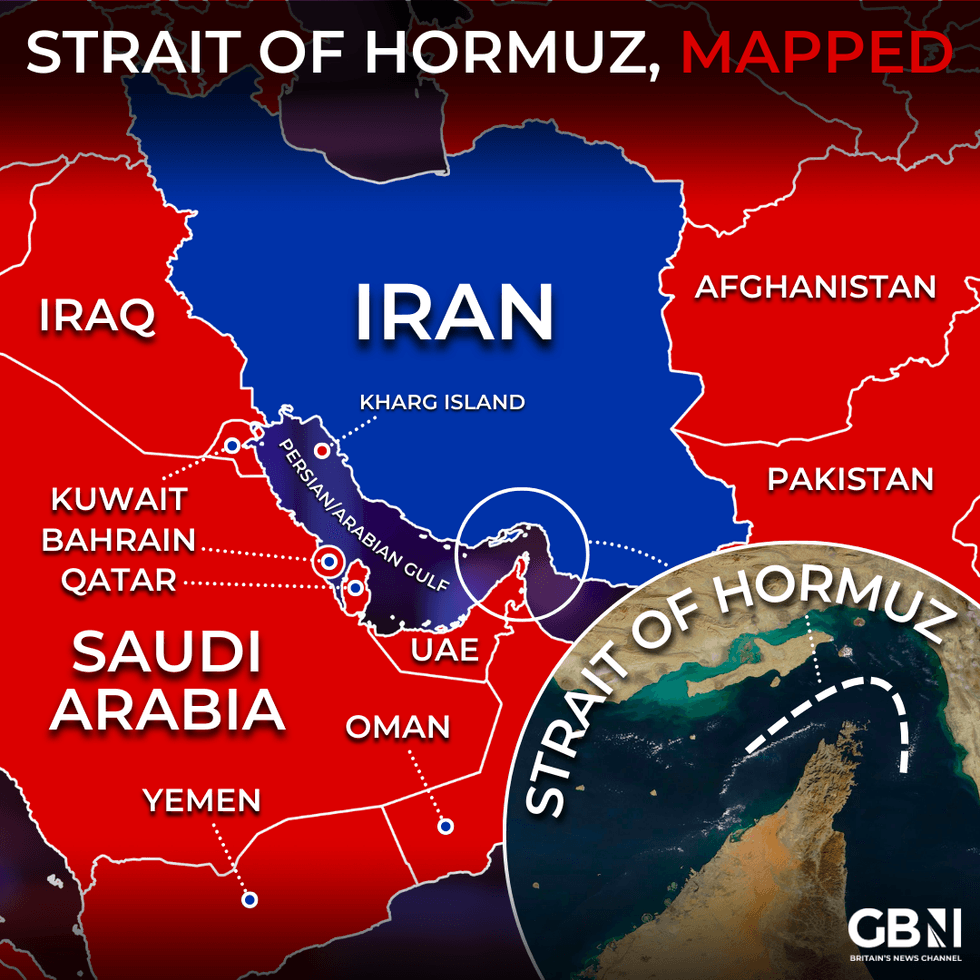
Iran controls the Strait of Hormuz, which is vital for the world's oil supply
|GB NEWS
Neil Crosby, of Sparta Commodities, said: “Have I seen something on the scale? No, I have not. And probably nobody else has, either.
“Even if we're talking about the 1970s and the oil embargoes - the size of this problem is double the size of that problem. It's simply unprecedented.”
The effects are already being felt at the pump, with petrol and diesel prices soaring.
And analysts warned the UK could be set for ‘stagflation’ with business and consumer spending hit by the Middle East conflict while inflation rises.
The S&P Global UK services PMI survey, which is watched closely by economists, showed a reading of 50.5 in March, down from 53.9 in February.
This marked the lowest score for 11 months, but remained above the 50.0 threshold which indicates that activity is growing.
Businesses reported that concerns about the impact of the US-Israel’s war with Iran were putting a dampener on business and consumer spending.
The uncertain conditions were weighing on people’s confidence to spend and leading to delayed investment decisions, the survey found.
Export sales were also impacted last month with new work from abroad falling at the fast rate since April last year.
Meanwhile, the conflict has been having a direct impact on some businesses’ cost bases due to disruption to energy infrastructure and shipping routes in the Middle East, therefore pushing up fuel costs in the UK.
This has made transportation more costly and also pushed up prices for raw materials, according to the firms surveyed.
Tim Moore, economics director for S&P Global Market Intelligence, said that the services industry experienced a “marked slowdown in output growth in March as the war in the Middle East encouraged greater risk aversion among clients and postponed investment decisions”.
He said that “stagflation risks appear to have increased”, referring to rising inflation at the same time as slower economic growth.
“Overall input cost inflation has accelerated sharply since February and was the strongest for 11 months, which was overwhelmingly linked to rising fuel and transportation bills,” Mr Moore said.
“Many firms also noted that suppliers had sought to pass on higher prices paid for energy, raw materials and shipping.”
Thomas Pugh, chief economist at RSM UK, said: “The inevitable conclusion from this morning’s final PMI numbers for March is that the UK is in for another bout of stagflation, even if the conflict ends soon.
“If it drags on longer, a recession looks likely.
“We now expect the economy to stagnate for the rest of this year as higher energy prices and tighter financial conditions cause disposable income to shrink.
“Admittedly, the household saving rate is high entering the crisis, which would allow households to cushion the blow to disposable incomes by saving less, and government support may also reduce the impact on GDP.”