

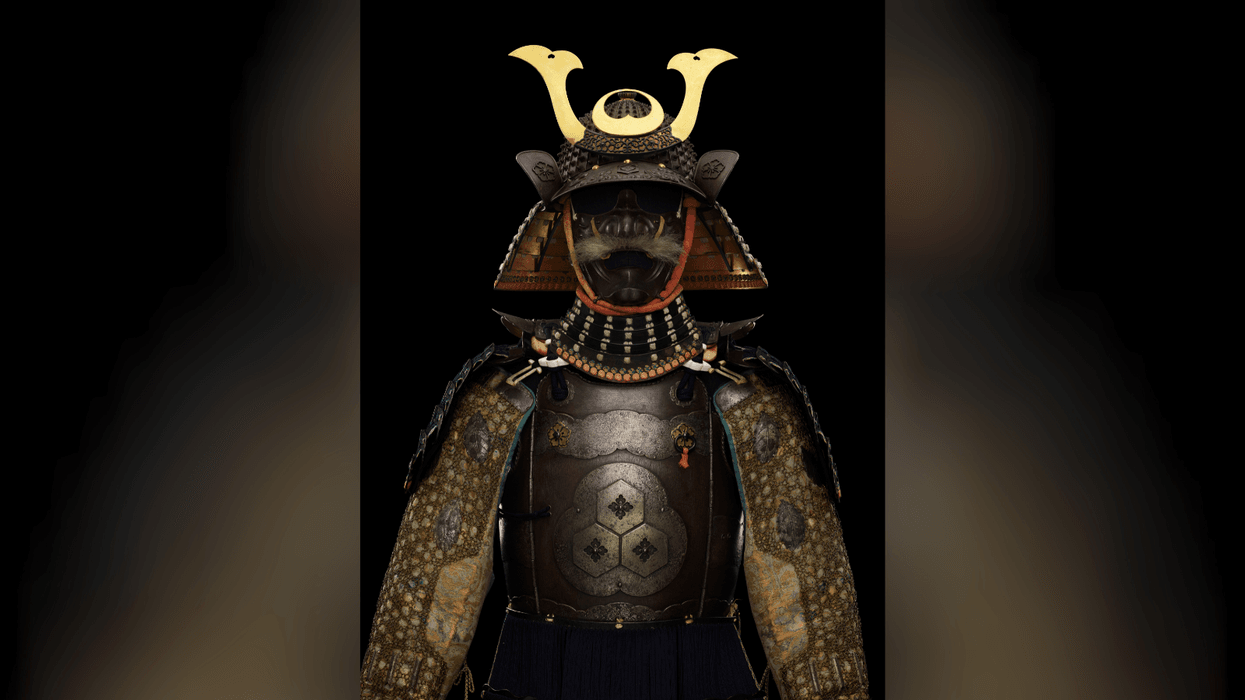








Half of Japan's Samurai class were women, a groundbreaking exhibition at the British Museum has claimed.
The exhibition is the first to explore how the warrior order's image and myth was created.
It looks to challenge modern day ideas of the Samurai, including how they have been "fabricated" and "idealised" from the medieval period to today.
The exhibition, which opened yesterday, features around 280 objects and digital media from the collection, as well as national and international lenders.
TRENDING
Stories
Videos
Your Say
This includes Samurai armour, paintings, books, clothing, ceramics, books and contemporary Japanese art.
The Samurai first emerged during Japan's early medieval era, between the 1100s and 1600s, when affluent households began employing fighters for private protection.
"During a long era of peace from 1615, they moved away from the battlefield to serve as government officials, scholars, and patrons of the arts, with women making up half of the Samurai class," the British museum said.
"By the late 19th century, their hereditary status had been abolished, and the myth of bushidō – promoting patriotism and self-sacrifice – was promoted."
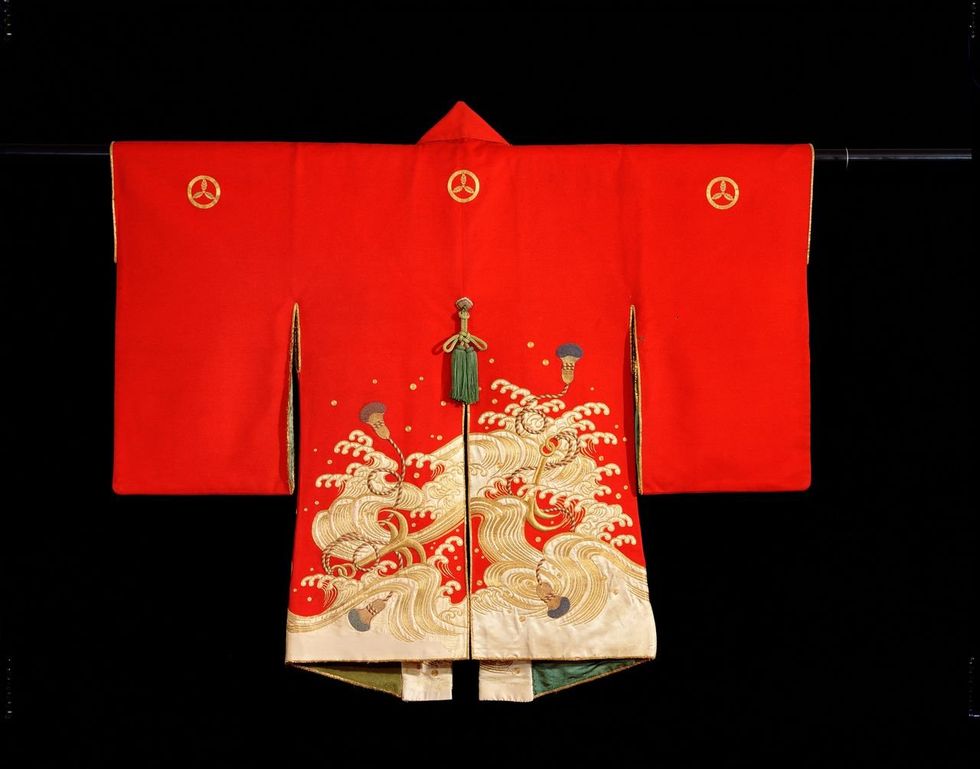
A women's firefighting jacket is among the items featured in the collection
|BRITISH MUSEUM
By 1615, the Samurai class had largely abandoned the battlefield, transitioning into roles as government administrators, academics and supporters of artistic endeavours.
It was during this peaceful period that women constituted half of the samurai class, serving as essential members of the elite order despite not engaging in combat.
The exhibition illustrates this shift by displaying everyday garments worn by Samurai, alongside items belonging to female members of the class, such as robes, grooming instruments, hand mirrors and etiquette manuals.
Dr Rosina Buckland, Asahi Shimbun curator of Japanese Collections, explained that popular understanding of historical cultures often diverges significantly from scholarly knowledge.
LATEST DEVELOPMENTS
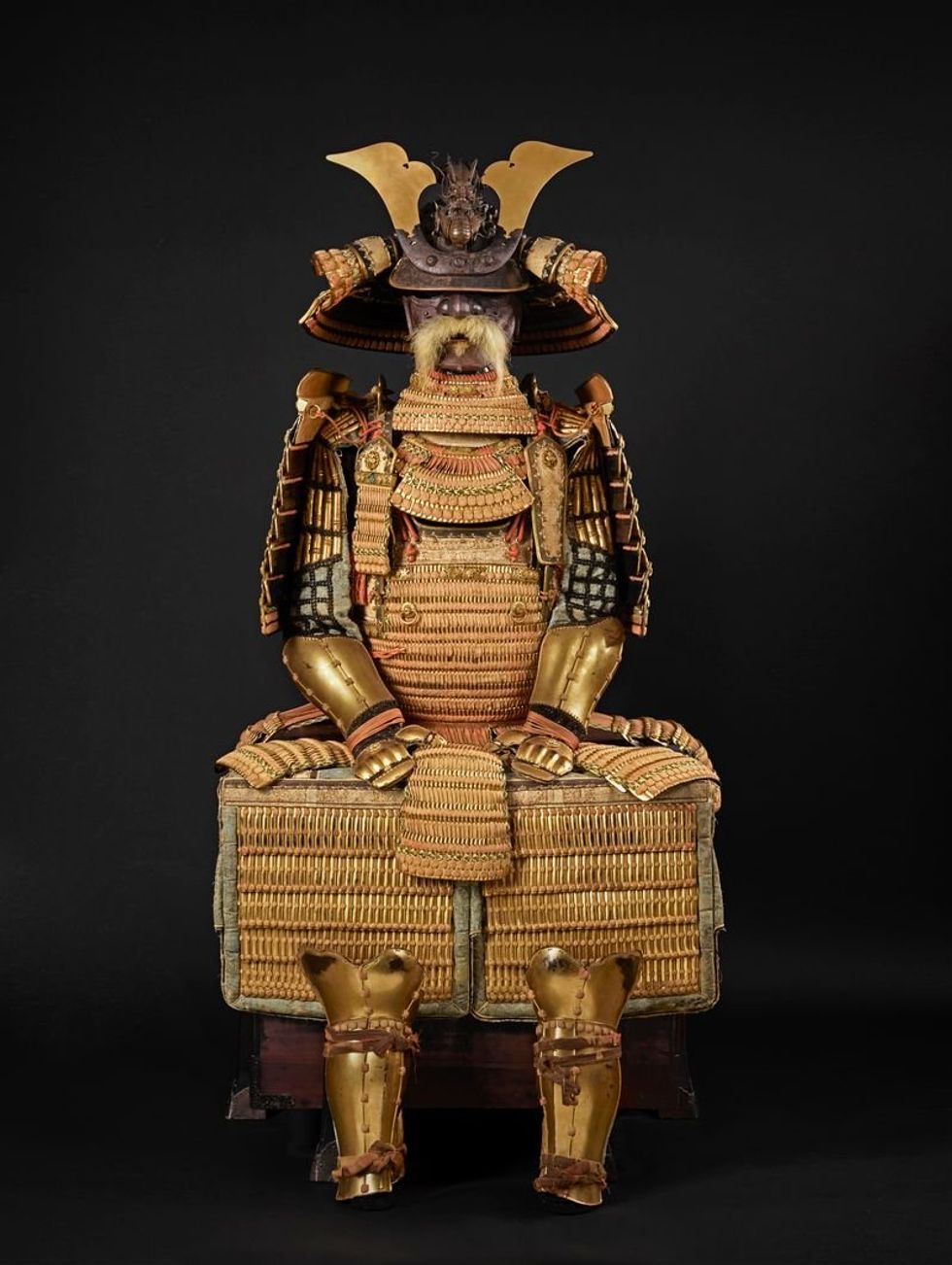
The Samurai first emerged during Japan's early medieval era
|BRITISH MUSEUM
"There's a distance in time and space and a popular understand that can be easily consumed, and a description that be easily understood is what spreads," she told The Independent.
"Hollywood movies and imagery gets spread around the world and that become fixed as people's ideas but historians know that when you dig beneath the surface, you find something quite different.
"There's a little grain of truth in it but it gets exaggerated."
The exhibition will be on display at the museum until May 4.
Our Standards: The GB News Editorial Charter
More From GB News