









A man whose conviction for setting fire to a Koran was overturned faces such severe ongoing danger that the Home Office has agreed to house him in protected accommodation, the High Court heard on Thursday.
Hamit Coskun, who burned the Islamic holy book during a demonstration in west London last year, has received multiple death threats and been subjected to violent attacks since the incident, according to submissions made to Mr Justice Linden.
The Government department has acknowledged that Mr Coskun confronts "exceptional and ongoing safety risk, including threats to his life, arising from his public act of protest," his barrister Iris Ferber KC told the court in written arguments.
The housing arrangement was confirmed after Mr Coskun initiated legal proceedings when officials initially reversed their decision to provide him with safe accommodation.
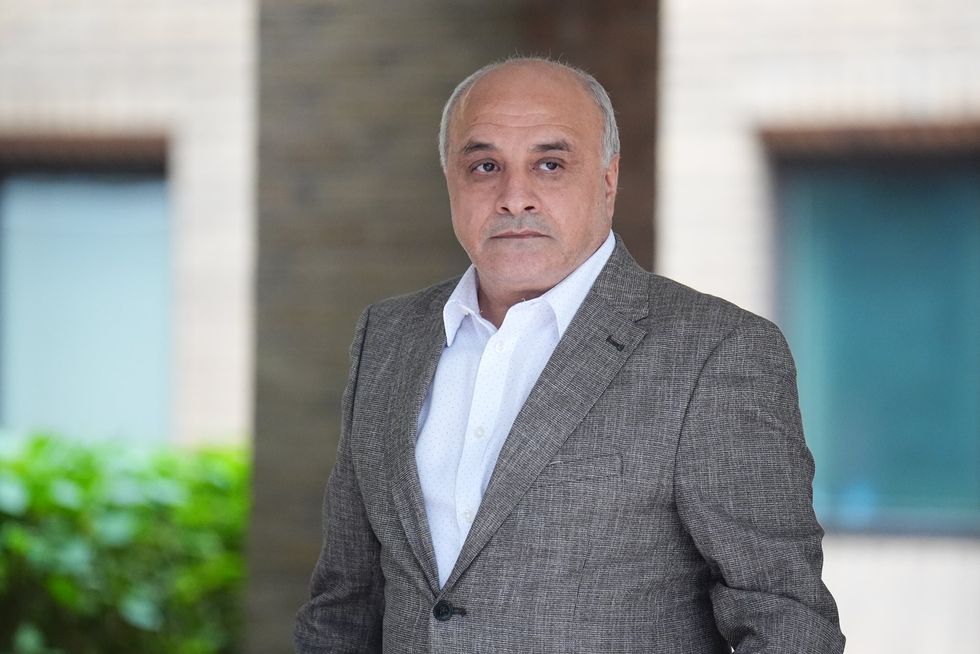
Hamit Coskun was convicted in June last year
|PA
Mr Coskun was convicted in June last year of a religiously aggravated public order offence after he held a burning Koran aloft while shouting anti-Islamic abuse at a protest in Rutland Gardens, Knightsbridge, on February 13, 2025.
District Judge John McGarva imposed a £240 fine, stating that the defendant harboured a "deep-seated hatred of Islam and its followers."
However, Southwark Crown Court overturned the conviction in October, with Mr Justice Bennathan ruling that free expression "must include the right to express views that offend, shock or disturb."
The judge emphasised: "There is no offence of blasphemy in our law."
LATEST DEVELOPMENTS
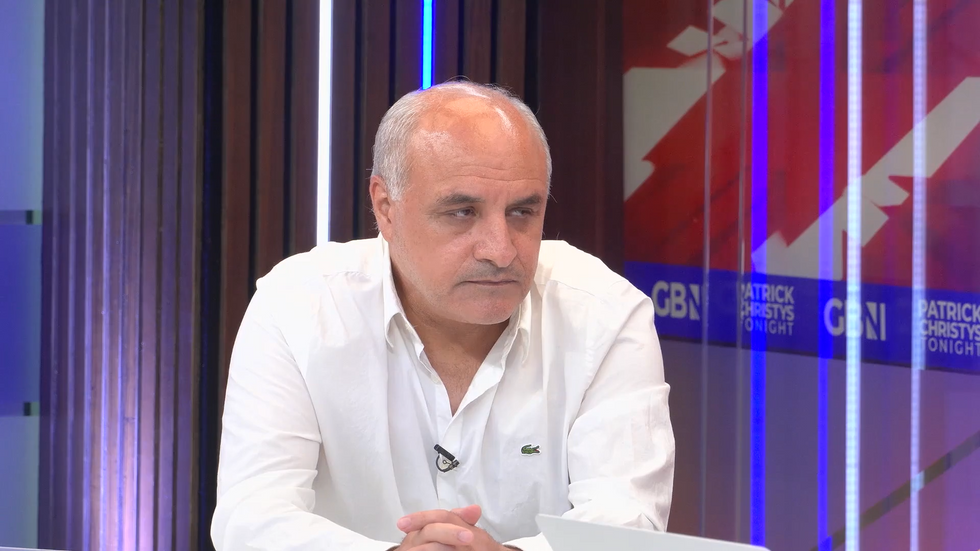
Hamit Coskun spoke to GB News following his conviction
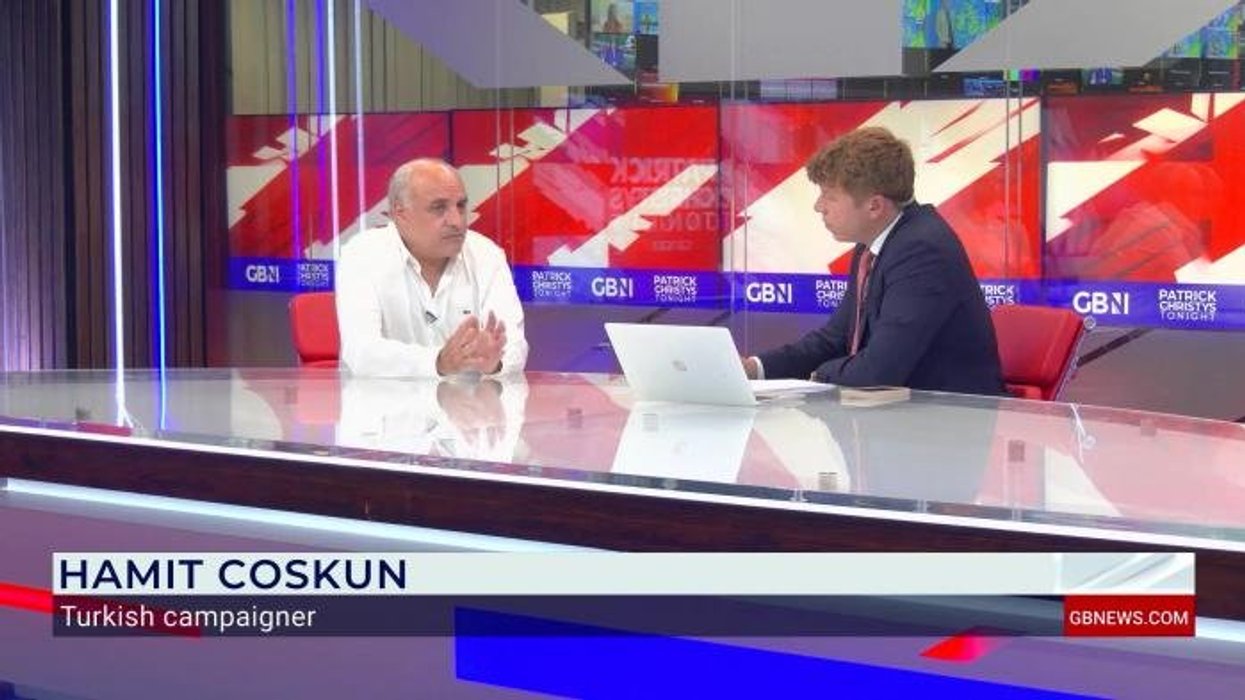
| GB NEWSDespite this victory, the Crown Prosecution Service has confirmed it intends to challenge the appeal court's decision, meaning Mr Coskun's legal battle continues.
Mr Coskun has been supported by the Free Speech Union throughout the legal proceedings, including if the CPS challenges the court's decision.
The accommodation will be self-contained and situated in an urban area in southern England, positioned away from communities that might consider Mr Coskun's actions blasphemous, according to the December agreement between the parties.
Mr Coskun requested housing under section 4 of the Immigration and Asylum Act 1999, which permits the Home Office to provide accommodation to asylum seekers subject to specific conditions.
Officials initially approved the arrangement on 1 December but reversed their position on 8 January, prompting Mr Coskun to pursue judicial review proceedings.
 Hamit Coskun set fire to a copy of the Muslim holy book outside the Turkish consulate in London | PA
Government lawyers told Thursday's hearing that the department had withdrawn its January reversal and located a suitable property meeting all the specified requirements.
William Irwin, representing the Home Office, stated that following this withdrawal, the legal claim had become "academic."
Mr Coskun, who was born in Turkey and has Kurdish and Armenian heritage, describes himself as an atheist and has applied for asylum in the United Kingdom, with his claim still pending determination.
In quashing the original conviction, Mr Justice Bennathan observed: "Burning a Koran may be an act that many Muslims find desperately upsetting and offensive. The criminal law, however, is not a mechanism that seeks to avoid people being upset, even grievously upset."
The original trial judge had dismissed suggestions that the prosecution represented an attempt to revive or expand blasphemy legislation.
Laws against blasphemy were abolished in England and Wales in 2008, with Scotland following suit in 2021, though such offences remain on the statute books in Northern Ireland.