










Nearly eight out of 10 Gen Z workers have phoned in sick to their jobs simply because they felt too tired, a new survey by sleep health company Resmed has revealed.
The research found the phenomenon particularly prevalent among the under-30s demographic, with around two-thirds admitting they take fatigue-related absences on multiple occasions throughout the year.
Overall, the poll discovered that 67 per cent of British workers have taken what has been dubbed a "kip sickie" at some point during their careers, highlighting a widespread issue with tiredness affecting workplace attendance across the country.
The tendency to take tiredness-related sick days diminishes significantly as workers get older, according to the poll's findings.
TRENDING
Stories
Videos
Your Say
Although, roughly two-thirds of Millennials, those currently in their 30s to early 40s, also admitted to having pulled a kip sickie.
This figure drops considerably among Generation X employees aged in their late 40s to 50s, where only 39 per cent confessed to the practice.
Baby Boomers proved the most resilient, with just 23 per cent of workers in their 60s and 70s acknowledging they had ever taken time off due to exhaustion.
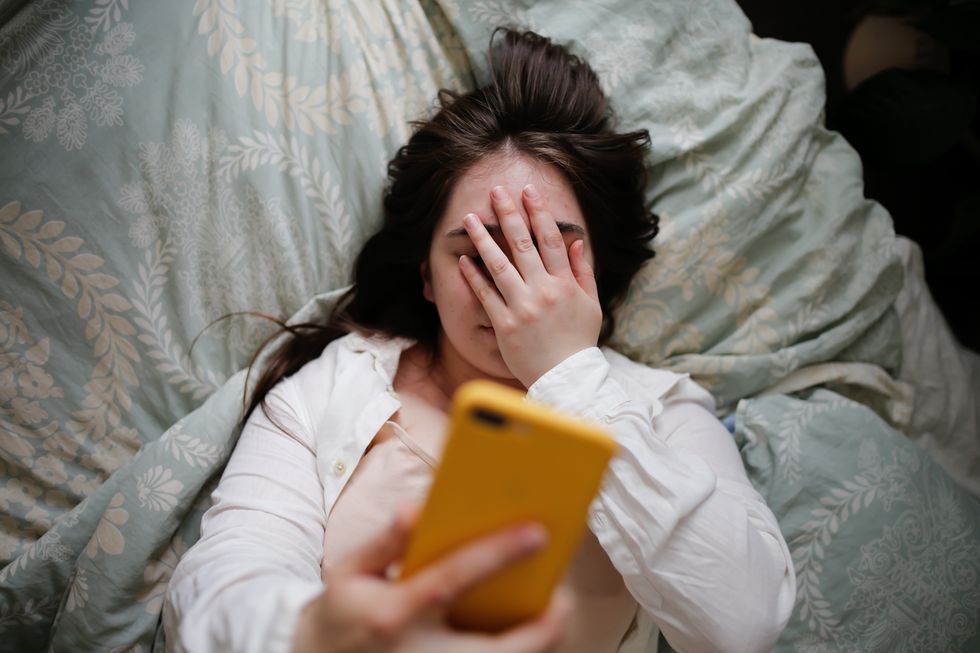 Eight in 10 Gen Zs have called in sick to work because they were tired, new poll finds | GETTY
The findings coincide with the rise of "Rot days" - a TikTok phenomenon where users spend time watching television in bed without actually sleeping.
Sleep expert Joshua Piper attributed the trend to changing attitudes, stating: "Insufficient sleep costs the economy £40billion annually through lost productivity and absenteeism.
"People calling in sick to work because they're too tired may come back to two factors - prevalence and awareness.
"Many people are experiencing persistent sleep deficits, and they may be more willing to acknowledge and act on them."
LATEST DEVELOPMENTS
According to Office for National Statistics data, Britain loses 148.9 million working days annually to sickness, averaging 4.4 days per employee.
Meanwhile, separate research from the Chartered Institute of Personnel and Development indicated that merely a quarter of employers believe under-25s arrive adequately prepared for working life, with 56 per cent finding Gen Z more challenging to manage than older colleagues.
Additional research has revealed more than 70 per cent of Gen Z report experiencing burnout, with nearly one-in-two saying they feel drained “most of the time,” even without traditional adult responsibilities.
Gen Z spends an average of seven hours a day on screens, not counting school or work - an invisible workload that never lets their brain rest.

Britain loses 148.9 million working days annually to sickness, averaging 4.4 days per employee
| GETTYOne reason researchers evidenced for the findings was that Gen Z is the first generation raised entirely in the digital world, flooded by an endless stream of news, memes, messages, and micro-crises.
Additionally, social media turned life into a stage, from finances to appearance and social status, everything is compared, rated, and judged publicly, breeding feelings of guilt for lack of productivity when resting.
Another reason cited was the fragility of the world at large - with unstable economies, wars, and the rise of AI, Gen Z grew up with global threats that to many fuel worries of an uncertain future.
Each new generation faces scrutiny as they enter the workforce, which some experts argue has been intensified for Gen Z.
According to industry experts, many Gen Zers are experiencing disillusionment with the institutions that they deem to have failed them.
Adam Grant, an organisational psychologist at Wharton Business School, said: "Every generation tends to complain about the one next to us. Everyone used to hate millennials, and now it’s gen Z.
“We tend to compare the younger generation to our current selves, which is a mistake, because most people are more narcissistic and self-centered at age 20 than they are at age 40. That’s part of development and maturity."