








GCSE pupils studying languages could be taught how to say "non-binary" as part of reforms to the curriculum.
The traditional approach to teaching French, German and Spanish by preparing students for hypothetical scenarios, such as requesting directions to the nearest train station, has dominated classrooms for years.
But new lesson plans now available for teachers move away from the topic-driven approach, and instead adopt one that is language-driven.
Pupils will be taught to continuously come back to words they have learnt and combine grammar in different ways to ensure they communicate with fluency and flexibility.
TRENDING
Stories
Videos
Your Say
Among the list of most common words and phrases in German which pupils could be taught are 'lesbian, non-binary, to lose weight and boring,' The Times reports.
In French, the list includes 'left-wing, right-wing, protest, Eid and diversity', while in Spanish, common words include 'diet, gender and conflict'.
Oak National Academy, which is sponsored by the Department for Education, has provided curriculum resources to help pupils remember language and apply it in any situation.
Alice Harrison, head of modern foreign languages at the independent public body, told The Times: "We've focused on giving pupils the foundations they really need - the most useful, high-impact vocabulary.
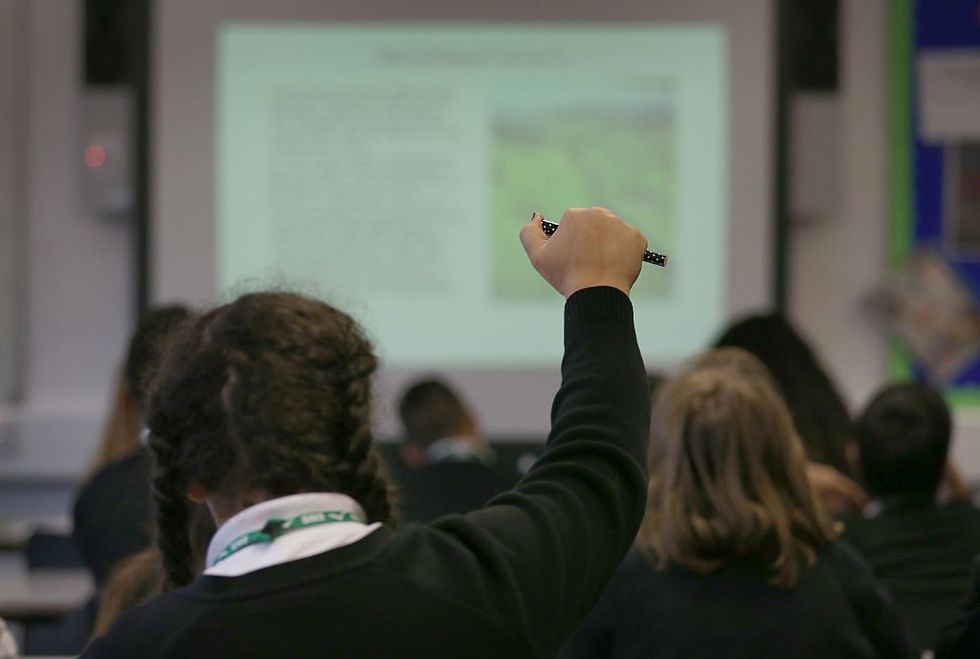
An updated curriculum on offer to teachers takes on a language approach
|GETTY
"That's why in one of our very early lessons 'je suis' trumps 'je m'appelle'.
"It can still be used to introduce your name but it also unlocks a whole world of things pupils can say about themselves."
There has been a national decline in language study since 2004, when studying GCSE languages ceased to be compulsory.
It remains a statutory entitlement area, meaning students should still have the option to study a language as one of their GCSE subjects.
LATEST DEVELOPMENTS:
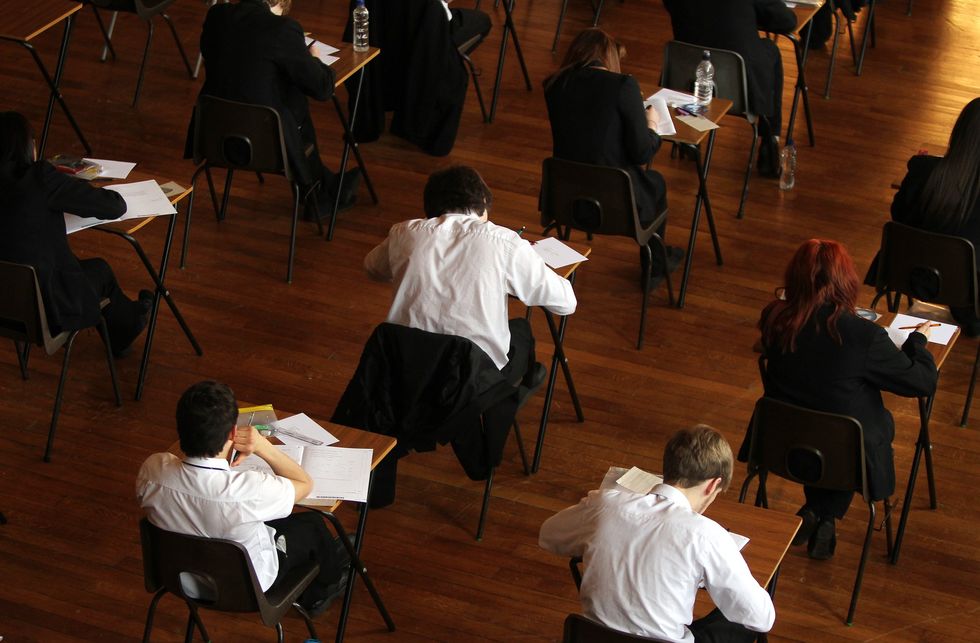
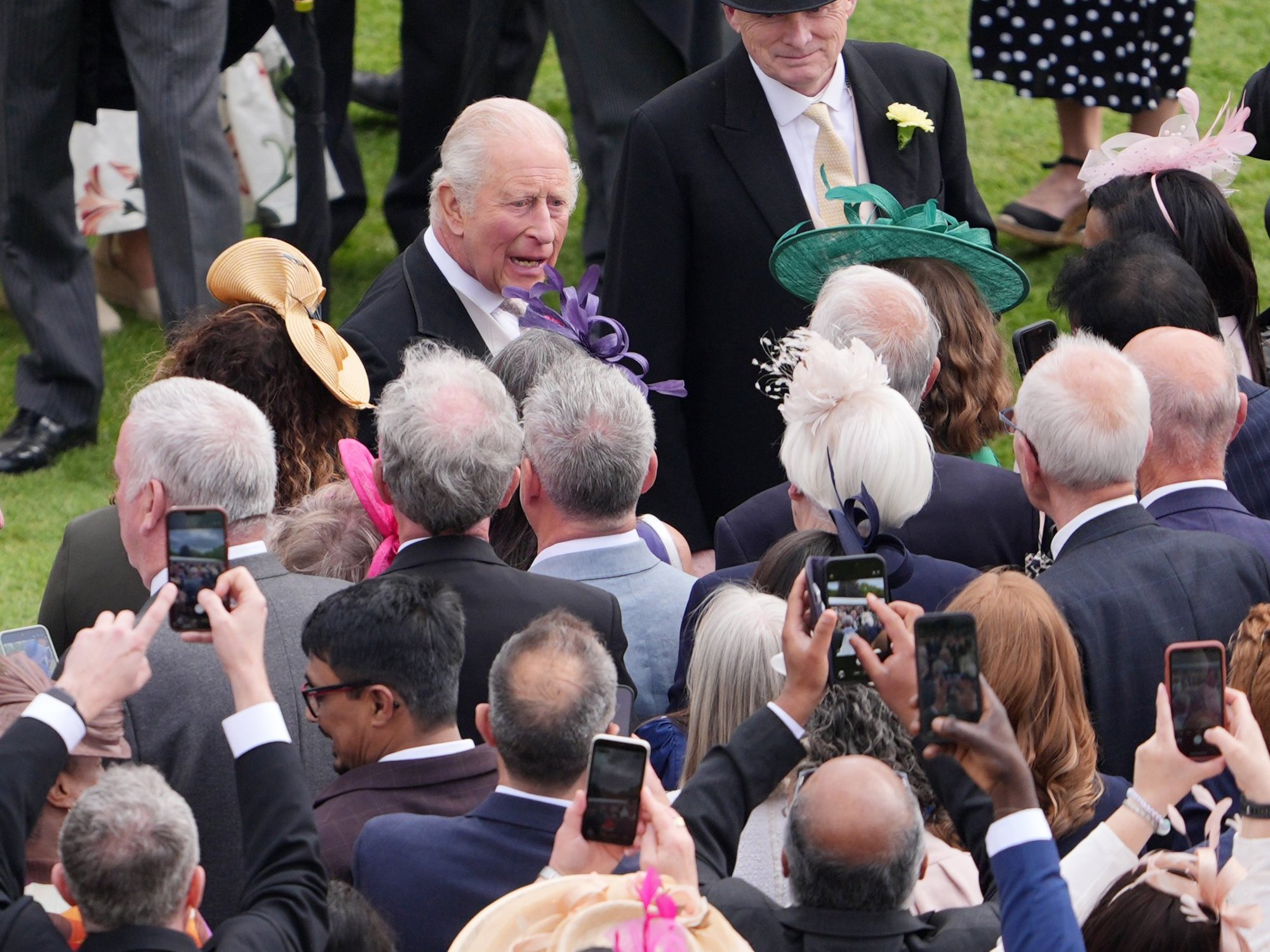
Studying GCSE languages ceased to be compulsory in 2004
|PA
A study earlier this year revealed just 45.7 per cent of eligible students in England took a language GCSE in the academic year 2023-2024.
By contrast, 97.9 per cent of upper secondary students in the EU study at least one foreign language, according to the study by Cambridge University.
The research further showed pupils from disadvantaged backgrounds are more likely to attend schools where learning a foreign language to GCSE level is considered optional rather than a core subject.
The study of 615 state schools in England found that poorer students are disproportionately concentrated in schools that deprioritise language learning.
The research indicated a seven per cent gap between the proportion of disadvantaged students at schools where languages were optional at GCSE (29 per cent of all students), and at schools where they were considered “core” (21.3 per cent of all students).
Dr Karen Forbes, associate professor in second language education at Cambridge’s Faculty of Education, said: “It seems obvious, but surely all children should have the same opportunity to learn a language.
“In practice, for less wealthy students, these subjects are often de-emphasised.
“If this is not addressed, the national decline in language learning will continue and probably accelerate.”
Our Standards: The GB News Editorial Charter
More From GB News