









Motorists across the UK have been urged to ensure their number plates meet the legal standard ahead of the new registration series launching in a few weeks.
The new "26" signifier plates will be released from March 1, with experts warning that drivers with non-compliant registrations could face penalties of up to £1,000.
The warning follows a tougher Government proposal currently under consideration as part of the new Road Safety Strategy, which would introduce significantly harsher consequences for drivers breaking key licence plate regulations.
The planned crackdown aims to tackle the increasing prevalence of illegal registrations, particularly the growing number of "ghost plates" which have been altered to avoid detection by Automatic Number Plate Recognition systems.
TRENDING
Stories
Videos
Your Say
Speaking in the House of Lords, Transport Minister Lord Hendy said the Government recognises the urgency and importance of tackling the use of illegal number plates designed to evade enforcement cameras.
He added: "The DVLA is working hard with the police, other enforcement agencies and the industry to address the manufacture and misuse of such plates. This includes tightening application, inspection and audit processes for number plate suppliers.
"In the recently published Road Safety Strategy, the Government have set out proposals for reviewing standards, tougher enforcement, tougher penalties and the potential use of AI to help stamp out illegal plates."
While the Government aims to tackle the issue, industry experts stated that many vehicle owners may be unaware that their current plates may fail to meet DVLA standards, putting them at risk of substantial fines.
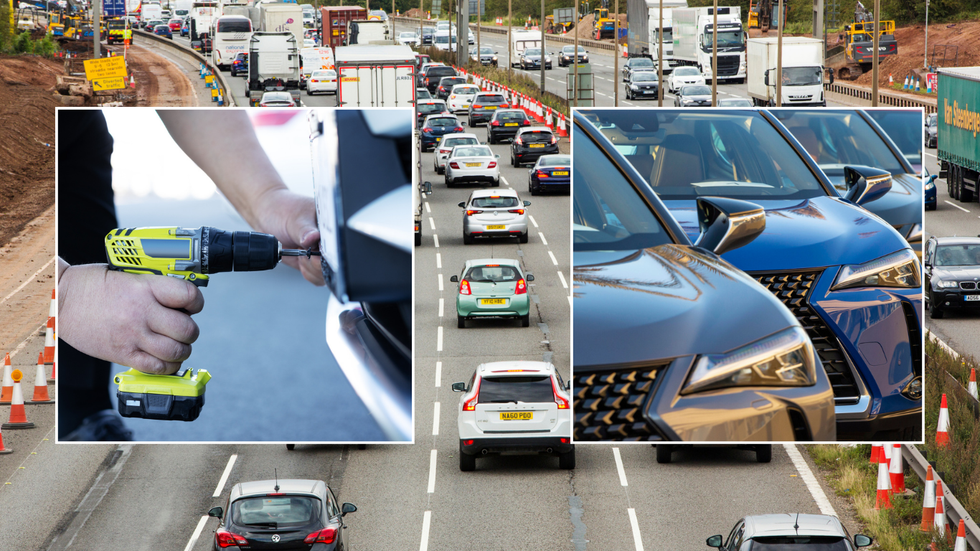 Drivers have been warned that failing to follow the number plate rules can result in a £1,000 fine | GETTY
Vehicle registration plates in the UK must follow specific rules established by the DVLA. Front plates are required to display black characters on a white reflective background, whilst rear plates must feature black lettering against yellow.
Meanwhile, a standardised typeface has been mandatory since September 2001, replacing previously permitted italic and decorative styles that proved difficult to read.
The plates themselves must also be constructed from durable, reflective materials that meet official standards.
Every plate fitted since September 1, 2021, will also need to carry the British Standard number BS AU 145e, along with the manufacturer or supplier's name and postcode.
LATEST DEVELOPMENTS
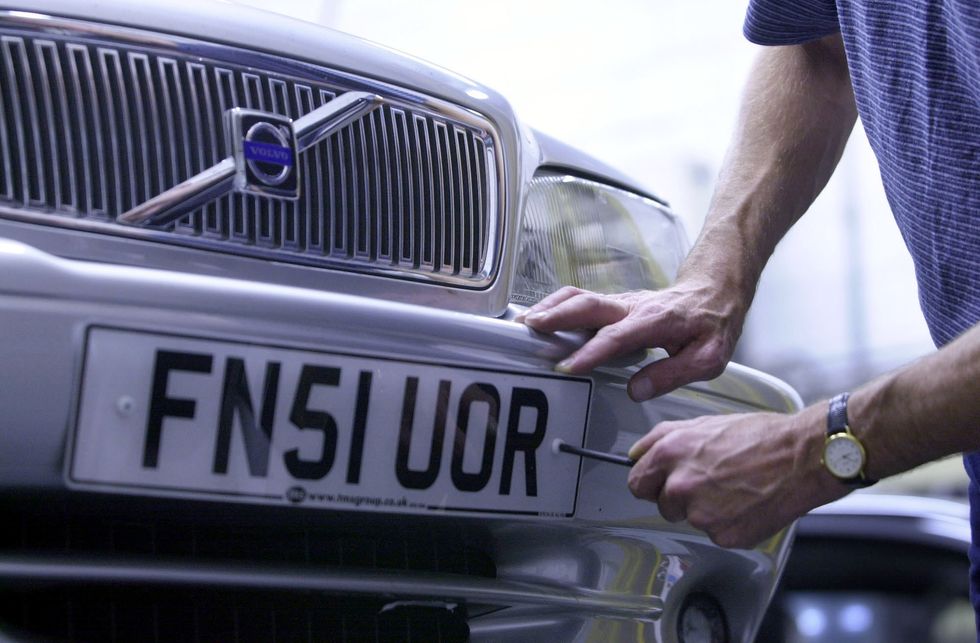 The Road Safety Strategy will look at introducing tougher penalties for ghost number plate users | PA
Characters on the plate cannot be removable or have a reflective finish, though raised 3D lettering is permitted under certain conditions.
However, while vehicles displaying 3D characters remain legal, the raised letters must be black and cannot feature any reflective coating.
Bulbs must produce white light only, with tinted blue or coloured lenses strictly prohibited, while aftermarket tinted LED covers are forbidden under current regulations.
The illumination needs to spread evenly across the entire plate surface without creating shadows, and the bulbs themselves should not be visible when the lights are on.
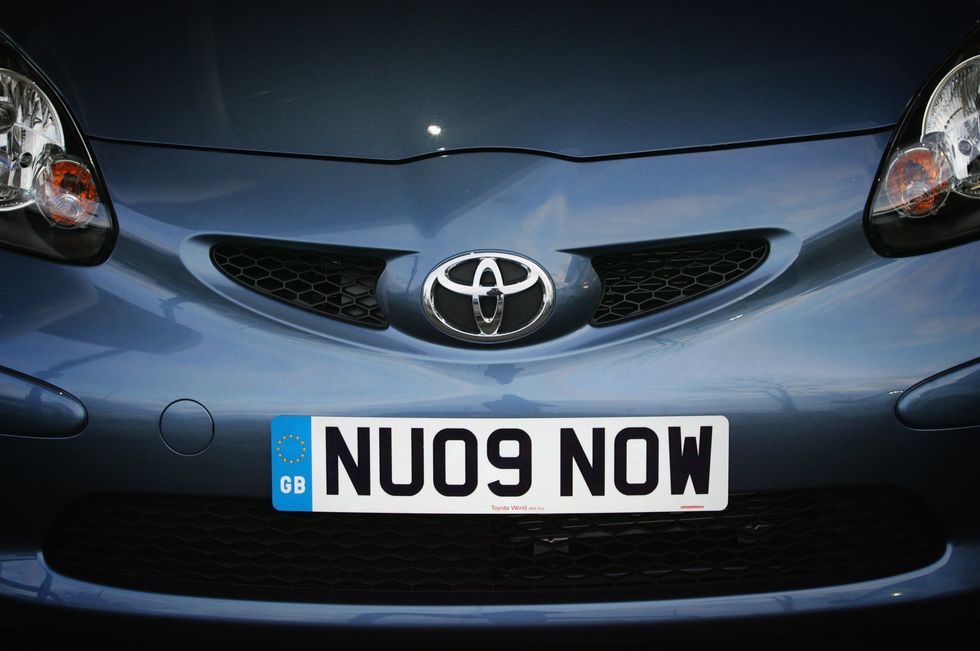
The new '26' and '76' number plates will be released in March and September this year
| GETTYGraham Conway, managing director at Select Car Leasing, warned that drivers must exercise particular caution when replacing light bulbs near their registration plates to avoid inadvertently breaching these rules.
The Government's proposed measures would see updated penalties that extend beyond financial sanctions. Drivers caught with illegal plates could receive points on their licence, while the DVSA would gain powers to seize vehicles displaying non-compliant registrations.
Mr Conway advised motorists to purchase replacement or customised plates exclusively from suppliers registered with the DVLA who adhere to official guidelines.
"It's important for drivers to understand the nuances of what's required for their licence plates, as even the smallest modifications could make it illegal," he said.