











A council has issued a health warning while coastal hedgerows are overrun with potentially fatal caterpillars.
East Devon council has alerted walkers across Devonshire coast that brown-tail moth larvae could trigger severe reactions after a surge in numbers was spotted in Budleigh Salterton.
The creepy-crawlies' two million sharp follicles have a toxin which can cause intense allergic reactions when it pierces the skin - or is inhaled.
The microscopic hairs can cause allergies, eye irritation or asthma.
TRENDING
Stories
Videos
Your Say
The council further warned the caterpillars could weave web "tents" on bramble, which has already been spotted in Budleigh near Steamer Steps.
Children and dogs are encouraged to stay away from the affected bramble, which will have a warning sign, the council confirmed.
The larvae are often seen covering Britain's common hedgerows, including blackthorn, hawthorn and scrubby plants.
Brown-tail larvae have a strong affinity for bramble plants.
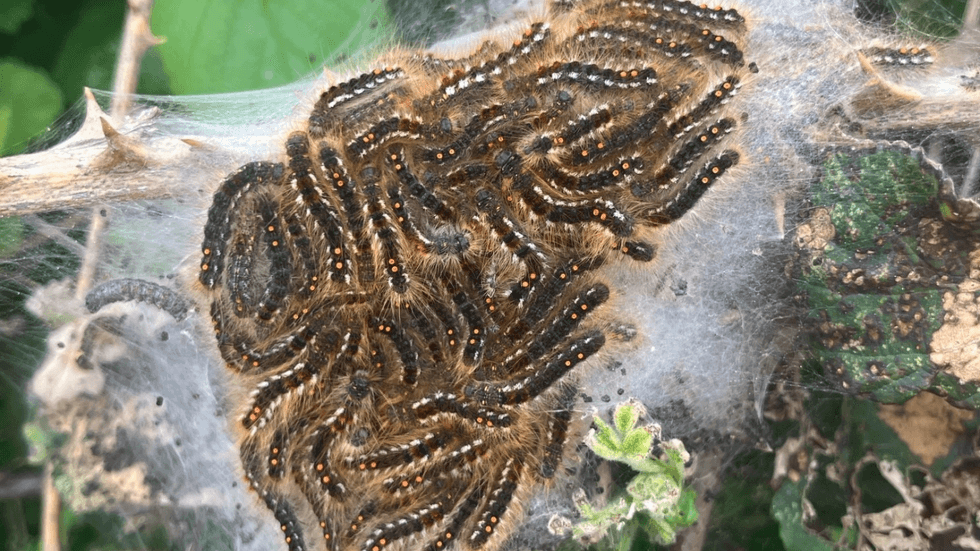
Brown-tail moths tend to pupate in May and June
|EAST DEVONSHIRE COUNCIL
Sharing guidance, the council spokesman said: "There’s no need for alarm – just take sensible precautions – avoid touching caterpillars or their webbed nests/tents.
"Keep children and dogs away from affected bramble (we’ll be putting up warning signs on site).
"If you think you’ve come into contact with caterpillar hairs, wash the area with plenty of water. Seek medical advice if irritation persists or if you have breathing/eye symptoms.
"It’s also worth noting that [the] brown-tail moth is native to the UK and should not be confused with the oak processionary moth (an invasive species)."
LATEST DEVELOPMENTS:
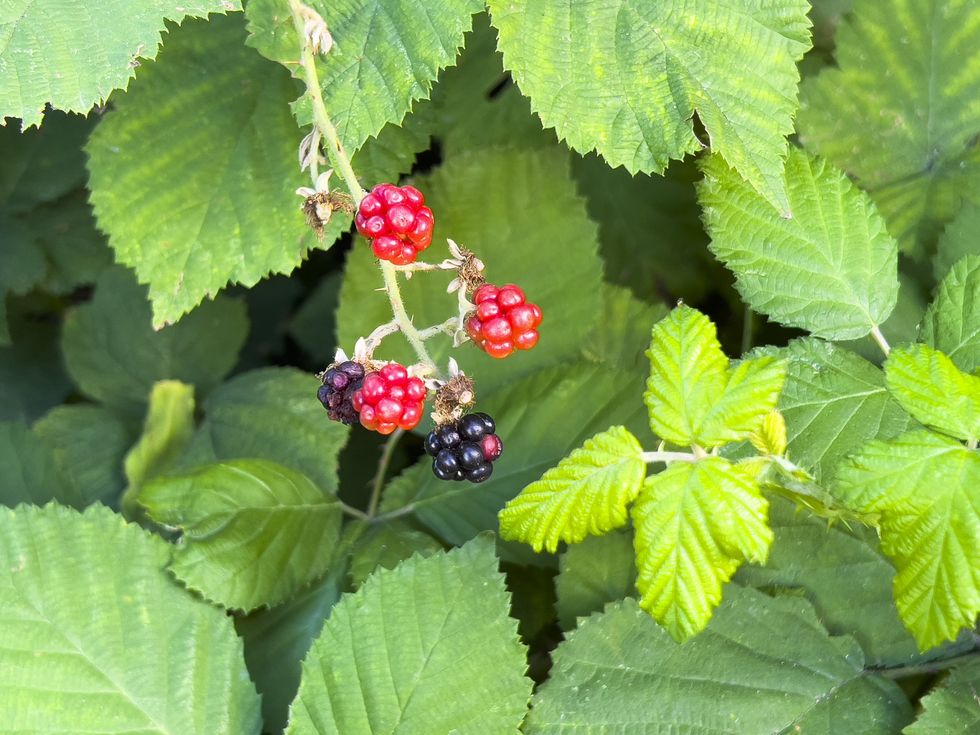
The offending larvae tends to whip up a 'tent' in bramble plants
|GETTY
The adult moth is harmless to Britons - while Devonshire residents are simply urged to take "sensible" precautions over the surge in larvae numbers in the area.
Local residents have been instructed to avoid touching the caterpillars, as well as their nests or "tents".
If irritation persists, it is necessary to seek medical attention.
Moths tend to pupate around May and June with adult formations appearing later in the summer around July and August - and then die after several days airborne.
The council added: "At this time, we are not planning to spray. Spraying typically involves pyrethroids, which can harm many beneficial insects and can also affect marine life.
"Thank you for helping to keep everyone (and our wildlife) safe. If you would like to report a particularly affected area, please message us."
They encouraged locals not to confuse the brown-tail moths, which are native to Britain, with the more powerful oak processionary moth (OPM) caterpillars.
Their powerful caterpillar counterparts have previously infested part of London and Buckinghamshire.