






D-Day veteran Dorothea Barron has spoken to GB News about her brave service as commemorations of the momentous campaign began in Normandy.
The 101-year-old was among those taken across the Channel by the Taxi Charity for Military Veterans to attend the 82nd anniversary.
Sitting down with Charlie Peters in the back of the cab, Mrs Barron reflected on her service and the impact of the war.
During the conflict, she served as a visual signaller in the Women's Royal Naval Service, known as the Wrens.
Mrs Barron joined the service aged 18, lying about her height to gain entry, and was posted to Scotland to teach men bound for Normandy how to use flags for communication, known as semaphore signalling.
“We suddenly felt that it had been worthwhile giving up our youth, our years as teenagers,” the 101-year-old began.
“Everybody was so friendly in those days. We had one purpose in life: to free the world from Nazism and get on with enjoying life.”
Delving into the sober realities of that task, she explained that all those who served understood it could cost them their life.
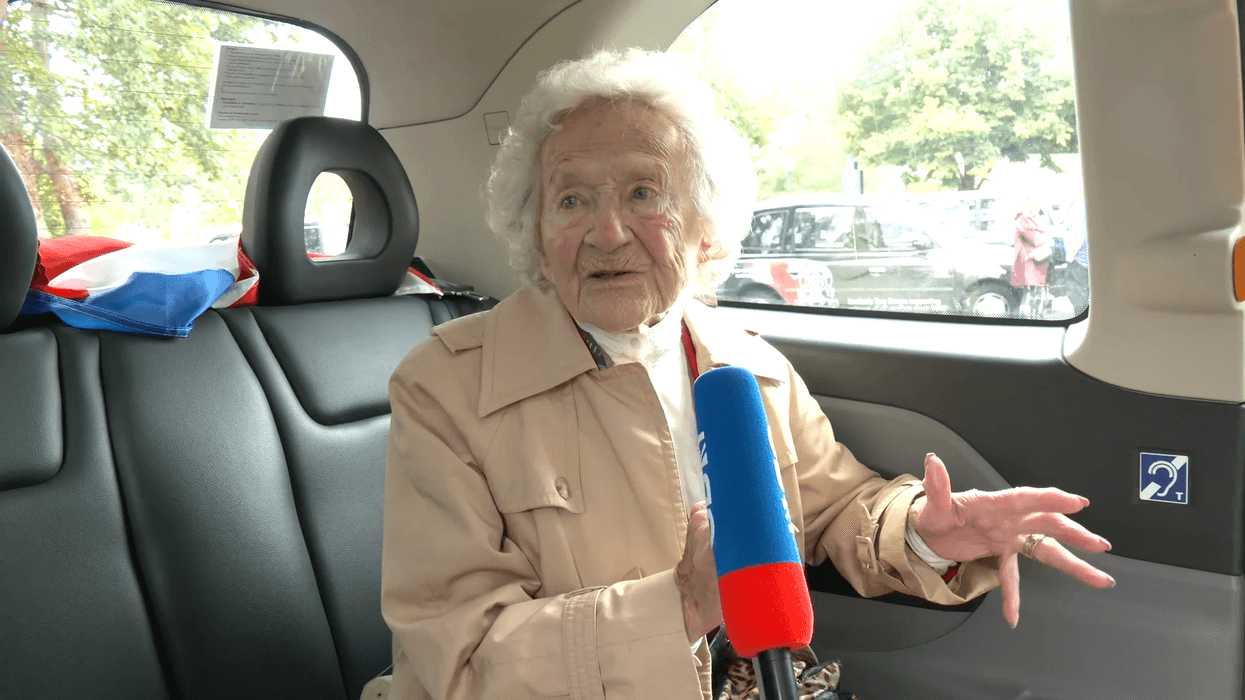
D-Day veteran Dorothea Barron spoke to GB News during commemorations of the campaign
|GB NEWS
“It was naturally assumed that everybody would willingly do it, do their bit for England.
“And they would have been,” Mrs Barron stressed.
The veteran celebrated commemorations like the one she was attending as a way to stay connected with those who had served.
“It's so nice now that there's (an opportunity) to see if any of us are left. Poor old dears.
LATEST DEVELOPMENTS
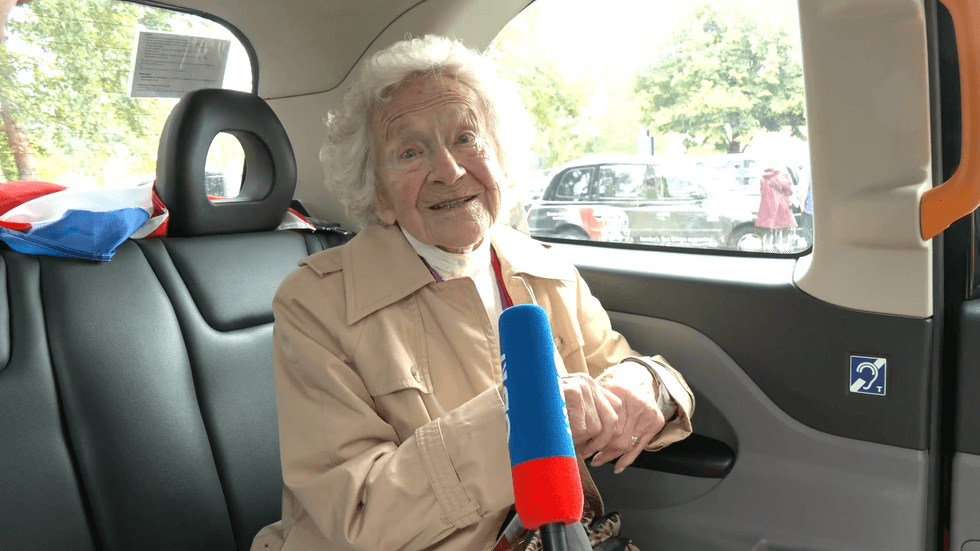
'We had one purpose in life: to free the world from Nazism and get on with enjoying life,' Mrs Barron said
|GB NEWS
Mrs Barron added that it was also a chance to discuss the conflict with younger generations.
“We could get together and talk about it. After the war, you simply didn't mention it. It went out of everybody's consciousness.”
The veteran also shared that the service and its remembrance gave women in Britain a chance to emerge on the national stage.
“It's marvellous because for years after the war ended, nobody knew that women had even done anything during the war.
“They suddenly discovered that, good heavens, women have got brains.
She added: “They can think for themselves and for the country, and we weren't being put down any longer.”