

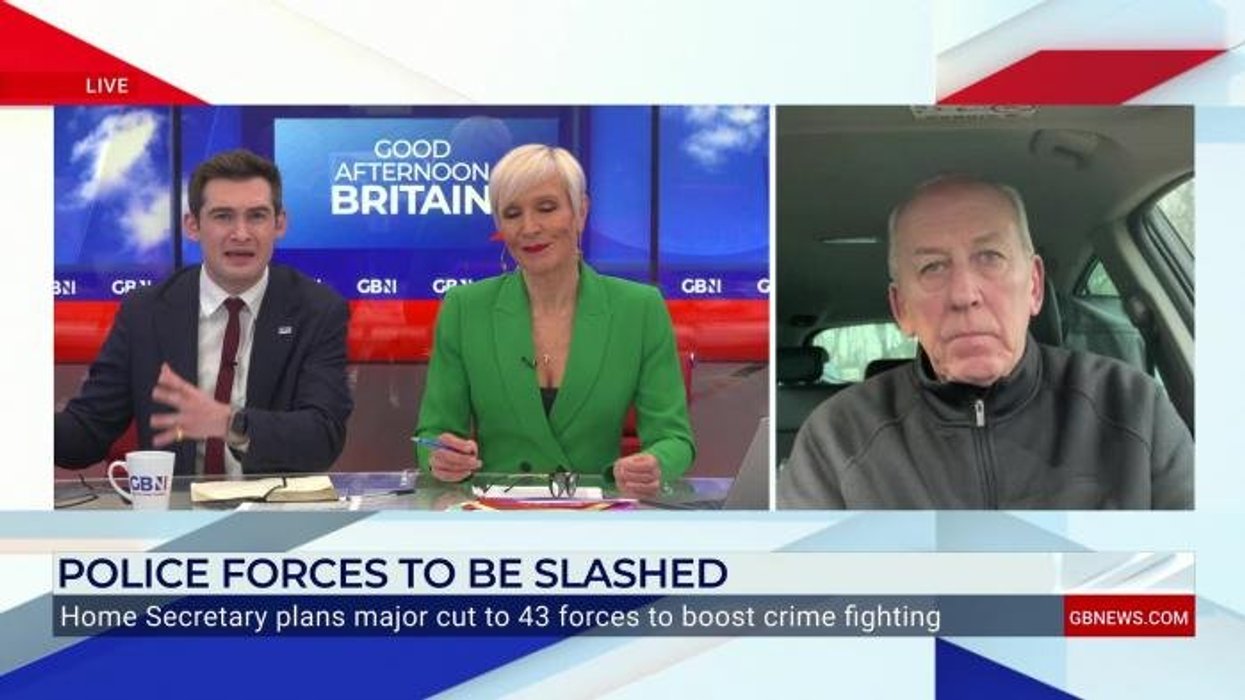







Former Scotland Yard detective Peter Bleksley has hit out at what he called “out-of-touch” police bosses, warning excessive bureaucracy is draining frontline policing and leaving communities without the bobbies they want to see on the beat.
Speaking during a discussion on proposed police force mergers, Mr Bleksley said the public are being let down by senior officers who spend their time behind desks, with too many police tied up in non-public-facing roles instead of stopping crime and arresting offenders.
His comments come as it has been revealed the Government is preparing to overhaul policing in England and Wales, with plans to slash the number of police forces in what insiders describe as the biggest shake-up in decades.
Home Secretary Shabana Mahmood is expected to set out the proposals next week, pledging to significantly reduce the current total of 43 forces and refocus policing efforts on tackling serious and organised crime.
TRENDING
Stories
Videos
Your Say
Speaking about the plans on GB News, Mr Bleksley said: "Home Secretary Shabana Mahmood says the reforms will mean more officers on the streets, more police stations open in towns and cities, and safer communities. If that were genuinely delivered across the country, it would be welcome news.
"However, recent headlines have highlighted how many officers are currently tied up in non-public-facing roles. There is simply too much bureaucracy.
"Senior police chiefs, many of whom spend their careers behind desks, are often defenders of those desk-based roles — but the public see things differently.
"The public want police they know, police they can contact, and local officers they can trust on the streets, stopping crime and arresting offenders. That is the kind of policing the public want and deserve.
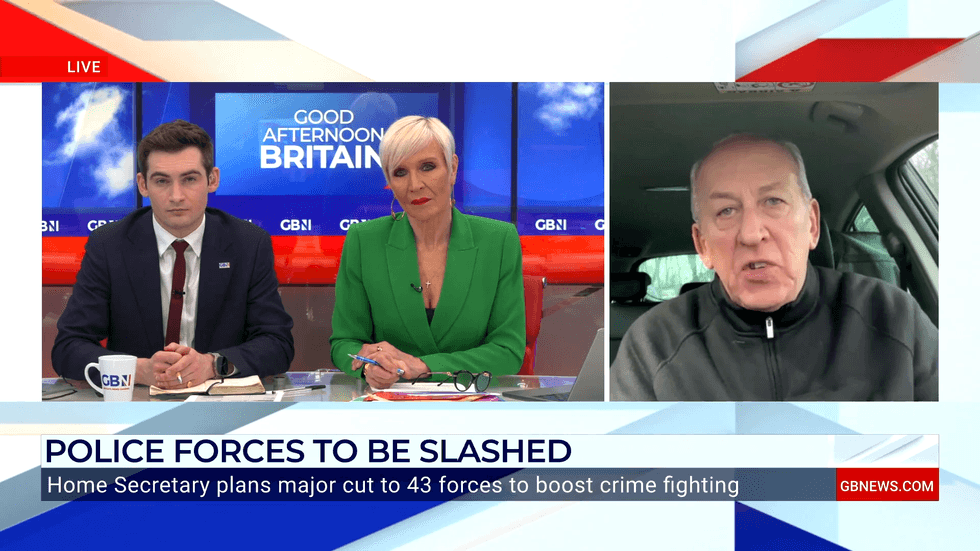
Former Scotland Yard detective Peter Bleksley has hit out at what he called 'out-of-touch' police bosses
|GB NEWS
"Neighbourhood policing remains hugely popular. There is strong evidence to suggest that the visible presence of police officers, simply walking the streets can deter crime on its own.
"The key question is whether this reorganisation can strike the right balance: focusing neighbourhood policing locally, while tackling serious and organised crime at a regional or national level or whether it risks becoming another top-down restructure.
"There have been successes. For example, Hertfordshire, Bedfordshire and Cambridgeshire merged their murder investigation teams, which has worked well.
"Criminals routinely cross county boundaries, while police systems often do not giving offenders an advantage.
LATEST DEVELOPMENTS
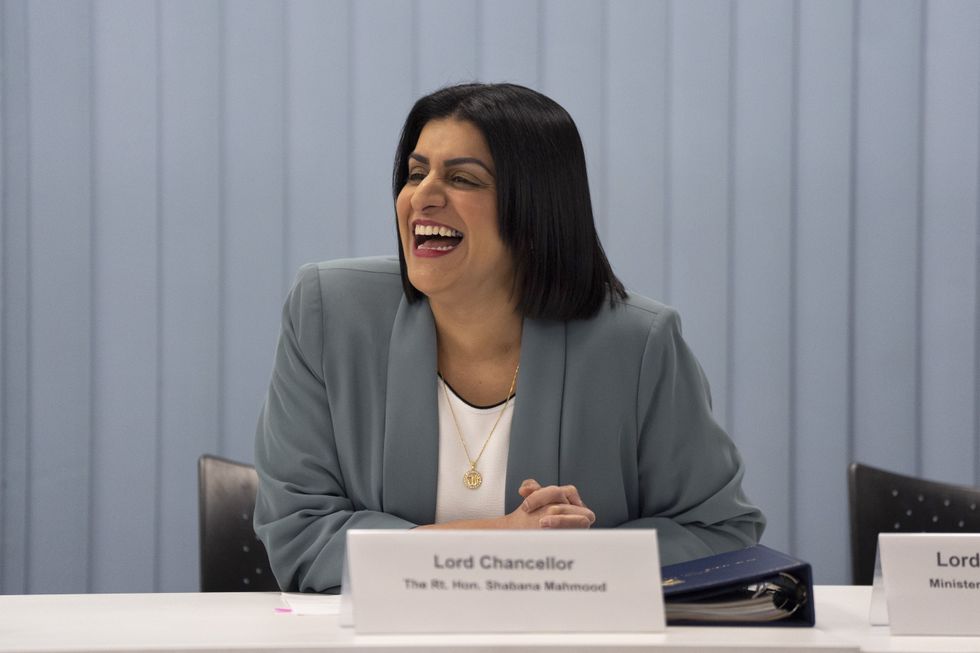
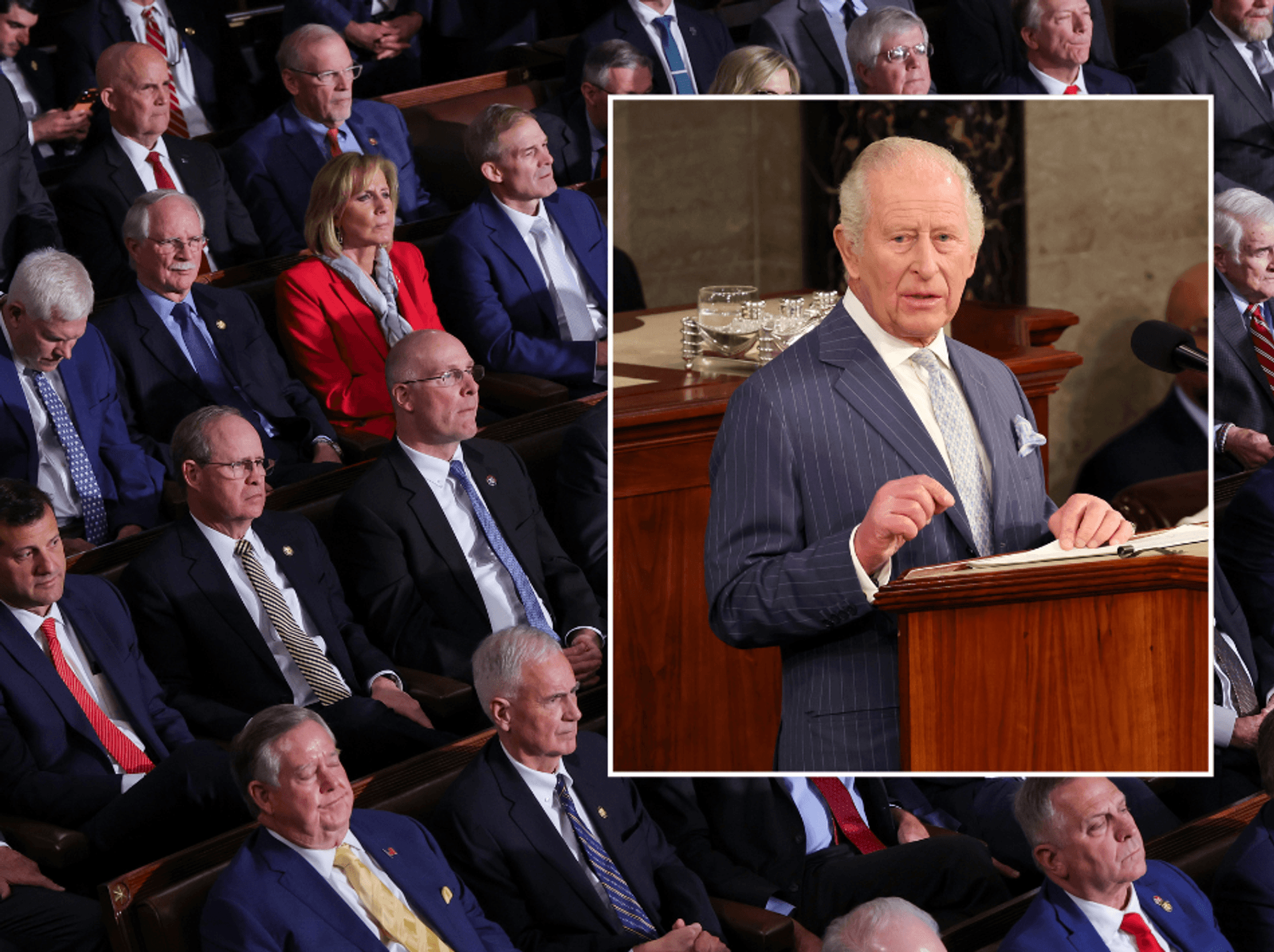
Shabana Mahmood is expected to say the new, larger forces must concentrate on serious and organised crime
| PA"Joined-up intelligence and coordinated operations against serious criminals could bring real benefits.
"But concerns remain. Senior officers shaped by the College of Policing and the National Police Chiefs’ Council, critics argue, are too detached from frontline reality.
"Decision-makers sitting in comfortable offices are increasingly disconnected from what the public want and need."
Mrs Mahmood is expected to say the new, larger forces must concentrate on serious and organised crime, including complex investigations such as murder and major drug offences.
Alongside this, ministers are set to unveil plans for Local Policing Areas, with dedicated officers focused on neighbourhood policing.
Under the proposals, Local Policing Areas would be established in every borough, town and city in England, tasked with working closely with communities and tackling what the Government describes as “local crime” including shoplifting, mobile phone theft and street-level drug dealing.
Government sources privately admit there is an “epidemic of everyday offences” going unpunished, arguing criminals have been emboldened by slow response times that leave victims waiting hours or even days for investigations to begin.
One Government source said: “Where you live should no longer determine the outcome you get from your local police force.”
Our Standards: The GB News Editorial Charter
More From GB News