









Councils across Britain are clamping down on mothers selling homemade brownies and cakes from decorated sheds in their driveways, demanding they obtain street trading licences costing as much as £1,000.
Colourful cake huts, which have become increasingly common in suburban areas, typically operate using honesty boxes or QR code payment systems, drawing queues of customers seeking cheap treats.
However, councils are now insisting these homemade bakery start-ups comply with the same regulations as traditional street vendors.
In Bassetlaw, Nottinghamshire, operators face potential fines of £1,000 if they continue trading without the required permit.
The district council claims some cake sheds generate annual revenues reaching £90,000, although many owners dispute this, claiming they earn just £60 to £100 per weekend.
Natalie Brook, a 37-year-old cake shed owner, temporarily closed her business in response to what she called "ridiculous" council policies and now awaits a crucial verdict from Bassetlaw councillors.
"I find it bizarre I can sell from my front door, but not from my shed, which is less than a metre away from my front door," she told the BBC.
"People can afford a couple of pounds on a cake, and if that is what they're using for a little treat during a cost-of-living crisis, then that's amazing, and I want to be a part of that."
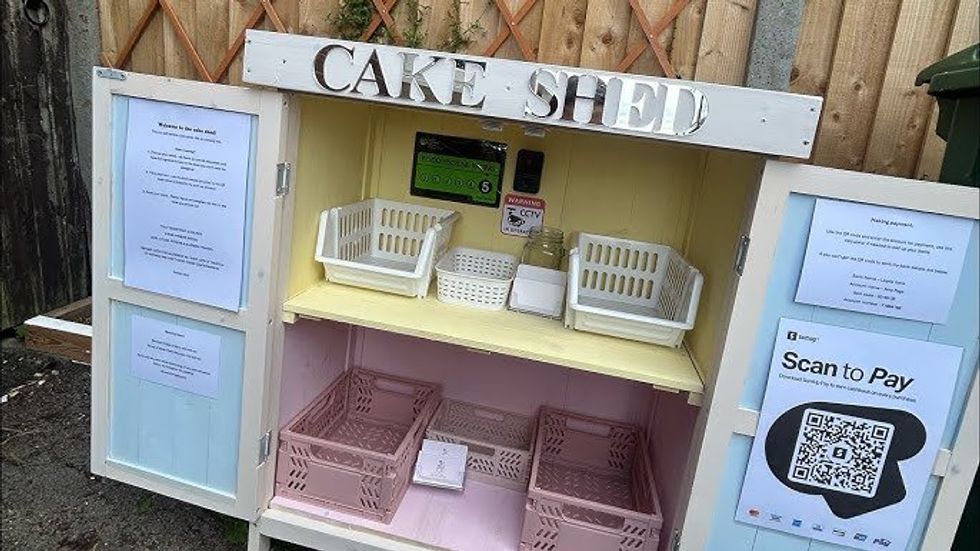
Cake huts operate using honesty boxes or QR code payment systems, drawing queues of customers
|YOUTUBE
Enforcement action in Bassetlaw was temporarily suspended last month, while councillors deliberate the intricacies of the new policy.
Over in Maidstone, Sarah Baker launched her cake shed last September hoping to supplement her income while caring for her parents at home.
"I was gutted really, because I thought, 'I work hard, I've got a good little thing and then I could lose that money, that little bit of income,'" she said.
Ms Baker typically earns between £60 and £100 each weekend from her baking venture, making her efforts financially redundant if she had to fork out for a lisence fee.
LATEST DEVELOPMENTS
"I'm devastated to be honest, because you work so hard and put your heart into it to try and build this," she added.
The mother is now challenging the proposed requirements, arguing operators selling from their own property should be treated differently from street traders.
Meanwhile, Mel Houston, a 51-year-old dementia carer from the village of Harrietsham, has already been forced to shut down amid the changes.
She had only begun selling baked goods from her garden shed a few months earlier, opening once per week on Sundays.

Cake shed operators typically earn between £60 and £100 each weekend from the baking venture
|GETTY
Despite holding a five-star hygiene rating, level two food safety and hygiene certification, and food safety allergen awareness qualifications, Ms Houston discovered she could still be fined for operating without a licence.
"It was a bit of a kick in the teeth," she said. "I shut it down straight away."
The carer described feeling deflated by the situation, describing her sympathy for residents, since the shed had "helped bring the community together".
Bassetlaw's licensing committee defended the inclusion of cake sheds in street trading policy, saying it "ensures consistency, fairness and public protection".
A spokesman said: "They function in the same way as traditional street trading units, and without regulation, they create an uneven playing field and reduce the ability to manage safety, location, and standards, and can lead to enforcement difficulties later on.
A Maidstone council spokesman acknowledged the current street trading policy was not designed with small-scale home-based businesses in mind and accepted it can appear disproportionate.
The council said it is actively reviewing its approach to ensure fairness while meeting legal obligations, with a current focus on providing advice rather than enforcement.
Our Standards: The GB News Editorial Charter