







The former head of UK counterterrorism policing has revealed a high-ranking civil servant dismissed the victim of novichok poisoning as a "drug addict".
Dawn Sturgess, a 44-year-old mother of three from Salisbury, died in 2018 after spraying herself with what she believed was perfume, but was in fact the deadly nerve agent.
Former counterterrorism chief Neil Basu describes the remark, made during a meeting attended by then-Home Secretary Sajid Javid and MI5 Director-General Andrew Parker, as "disgraceful" and "appalling".
The characterisation was entirely false, based on erroneous intelligence supplied by Wiltshire police, and is documented in Channel 4's three-part documentary series The Salisbury Poisonings, set to air from April 29.
TRENDING
Stories
Videos
Your Say
In the documentary, Mr Basu states: "After Dawn died, a very senior member of government said what I still think to this day is one of the most appalling things I've ever heard: 'Well thank God it's a drug addict'".
Ms Sturgess' partner Charlie Rowley had unknowingly given her the contaminated bottle, which had been discarded by Russian operatives four months earlier during their attempted assassination of former double agent Sergei Skripal and his daughter Yulia.
The public inquiry examining Sturgess' death received consistent testimony that she did not use drugs.
Her mother Caroline described her as "intelligent, funny, extremely selfless and very kind".
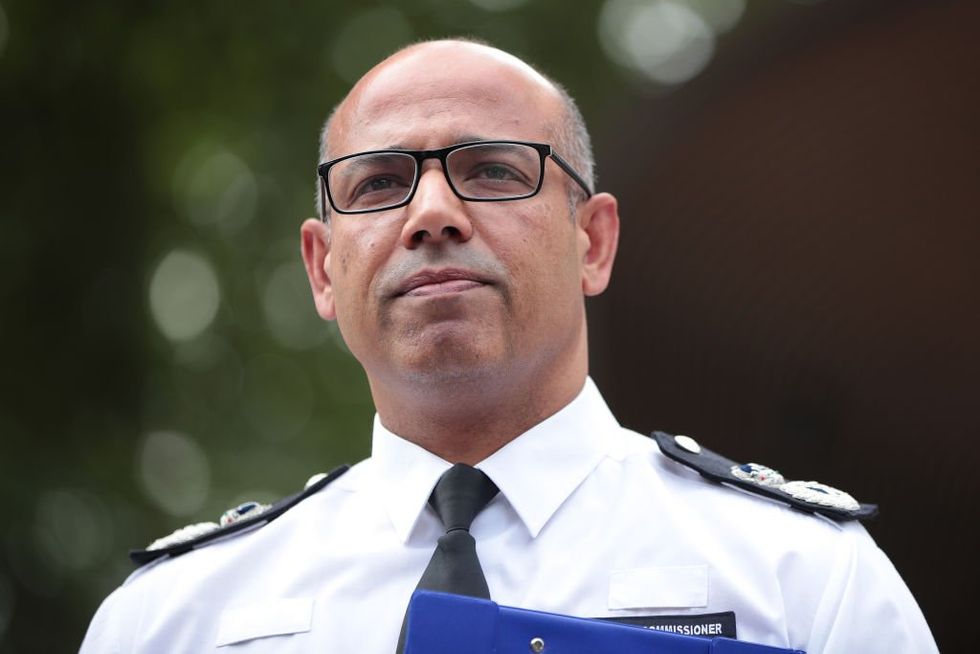
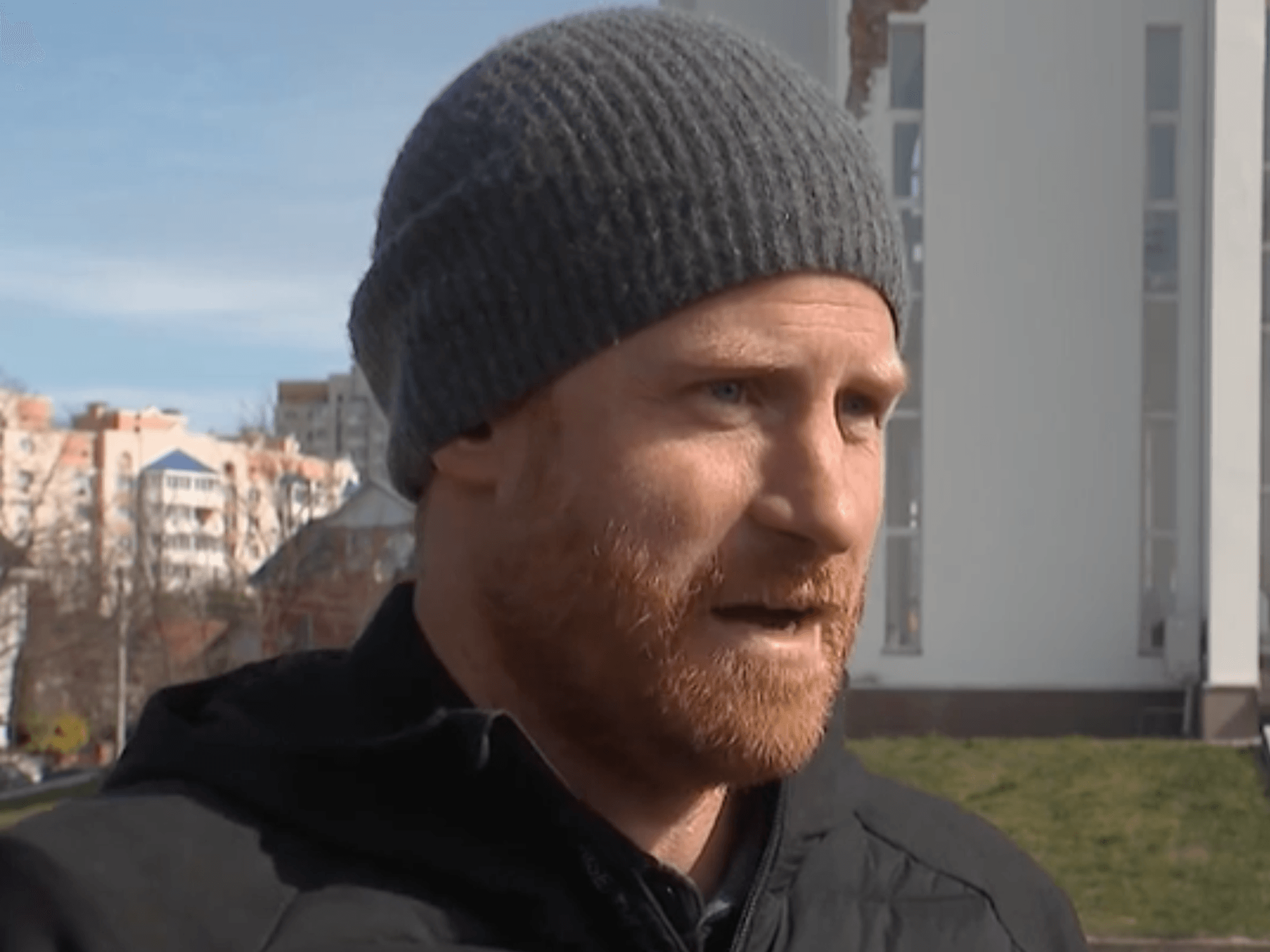
Former counterterrorism chief Neil Basu describes the remark as 'disgraceful' and 'appalling'
|GETTY
The false information that led to the civil servant's callous remark had originated from Wiltshire police, Mr Basu confirmed.
He recounts that upon hearing the comment, he exchanged glances with the MI5 chief - both men stunned by what they had witnessed.
"I remember looking at the DG of MI5 and both of us thinking that's the worst thing we've ever heard in our careers. She's a beloved mother and daughter and she didn't deserve that. I was utterly disgusted," he said.
LATEST DEVELOPMENTS
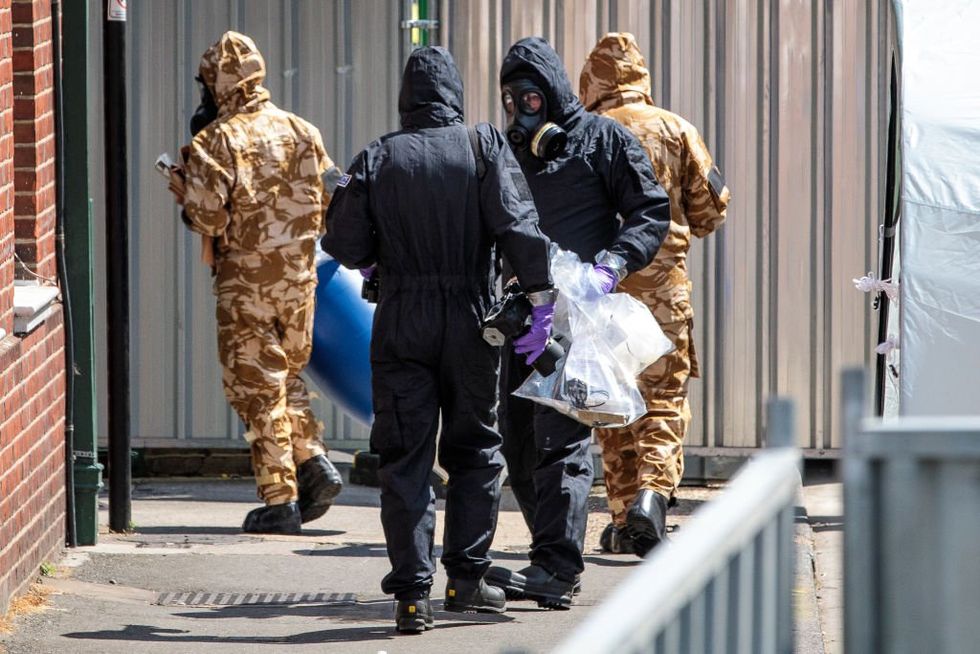
The aftermath of the poisoning of Dawn Sturgess at her Salisbury home
|GETTY
The former counterterrorism chief, who served for three decades before retiring in 2022, interprets the remark as suggesting authorities would face less public criticism because people would not care about someone perceived as an addict.
"Why does that make a difference to you? Why does that mean she deserves any less? I'd never say who it was but it was pretty disgraceful," Mr Basu said.
He told The Times he "regretted" not challenging the comment at the time, with no action believed to have followed.
Mr Basu emphasised the extraordinary lethality of the weapon used, revealing that analysis at the Porton Down defence laboratory determined the small perfume bottle contained sufficient novichok to kill 10,000 people.
He added: "Normally you would think of a tactical nuke on an intercontinental ballistic missile to kill thousands.
"I've got a tiny perfume tester bottle containing enough liquid to do the same thing."
Police investigations identified Russian nationals Alexander Mishkin and Anatoly Chepiga as the attackers, with Denis Sergeev believed to have coordinated operations from London.
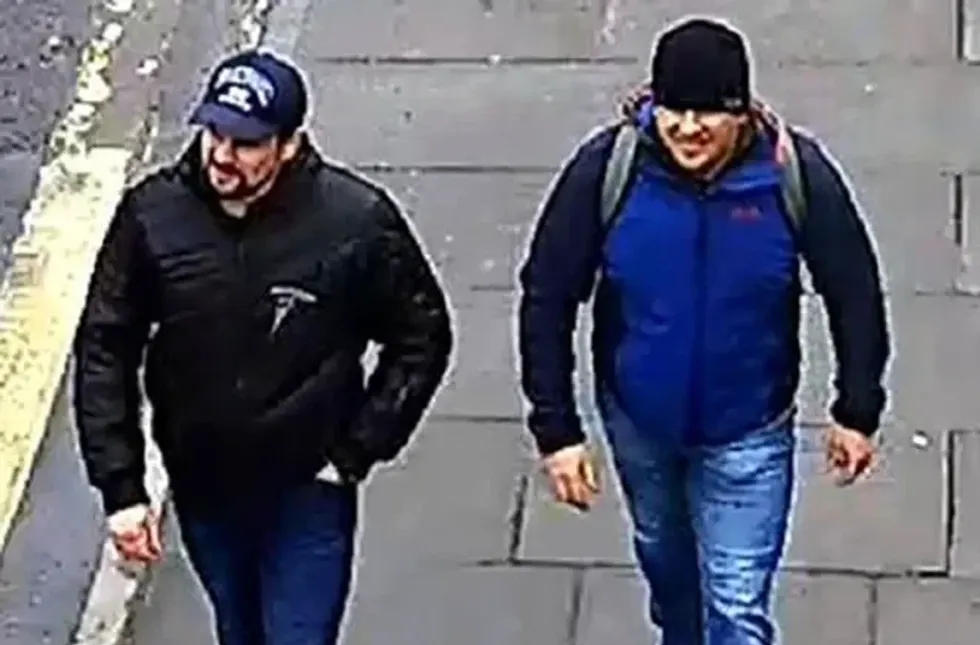
Police investigations identified Russian nationals Alexander Mishkin and Anatoly Chepiga as the attackers
|MET POLICE
International arrest warrants remain active for all three, effectively restricting them to Russian territory.
Mr Basu suggested the documentary serves as a vital reminder for continued public awareness eight years on.
"The public is very good at forgetting about dark moments in their history and just getting on with life, but sometimes they need to be reminded that those things are still out there. We need to keep the public alert but not alarmed."