





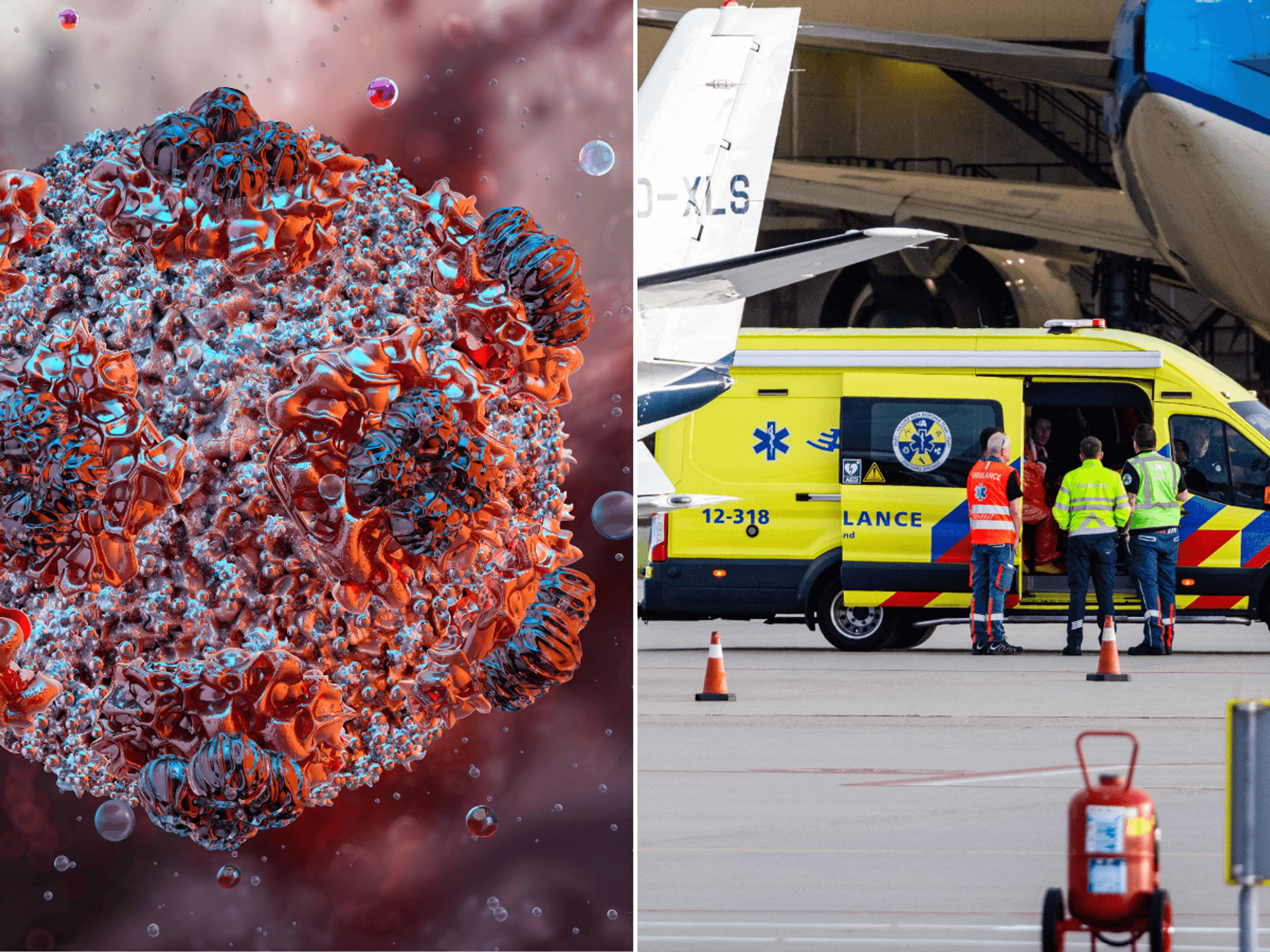





Britain's Chief Medical Officer has urged the nation not to let its guard down as it moves forward from the Covid-19 pandemic.
In his groundbreaking 2025 annual report, released today, Prof Chris Whitty warns the UK must be ready for future infectious threats and should not become complacent.
“One of the greatest threats to effective actions that reduce the predictable, serious and evolving risk multiple infections cause is complacency,” he wrote.
The report emphasises that while past advances in medicine, such as vaccines and antibiotics, have drastically improved public health, infectious diseases are still a serious threat.
TRENDING
Stories
Videos
Your Say
The report stressed: “Infectious diseases are a very dynamic threat. They evolve faster than we can develop countermeasures,” it and highlighted the growing concern of antimicrobial resistance, new and emerging diseases, and declining vaccination rates.
One of the report's most urgent messages is the threat of antimicrobial resistance, which Prof Whitty called a “major hurdle” to managing infections.
The rise of superbugs, resistant to antibiotics, has become an increasing concern. “Antimicrobial resistance is already proving a major hurdle. Infections that were once easily treatable could soon become fatal, with no reliable way to stop them,” Prof Whitty warned.
He said this is not a distant concern but a “current issue,” with infections that were once easily treatable now posing a significant risk.

Professor Chris Whitty has warned 'we must be ready for the next pandemic'
| PA“This isn’t a future concern - it’s happening now,” Prof Whitty said, underlining the urgent need to ensure the drugs are only used when necessary to prevent further resistance.
Another of his major concerns is the decline in vaccination rates, particularly for diseases once on the brink of eradication. Prof Whitty highlighted the rise in measles and diphtheria, both preventable diseases, due to falling vaccine uptake.
“Vaccination rates have been drifting down, and we need to reverse that trend if we are to provide the best protection from preventable and potentially severe infections,” he urged, stressing that outbreaks of preventable diseases are likely to become more frequent if current vaccination rates continue to decline.
The downward trend in vaccination rates, he says, has been most pronounced in London and deprived areas.
The report also identifies older adults as being particularly vulnerable to infections.
As the UK’s population ages, he says older adults are at increasing risk of severe infections that can lead to complications such as stroke or heart disease.
LATEST DEVELOPMENTS:

The report identifies older adults as being particularly vulnerable
| GETTY"Older adults are more likely to acquire many infections, much more likely for infections to become severe, and the great majority of those who die of infections are older adults."
He added that such infections in older adults are much more likely to cause complications such as heart disease or strokes, "often weeks after the infection has gone."
The report also calls for tailored vaccination programs for older adults, including vaccines for COVID-19, RSV, and shingles, all of which, he says, have proven effective at reducing severe outcomes for this demographic.
Prof Whitty also highlights the growing threat of new and emerging infectious diseases. He points to HIV, SARS-CoV-1, and COVID-19 as examples of diseases previously unknown to humans that have since posed serious global risks.
“Infectious diseases are a very dynamic threat. New infections previously unknown in humans continue to emerge for which we do not initially have countermeasures,” Prof Whitty warned.
The report stresses that emerging infectious diseases are a constant threat, and even as the world recovers from COVID-19, the next pandemic could emerge unexpectedly.
Prof Whitty warned that these diseases are likely to emerge from animal populations, as seen with past pandemics.
He also said there is an increasing risk of imported infections. Diseases such as malaria and dengue are growing in the UK, with global travel, migration, and climate change contributing to the spread of these diseases.
“We need to bolster our response capabilities to manage these infections effectively,” Prof Whitty urges, stressing the importance of maintaining robust surveillance and diagnostics to respond to these threats.
As climate change continues to alter disease patterns, Prof Whitty stresses the need for the UK to maintain readiness to respond to new and emerging infections that cross borders.
Prof Whitty also underscores the importance of global collaboration in combating infectious diseases.
“Infections are global, and we cannot tackle them in isolation,” he states, urging continued investment in global health infrastructure, data sharing, and international research collaborations.
He points to the success of the rapid development of COVID-19 vaccines, which were made possible by international collaboration.
Prof Whitty emphasises that “sustained preparedness and global collaboration are essential for tackling emerging infectious threats”.
He said: “One of the greatest threats to effective actions that reduce the predictable, serious and evolving risk multiple infections cause is complacency.”
He adds: “Infectious emergencies will happen multiple times during the lifetimes of those reading this report.
“We need to keep our capacity to prevent and respond to infections up between events rather than wring our hands and wish we had done so when they occur.”
Professor Carl Heneghan, Director of Oxford University’s Centre of Evidence Based Medicine said: “The report accurately identifies infections as a dynamic, long-term threat; however, it offers few concrete mechanisms for how the government, the NHS, and local systems can implement the proposed interventions.”
He added: “Several key elements are missing -what resources and workforce are necessary to improve access, expand surveillance, and enhance infection control?
"How will the competing pressures on the NHS be balanced with the need for increased capacity to address infectious diseases?
"And which agencies are accountable for specific recommendations, and what are the timelines for implementation?
"These unanswered questions limit the report’s effectiveness as a practical government plan.”
Our Standards: The GB News Editorial Charter
More From GB News