









Hundreds of vulnerable children in England are being forced to live in illegal homes due to the "dysfunctional" care system, a major parliamentary report has warned.
The hard-hitting analysis by a committee of MPs reveals a tenth of children in care are living in unregistered homes. Many are living in shocking conditions, which include caravans, holiday parks, barges and temporary housing.
Such unregistered homes cannot be routinely checked or inspected by authorities.
The cross-party Pubic Accounts Committee warned youngsters in these settings are exposed to serious risks, including criminal exploitation, sexual abuse and harm.
TRENDING
Stories
Videos
Your Say
Under current rules, children can only be placed in unregulated homes in emergencies if there is no other place available.
Despite this, the report discovered many are forced to stay in these homes for six months or more.
The report also shows the problem has worsened dramatically in recent years.
It found the number of children reported to Ofsted as having been placed in unregistered homes rose from just 147 in 2020–21 to 982 in 2023–24.
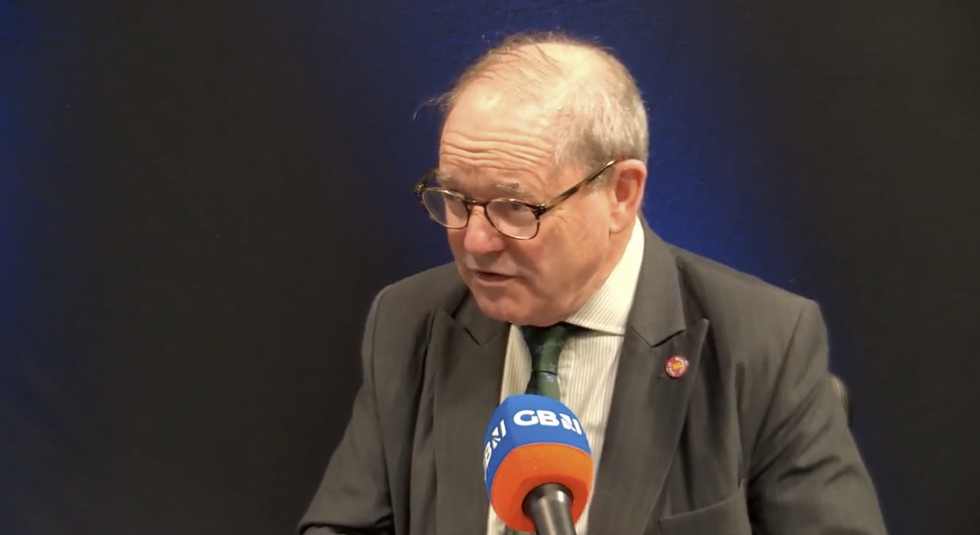
Sir Geoffrey Clifton-Brown oversaw the report
| GB NEWSOften, hundreds of children are living in such accommodation because councils say they have nowhere else to put them.
Because local authorities are not required to tell Ofsted when they place children in unregistered homes, there are no formal checks to ensure children are properly cared for or protected.
The report also found that in some cases, children with autism, severe trauma or complex mental health needs were placed far from family support, moved repeatedly, or supervised in makeshift settings simply because no registered home was available.
The report raised particular alarm about children whose freedom has been taken away by the courts.
LATEST DEVELOPMENTS
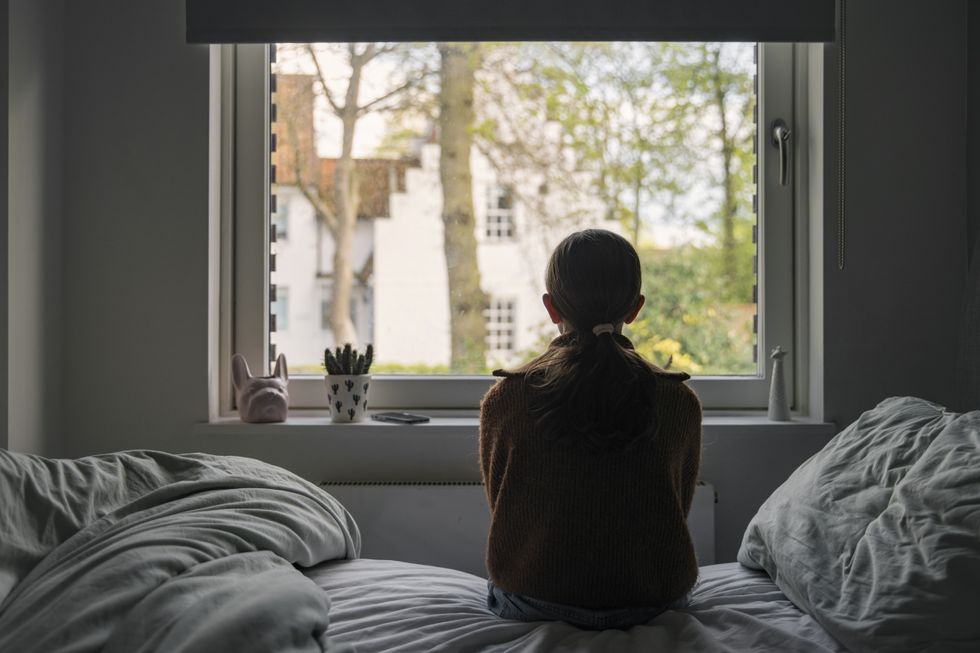
Children are being forced to live in illegal homes
| GETTYDuring 2024, 1,280 children were placed under deprivation of liberty orders, meaning they were not allowed to leave because they were judged to be at serious risk to themselves or others.
MPs warned some of these children were among those placed in illegal homes, with no routine inspections, guaranteed safeguarding and oversight.
Sir Geoffrey Clifton-Brown, chairman of the Public Accounts Committee, said: “For the hundreds of children highlighted in our report living for months in illegally unregistered homes, a lack of oversight means we cannot know whether their circumstances are indeed safe, stable, or loving.”
He added: “A dysfunctional system is forcing local authorities to routinely reach for solutions which will see our nation’s children regularly put at risk. This utterly unacceptable situation has become normalised.”
The study also found almost half of the children in residential care are placed more than 20 miles from their family homes.
There are currently no secure children’s home places at all in London.
MPs warned long-distance placements make it harder for social workers to spend time with children or understand local support, leading to poorer outcomes and greater instability.
Alongside the human cost, the financial cost has soared, the report found.
Between 2019–20 and 2023–24, local authority spending on residential care increased by 96 per cent, reaching £3.1billion.
Average spending per child rose from £239,800 to £318,400 over the same period.
MPs said a shortage of places has created a chaotic market, with councils often forced to find beds at the last minute, pushing up prices as authorities compete with one another.
The Association of Directors of Children’s Services acknowledged this competition drives costs higher, while the County Councils Network warned local authorities have been forced to cut services, including early-help support that could prevent children from entering care in the first place.
The report found private companies now run 84 per cent of children’s homes and 74 per cent of places.
In 2022, the 15 largest providers made average profit margins of 22.6 per cent, with prices rising 3.5 per cent above inflation each year, according to the Competition and Markets Authority.
Seven of the ten largest providers are owned by private equity firms.
The Public Accounts Committee warned the Department for Education does not fully understand providers’ profits, debt or financial risks despite relying on them to house most children.
Sir Geoffrey added: “Without a good understanding of the motivations, debt, and potentially excessive profits of private providers, government cannot effectively oversee the market.”
Ministers argue reducing residential care depends on expanding foster care, which is eight times cheaper.
However, the report reveals foster households fell by 9 per cent between 2020 and 2024, excluding family and friends, while the proportion of children in foster care dropped from 71 per cent to 67 per cent.
Government-backed fostering recruitment hubs have shown no significant impact, according to early evaluations.
Mike Reid, CEO of Care Visions, which supports some of Scotland’s most vulnerable children, said the report showed the need for a more joined-up approach.
“Children don’t recover from trauma just by being placed somewhere with a bed,” he said.“They need stable placements, mentoring, consistent relationships and access to expert support. Without enough properly supported homes and foster carers, the system becomes a conveyor belt rather than a care system.”
The Department for Education has pledged to reduce unregistered placements to zero by 2027, but admitted reforms will take at least two years to begin addressing shortages.
MPs said the situation cannot be allowed to continue.
Sir Geoffrey concluded: “Our most vulnerable children are often without the ability to make their voices heard — but it is clear they are currently being failed.”
Our Standards: The GB News Editorial Charter
More From GB News