






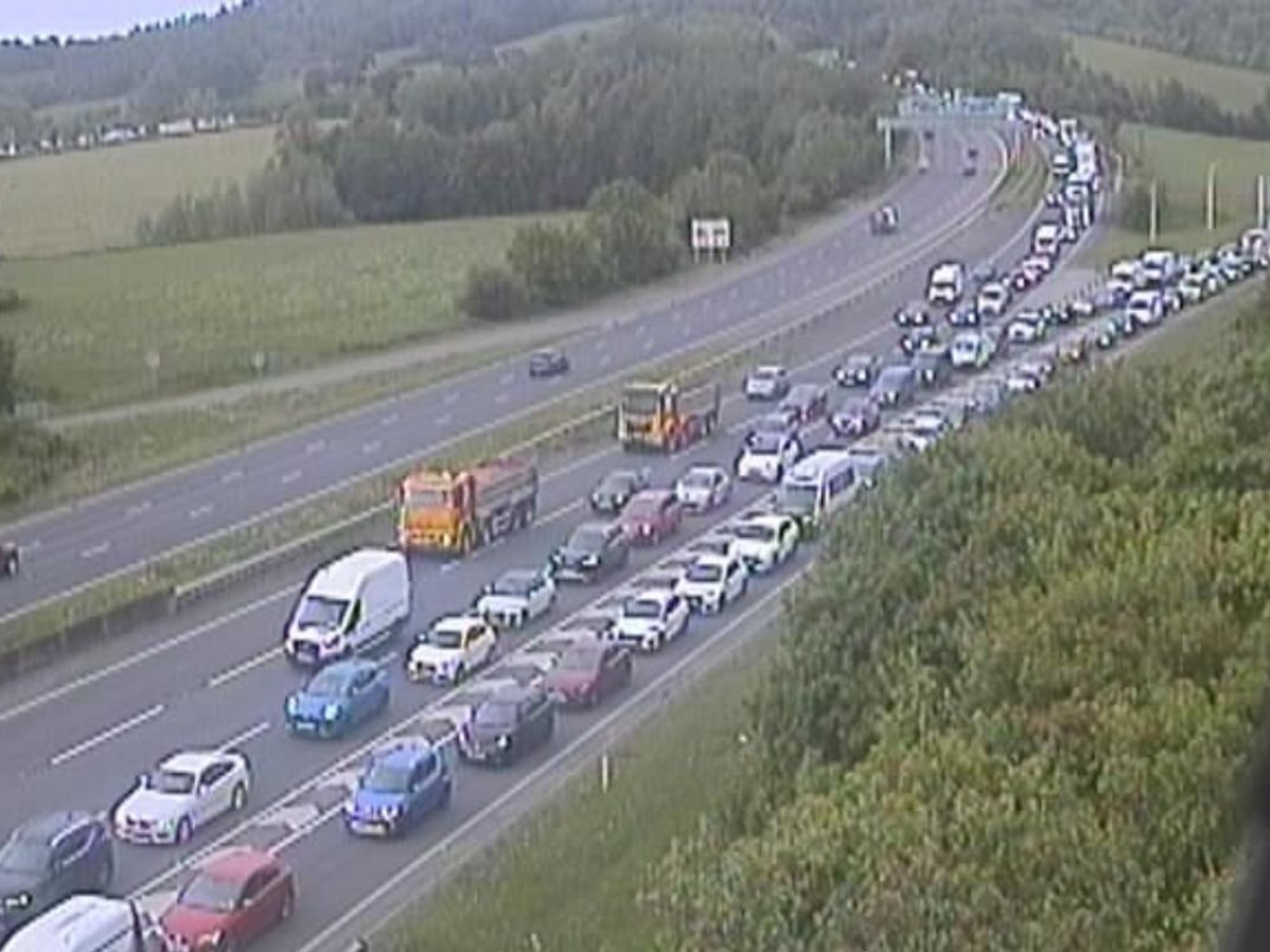



The cause of a horrific plane crash in the British countryside has been revealed.
The crash - which occurred as the aircraft took from Wycombe Air Park, Buckinghamshire - left the pilot and passenger seriously injured, with a helicopter pilot landing in the field to assist the pair.
The Air Accidents Investigation Branch (AAIB) said the July 3 incident, may have been caused by contaminated fuel.
The small plane, a Ikarus C42 FB100 Bravo, was destroyed after it suffered a total loss of power.
Cause could not be "positively determined", but it was determined the fuel was "not of the correct grade or quality".
The report from the AAIB said nothing abnormal was noted in the pre-flight inspection.
The pilot, a 61-year-old man, had 898 hours of flying experience and told an airfield radio operator he planned to land in a field.
He did not declare a Mayday as he made an effort to land in the field.
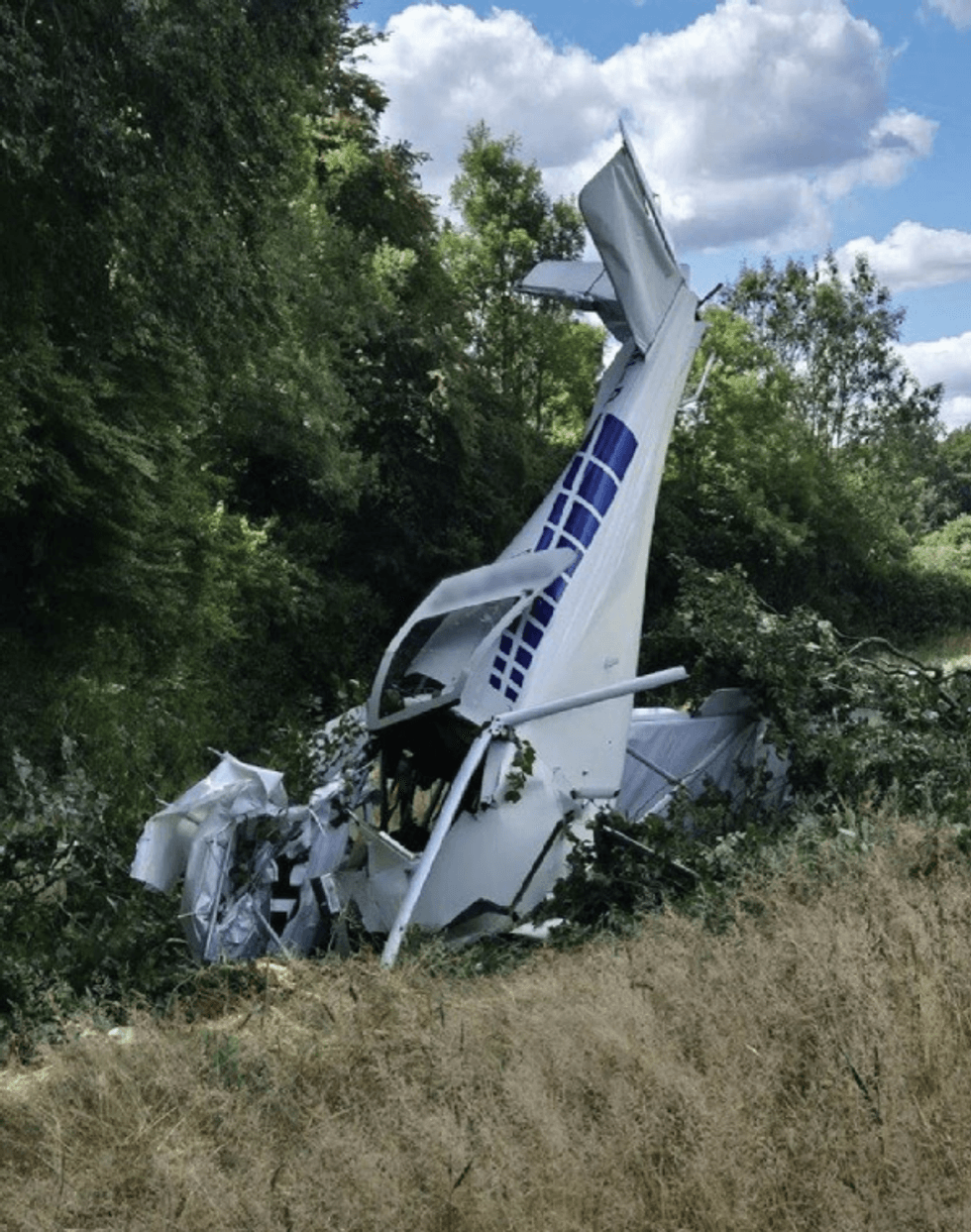
Ikraus C42 FB100 Bravo landed nose down, with the pilot not calling a mayday
|AAIB
But he collided with trees during the attempted emergency landing, completely crumpling the plane as it landed nose down.
The report said the plane was fuelled from a jerry can which contained premium E5 uenleaded petrol, bought from a local petrol station.
"The quantity of fuel could not be verified," the report said.
Another aircraft operated by the same flying school suffered engine problems in a similar incident, but was able to land on the runway with only minor damage.
MORE IN THE EAST OF ENGLAND:
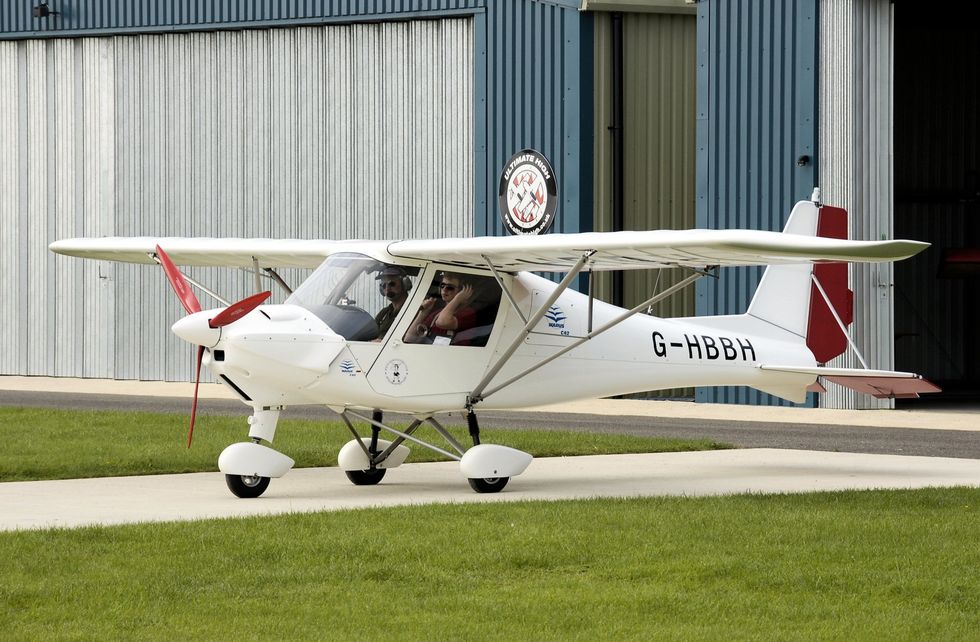
Three other Ikarus C42 (pictured) owned by the flying school contained jelly like substance from the same petrol batch
|WIKIMEDIA
All aircraft from the school were examined and three contained a jelly-like substance in their carburettor bowls.
The three small aircraft were all fuelled from the same petrol batch.
"The cause of the engine failure was not positively determined although a mechanical failure of the engine was ruled out," the report said.
An assessment of the fuel revealed it may have been a "lower octane number than specified by the engine manufacturer", and might have been contaminated with "diesel, light kerosene or jet fuel".
"This would have prevented the fuel from igniting in the engine cylinders when the spark plugs were activated," the report added.
But the report added the source of the fuel quality issue was "not determined".
It was determined the pilot chose to land in the field to avoid a potentially more dangerous stall or spin.
Safety actions have now been taken by the operator who "purchased a bowser to supply its aircraft with UL91 fuel".