










The great British steel industry is on the brink of a renaissance after years of decline, manufacturers believe.
But soaring energy costs sparked by the Iran war, which leave them facing bills £82million higher than French counterparts, could steal the prize from their grasp.
New rules that recognise the importance of home-grown steel and actively encourage its use should mark a turning point for the once-benighted sector, delivering hundreds of millions of pounds in sales.
An unfettered industry would be perfectly placed to deliver low-carbon steel, using electric arc furnaces to reclaim the 10 million tonnes of scrap the UK produces each year.
British steel could also provide the backbone for small modular reactors (SMRs) – the nuclear-powered generators that are vital for our transition to green energy.
Under the right conditions, South Yorkshire could become a global production hub for SMR raw materials, trade body UK Steel believes.
These prizes are at risk without tackling soaring energy costs, it warns, saying: “The choice is whether the UK acts in time.”
With bills up to 77 per cent higher than on the Continent, many British firms already pay more on energy than they do on wages.
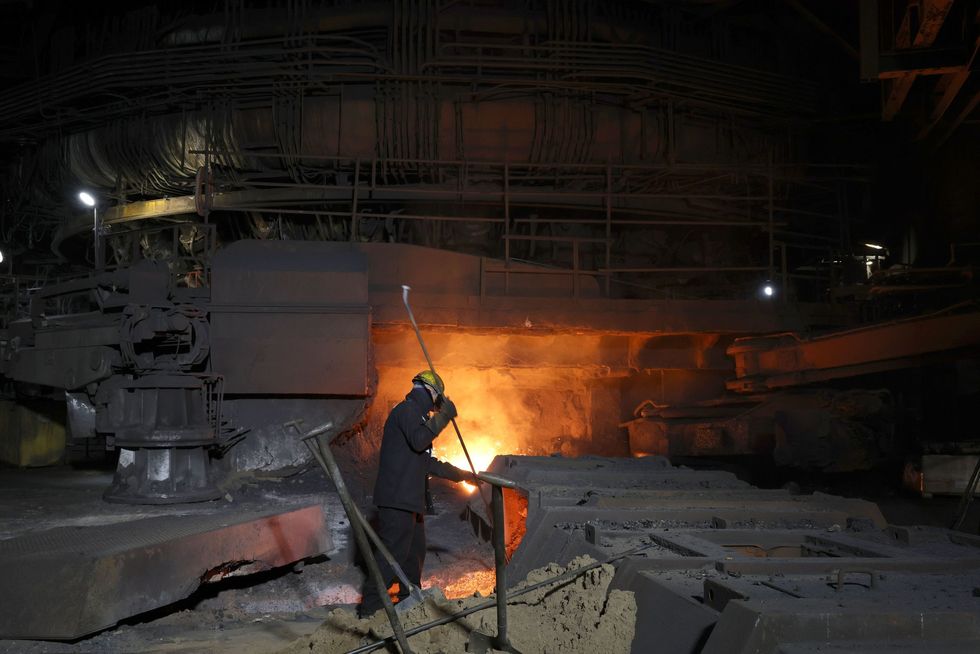
New rules recognising the importance of home-grown steel should mark a turning point for the once-benighted sector
|PA
But a “clear, affordable and available” change to wholesale energy prices, which would align them with European competitors, would level the playing field and let British steel shine, it says.
The Government announced its UK Steel Strategy in March. One of its aims is to lift the UK’s use of domestic steel from 30 to 50 per cent.
Steel has also been classified as a “strategically important sector”.
Government projects will be pushed to “buy British steel” wherever they reasonably can and have been told to choose home-made steel on security grounds, rather than automatically picking the cheapest option – often an import.
LATEST DEVELOPMENTS:
UK Steel’s Jon Harrison said the reforms “represent one of the most significant opportunities for the UK steel industry in over a decade”, with the potential to bring in hundreds of millions in additional sales.
He also pointed to Small Modular Reactors as “a major opportunity for the UK”, with South Yorkshire forges well placed to supply the steel.
Getting the reforms right would represent a “major inflection point” for the industry.
But, without action to control wholesale electricity prices, “the UK risks undermining its own steel strategy”.
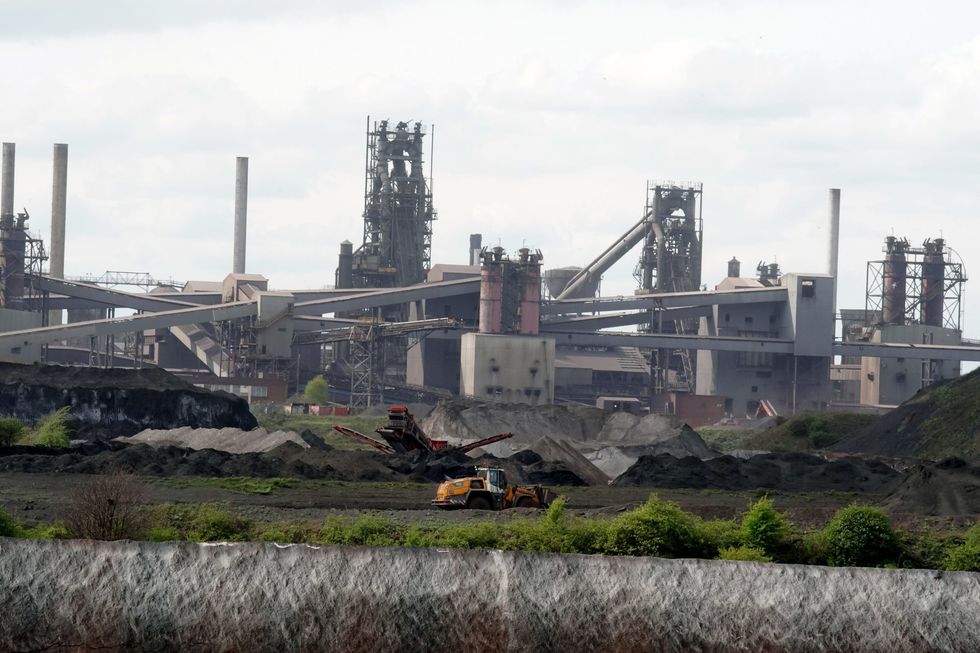
The Government announced its UK Steel Strategy in March
|PA
UK energy prices are higher because we are still largely dependent on gas, which usually also sets the wholesale electricity price.
In contrast, France and Germany enjoy a wider energy mix, including coal and greater nuclear capacity, as well as regulated generation prices.
Although many steelmakers are on the Government’s British Industry Supercharger scheme, offering them large discounts on bills, the chaos caused by Iran means this is no longer enough, warns Frank Aaskov, UK Steel’s director of energy and climate change policy.
“The Middle East-driven energy price shock reinforces a long-standing policy truth: UK steel cannot be left exposed to volatile gas-driven electricity prices while competitors are shielded,” he warns.
“If the Middle East war persists and industrial electricity costs stay high, UK steelmakers will pay about £82million more annually than their French counterparts.
“This makes UK-made steel more expensive and drives away investment from international parent companies.”
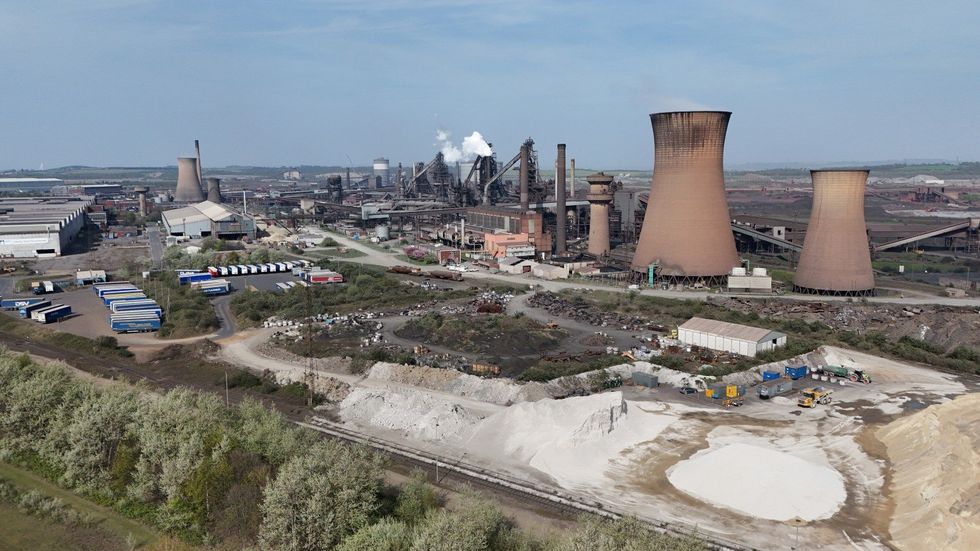
A £500million five-year deal was struck last year between Network Rail and British Steel to help save the Scunthorpe steelworks
|PA
Iran-caused price spikes were already feeding through the supply chain, he said.
He recommends a “rebalancing mechanism” for energy-intensive industries, including steel.
This would see wholesale price aligned with the lowest cost European competitor.
If UK prices are higher, the Government would subsidise the difference.
If they are lower, the industry would pay the difference back.
Sources estimate that, at present prices, this might cost £50million a year.
But if UK energy costs come down, as the Government believes they will as more renewables come online, so will any subsidies.
“This risk-sharing mechanism removes exposure to geopolitical price spikes while maintaining long-term market signals,” said Mr Aaskov.
“Without decisive action to control wholesale prices, the UK risks undermining its own steel strategy just as the sector is trying to bring forward investment.
“The solution is clear, affordable and available now. The choice is whether the UK acts in time.”
Mr Harrison said a combination of robust procurement policies and lower energy costs were needed to move UK steel’s share of domestic demand towards the Government’s target of 40–50 per cent.
He said: “Realising this prize will depend on consistent implementation, clear guidance to contracting authorities, and alignment with wider policy areas such as energy costs, trade measures and industrial strategy.
“But if delivered effectively, procurement reform can become a central pillar of a more resilient, competitive and strategically anchored UK steel sector.”
A Government spokesman said: “This Government is determined to support British steelmaking and our steel communities now and for generations to come, and we know energy prices is one of the biggest challenges facing industry right now.
“That's why we're cutting electricity costs through the British Industry Supercharger and British Industrial Competitiveness Scheme while our new Steel Strategy announced our ambition to produce up to 50 per cent of our domestic demand, leaving us less reliant on steel made overseas.”