






British tourists are facing delays of up to four hours at EU airports and border points due to new biometric entry and exit checks.
As part of the new regulations, everyone from non-EU countries passing through the checkpoints will need to be photographed and fingerprinted.
The rules will come in under the EU's new entry and exit (EES) system, which is due to start from April 10.
However, holidaymakers are being warned by the Home Office and travel organisations to allow extra time upon arrival at destination airports.
Director of Public Affairs at travel trade organisation Abta Luke Petherbridge told The Telegraph: "What we have said to customers is that, because of the checks, you might need to prepare for delays with extra water and snacks."
Representative body Airports Council International recently reported that EES was causing delays of up to three hours, with airports in Spain, Portugal, France and Italy among the worst affected.
Enhanced EES checks can be reduced and even deactivated where there is the threat of long queues at passport controls.
In January, the European Commission announced that the availability of these measures had been extended to cover the entire summer peak travel period.
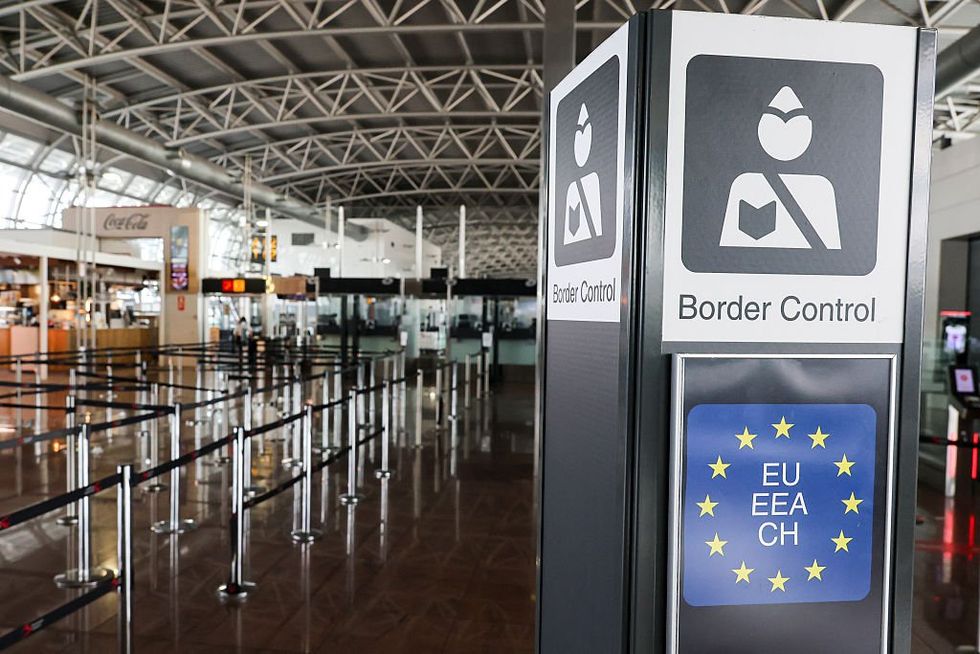
Concerns have been raised about the potential queues at international airports
|GETTY
Chief executive of travel consultancy PC Agency Paul Charles warned the worst delays would be at the bigger, busier airports internationally.
He added that European destinations were more likely to be popular this year due to the ongoing war in the Middle East.
Mr Charles said: "What we have got is a cocktail of more visitors going into certain countries at this time of year as it is Easter, technology that is relatively untested and staffing shortages due to the holiday period.
"That’s why we are likely to get long queues in those busier airports."
LATEST DEVELOPMENTS
- 'It's all wrong!' Ex-Ukip leader calls for total overhaul of Britain's border control - to mimic EU nations instead
- EU travel rules: Everything Britons need to know about the new EES rolling out this weekend
- Gibraltar: Spain will be able to PREVENT Britons from entering territory as Keir Starmer's EU border deal published
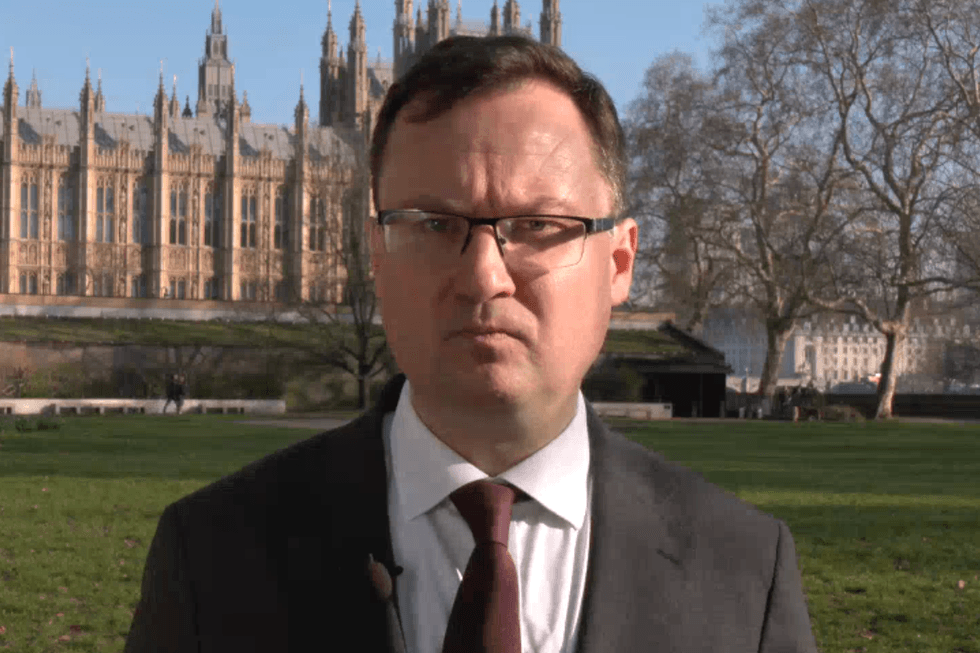
Home Office minister Alex Norris MP said there could be delays upon arrival
|GB NEWS
Border security minister Alex Norris admitted the new regulations would mean a "significant change" for British travellers.
He said: "Always check with your transport operator in case extra time may be needed, both for your return to the UK and travelling to the EU."
For non-EU travellers at "juxtaposed ports" including the Eurostar at St Pancras, Eurotunnel LeShuttle at Folkestone, or the Port of Dover, EES registration takes place before leaving the UK.
A Home Office spokesman said: "EES checks should take only a few minutes per person, although longer waits at border control are possible, including for your journeys back to the UK."
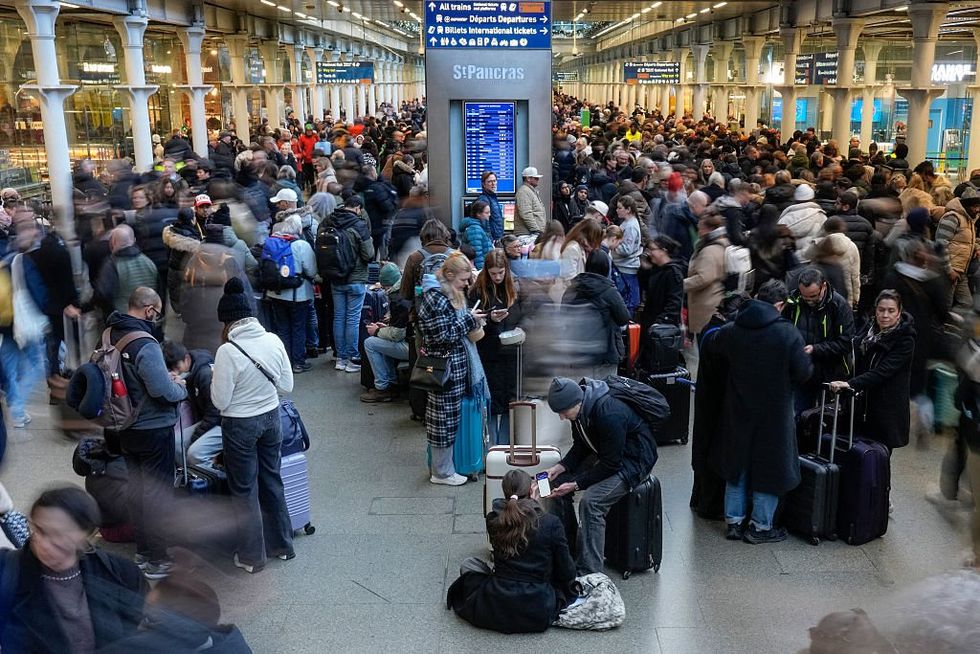
EES checks usually take place at St Pancras
|GETTY
Chief Executive of Abta Mark Tanzer added it was "frustrating" that flexibilities within the EES were not being used "across the board."
Mr Tanzer has written to the European Commissioner for Internal Affairs and Migration, Magnus Brunner, stating that countries are not being consistent with their use of this flexibility, and some borders are not taking advantage of it at all.
He said: "The ambition of a project like EES means it was never going to go completely smoothly, and we were prepared for that.
"However, what is frustrating is that border authorities have it within their power to ease queues and deal with issues as they arise – but that doesn’t seem to be happening across the board.
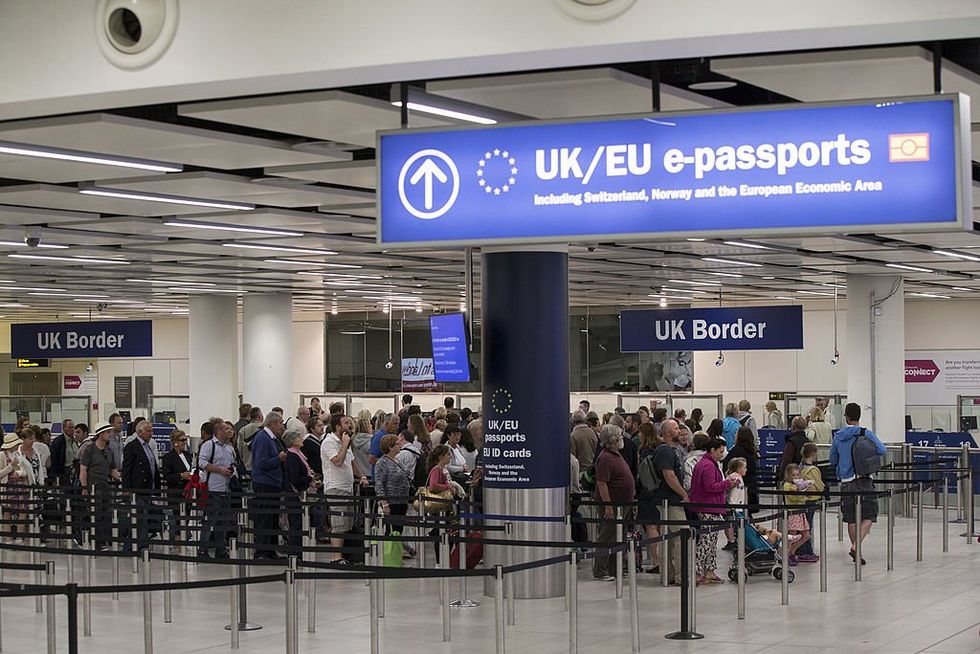
Since the regulations came in, ministers have raised concerns about queues at borders
|GETTY
Mr Tanzer continued: "As the rollout expands and we head towards peak travel periods, we’re urging border authorities to plan for busy periods and use the contingency measure available.
"It’s critical the commission keeps a close eye on this throughout the rollout and beyond."