










Borstal-style camps for disorderly teenagers could be reintroduced with the aim of cutting the number of young people sent to prison.
The idea has been raised amongst ministers after looking at how other countries have tackled young offenders.
New Zealand has seen success with military-style academies that have helped to reduce the number of youth offenders.
A new Youth Justice White Paper has outlined plans for academies in the UK, similar to the borstal detention centre system that ended in 1982, to create a middle ground between warnings and a young offender’s institute.
Almost 80 per cent of adult prolific criminals began offending whilst they were children.
Minister for Youth Justice Jake Richards said: “If young people are heading down the wrong path, it is essential robust, decisive support is there early before crime destroys their future.”
The white paper also proposes youth intervention courts and greater use of orders to compel parents to address their children’s poor behaviour.
Synthetic pepper spray was introduced to use on children as young as 15 in young offenders' institutions in a bid to tackle an increase in violence.
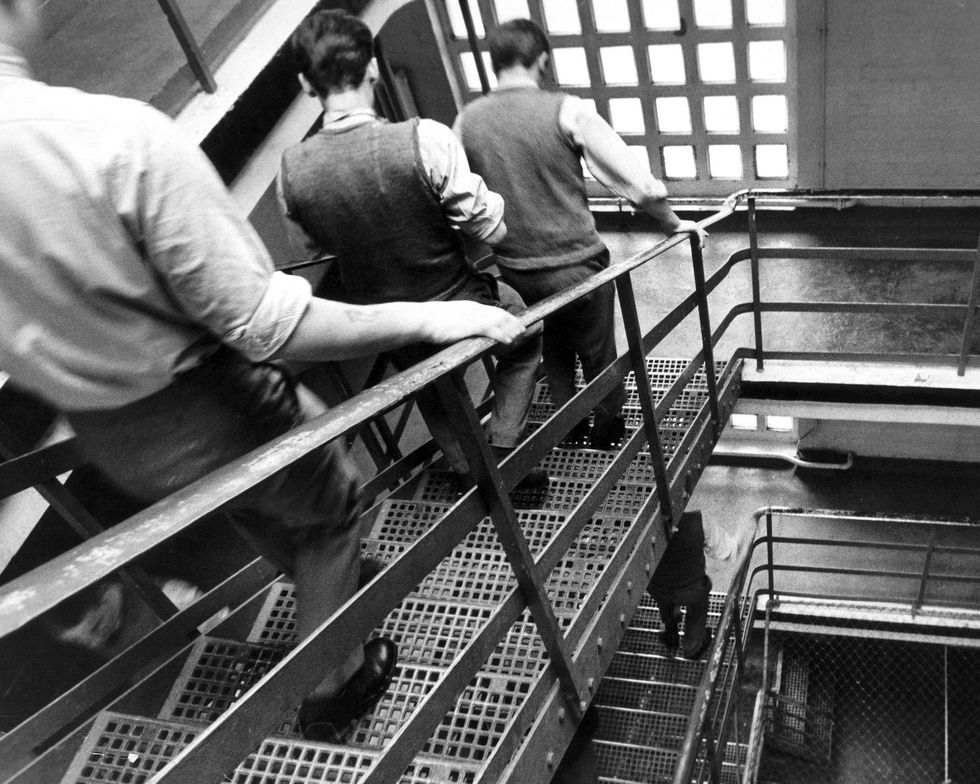
Borstal-style camps could be reintroduced for young offenders
|GETTY
Justice Secretary David Lammy says the reforms will “tackle the drivers of offending so that fewer young people become trapped in cycles of crime.”
Anti-knife crime campaigner and founder of Fazamnesty, Faron Paul, told the Sun: “Fazamnesty welcomes the Government’s proactive approach in the Youth Justice White Paper, which focuses on early intervention, prevention, and support for young people facing growing pressures and exploitation.
“Prevention is always better than cure.
“By working together with organisations like Fazamnesty and other community groups, we can help guide young people away from crime and create safer communities for everyone.”
LATEST DEVELOPMENTS

Justice Secretary David Lammy has said the plans aim 'tackle the drivers of offending so that fewer young people become trapped in cycles of crime'
|GETTY
Borstals were introduced as an alternative prison for young offenders, with the first one opening in Kent in 1902.
Boys and men aged between 15 and 21 were imprisoned in them. They were designed to educate and reform young offenders, allowing them access to education and training courses.
Strict rules were in place at the sites, and until 1962, boys in borstals were whipped.
They were eventually scrapped due to severe overcrowding and data that showed around 60 per cent of those released from borstals would go on to reoffend.
The Government attempted to combat the rising rates by introducing Youth Detention Centres, designed to give young people a “short sharp shock.” However, reoffending continued to rise.
In 1988, Young Offenders Institutions were set up for offenders between 18 and 21, which allow for 25 hours of education a week.
Under current rules, young offenders can also be sent to secure training centres, secure children’s homes, and juvenile prisons.
Our Standards: The GB News Editorial Charter