




Two British Army soldiers "lost control" and did not use reasonable force when they fatally shot five people in west Belfast nearly 54 years ago, a coroner has ruled.
Mr Justice Scoffield delivered his ruling on the killings that took place on July 9 1972, finding that the soldiers acted without proper justification.
The victims included Catholic priest Father Noel Fitzpatrick, aged 42, Patrick Butler, a 38-year-old father of six, and three teenagers.
Four of those killed were unarmed and presented no threat whatsoever when soldiers opened fire, the coroner concluded.
The soldiers, identified only as Soldier A and Soldier E, were positioned at Corry's Timber Yard when the shootings occurred across two separate locations in the area.
Father Fitzpatrick and Mr Butler died from a single bullet as they attempted to cross a road from an alleyway, with the priest looking to his left and Mr Butler glancing right at the moment of impact.
The soldier responsible for their deaths, designated Soldier A, was stationed less than 100 metres away at the timber yard.
Mr Justice Scoffield determined that this soldier "fired prematurely" without first assessing whether the victims posed any danger.
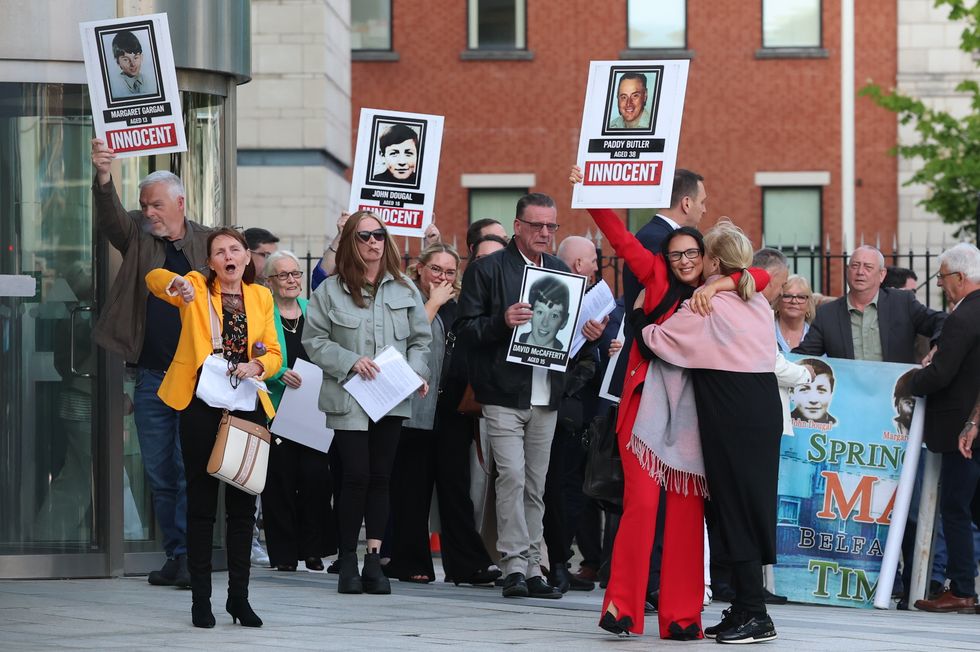
Two British Army soldiers 'lost control' and did not use reasonable force when they fatally shot five people in west Belfast nearly 54 years ago, a coroner has said
| PANo warning was issued before the shots were fired, and neither man was carrying a weapon, the coroner found.
David McCafferty, just 15 years old, was attempting to recover Father Fitzpatrick's body when he was struck in the back by gunfire from the same soldier.
Even if Soldier A genuinely believed defensive force was necessary, the level of force deployed was not reasonable, the coroner ruled.
Margaret Gargan, aged 13, was shot in the head by Soldier E while standing on a pavement chatting with friends.
LATEST DEVELOPMENTS:
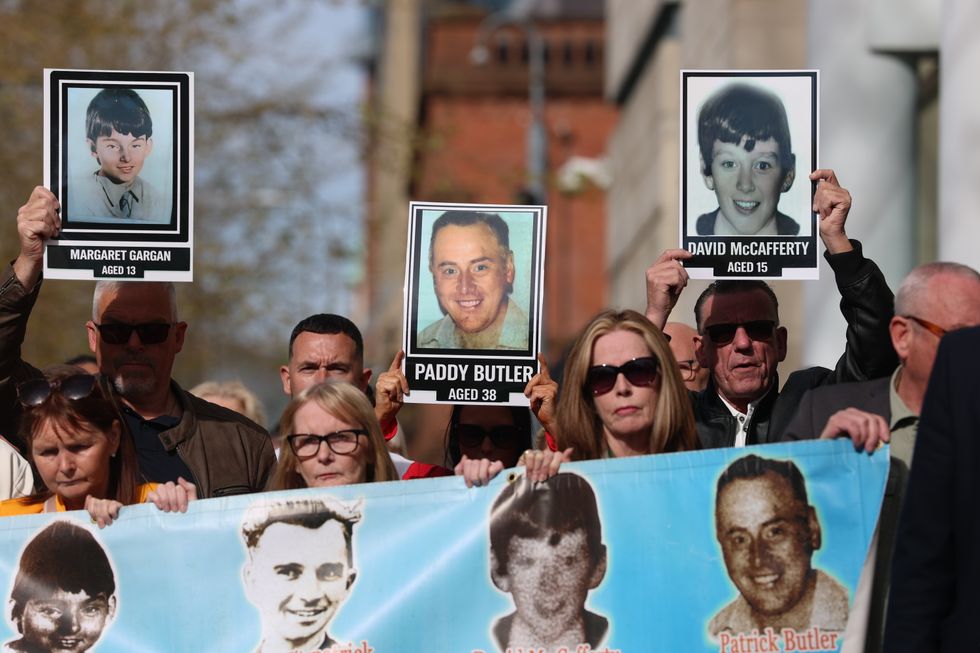
Mr Justice Scoffield delivered his ruling on the killings that took place on July 9 1972
|PA
Regarding 16-year-old John Dougal, the coroner could not definitively establish whether he was armed at the time of the shooting.
While the teenager had belonged to the Provisional IRA's junior wing, Mr Justice Scoffield concluded he had probably not advanced into the adult organisation.
The coroner said even if John had possessed a firearm, he was not using it and was most likely fleeing when shot in the back.
Mr Justice Scoffield said: "With John Dougal shot in the back as he ran from the area and taking into account the requirements of the yellow card, the force used by Soldier A was not reasonable."
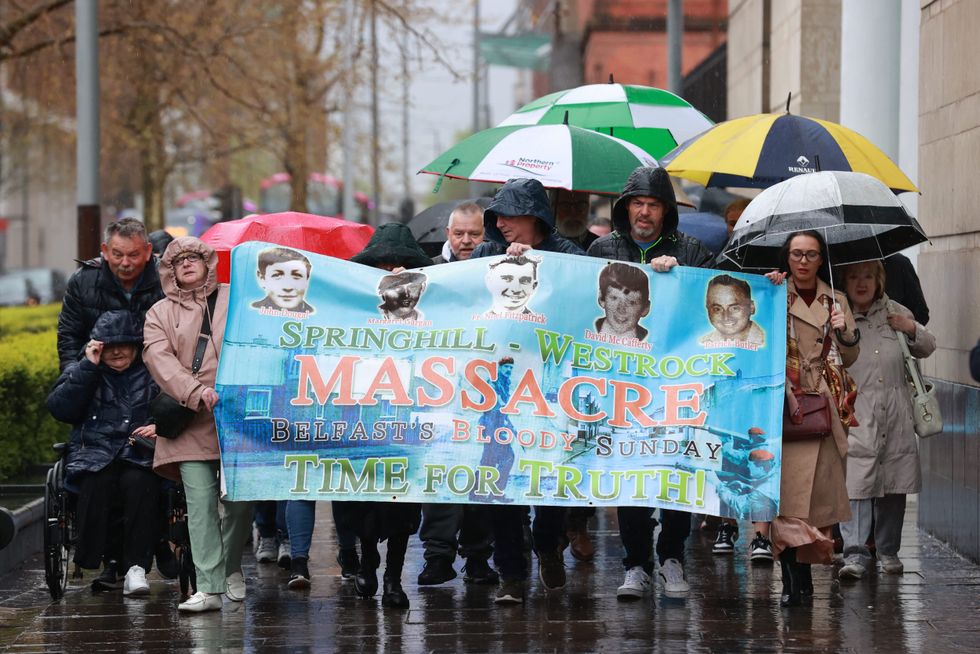
Four of those killed were unarmed and presented no threat whatsoever when soldiers opened fire, the coroner concluded
| PAThe coroner dismissed the Army's claim that soldiers were responding to a "coordinated" mass assault, claiming that brigade radio logs "hugely undermine" this account.
However, he acknowledged the troops had been anxious following the collapse of an IRA ceasefire and were anticipating armed confrontation.
Relatives and friends of the five victims assembled at Belfast Coroner's Court to hear the long-awaited findings, walking together with a banner declaring "time for truth" to applause.
Among those present were former Sinn Féin president Gerry Adams, junior minister Aisling Reilly, West Belfast MP Conor Maskey and People Before Profit MLA Gerry Carroll.
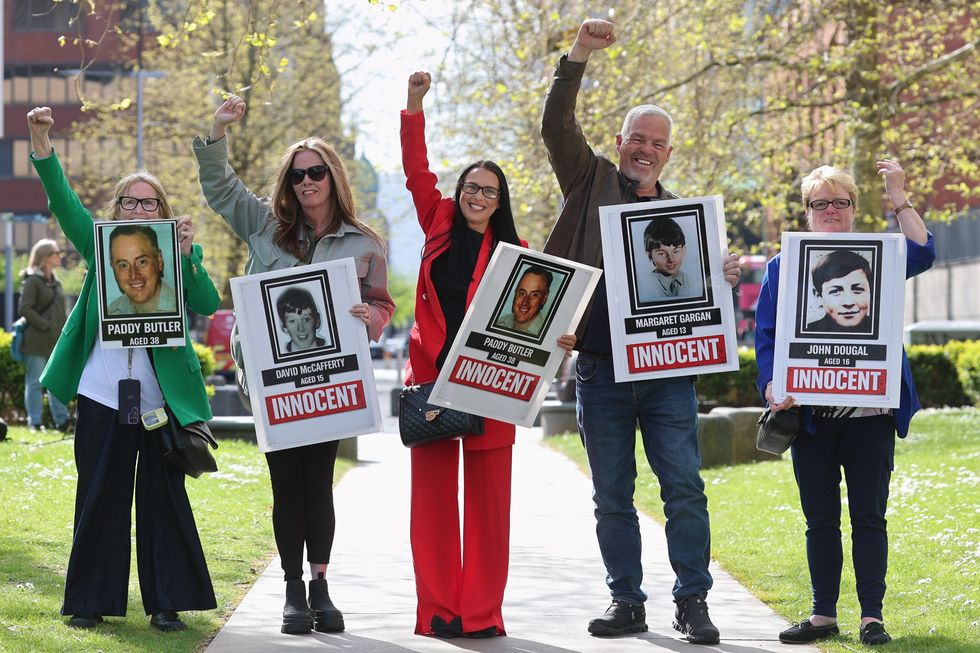
The victims included Catholic priest Father Noel Fitzpatrick, aged 42, Patrick Butler, a 38-year-old father of six, and three teenagers
|PA
The inquest wrapped up in April 2024, mere hours before the previous government's cut-off for conflict-related court proceedings under incoming legacy legislation.
It represented the final coronial investigation into Troubles-era deaths concluded prior to the Legacy Act's May 1 deadline, legislation currently under review by the Labour Government.
Northern Ireland's attorney general had ordered this fresh inquest in 2014, following an original 1973 hearing that delivered an open verdict.
Mr Justice Scoffield apologised to families for the lengthy wait, noting his 640-page findings required considerable deliberation.