








The BBC's chief operating officer has quit amid Donald Trump's $10billion lawsuit against the national broadcaster.
Suffering another senior-shake up, Leigh Tavaziva, the BBC's chief operating officer has resigned, marking the third top-level departure at the corporation in just four months.
Ms Tavaziva informed staff on Tuesday that she would step down in September, telling colleagues she planned to pursue new opportunities after her five year stint at the broadcaster.
Her departure comes as the BBC has pressed ahead with a sweeping cost-cutting programme and a major internal reorganisation of its product and technology divisions.
TRENDING
Stories
Videos
Your Say
In her resignation email, Ms Tavaziva said the changes would see teams from the BBC's public service arm merged with those in its commercial subsidiary, BBC Studios.
The restructuring follows an announcement by outgoing director general, Tim Davie, who has pledged to deliver a further 10 per cent in savings over the next three years.
A BBC spokesman said the reorganisation would not lead to additional cost reductions beyond those already announced.
Ms Tavaziva acknowledged that the changes would cause anxiety among staff, saying she recognised the uncertainty created by the overhaul.
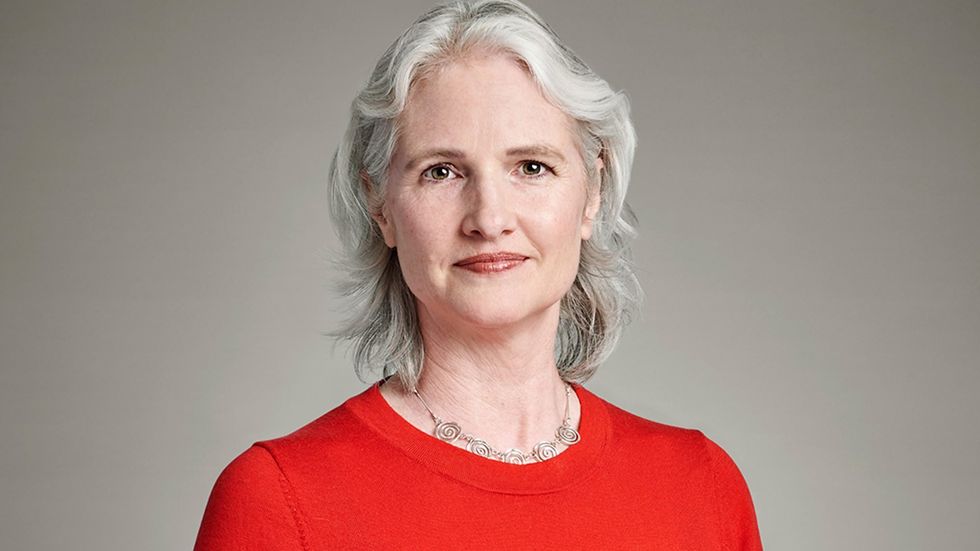
Leigh Tavaziva has called an end to her five year stint as the BBC
|BBC
She said the merger of terms was intended to sharpen investment decisions, speed up innovation and reduce duplication across the organisation.
The BBC executive joined the broadcaster from Centrica in 2021 and is responsible for operations and the technology underpinning platforms such as iPlayer.
Her salary reached up to £470,000 in 2025, according to published figures.
Her exit makes her the third senior executive to leave the BBC's C-suite in a little more than four months.
LATEST DEVELOPMENTS
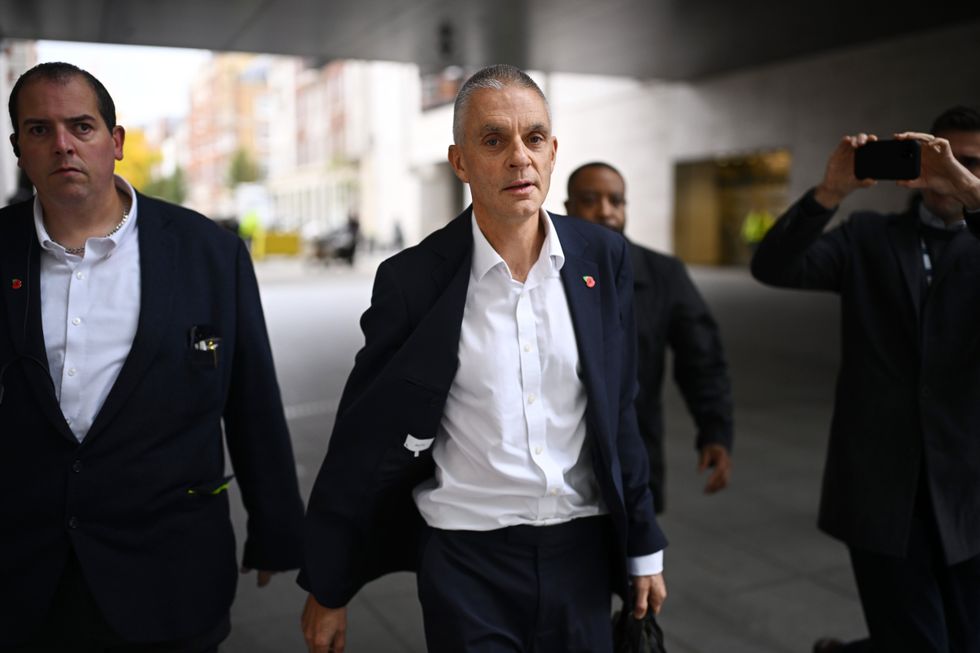
Tim Davie stepped down from the BBC in November after President Trump's video splicing controversy
|GETTY
In November, Mr Davie and Deborah Turness, the corporation's head of news, announced plans to step down following revelations of bias.
That investigation found a Panorama documentary misled viewers through edited footage of a speech by Donald Trump.
Mr Davie is expected to depart the broadcaster on April 2, with Rhodri Talfan Davies acting as interim director general.
The broadcaster's current royal charter expires in 2027, adding urgency to those talks.
Labour has said it's examining alternative ways of funding the national broadcaster, including partial reliance on advertising and subscriptions.
Mr Davie previously rejected those ideas, arguing they would undermine the BBC's public service remit.
The corporation is currently funded primarily through a licence fee.
Alongside internal upheaval, the BBC is also facing growing pressure from global tech firms and the loss of younger audiences to digital platforms.
Many younger viewers have abandoned traditional TV in favour of services such as YouTube and TikTok.
Netflix's co-chief executive, Greg Peter's said the platform would be "eager" more of the BBC's shows, to prop up the broadcaster in reaching drifting audiences.
Netflix has been expanding its partnerships with traditional broadcasters, included a deal with France's TF1 to integrate its content into the streaming platform.
The BBC partnered with YouTube in January, with the ambition to produce original shows for the video streaming platform.
However, Mr Peters cautioned that the big costs associated with BBC or Netflix productions were not easily supported by YouTube's advertising-led model.
More From GB News