



The BBC has been forced to redact an inaccurate claim about intifada after the record was "set straight" by a campaign group.
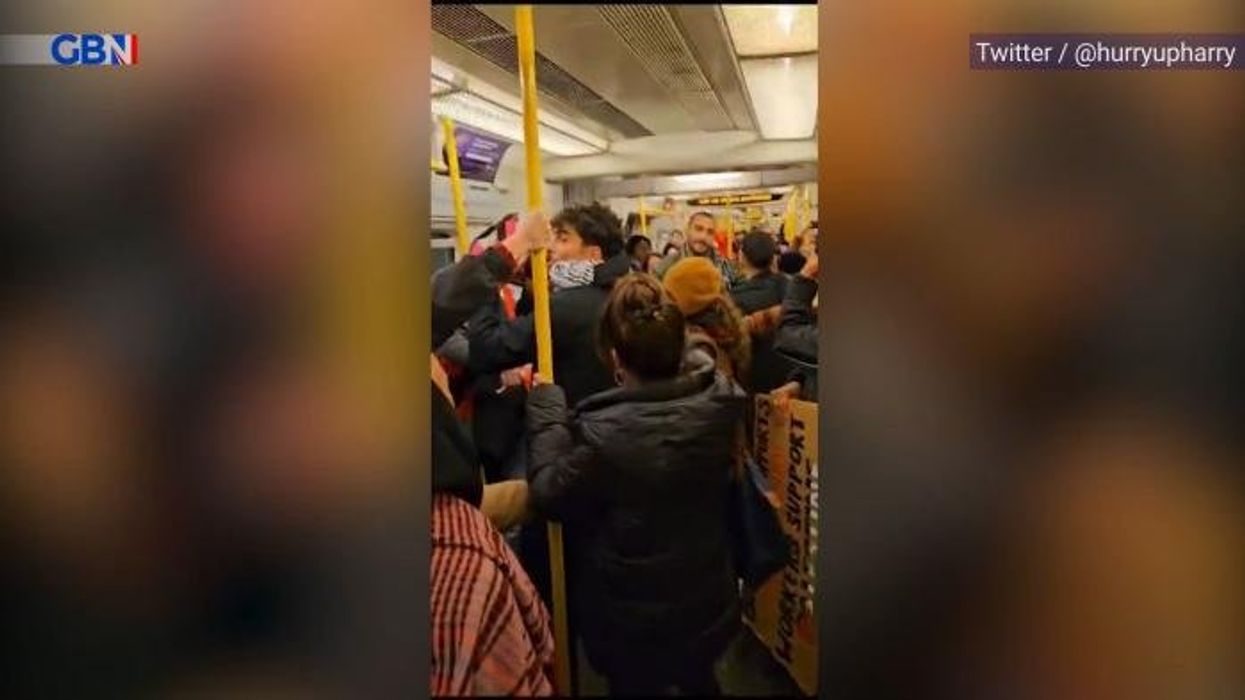
On Tuesday, Met Police and Greater Manchester Police said placards and chants such as "globalise the intifada" would be met with action, including arrest to "deter intimidation".
Translating to "uprising" or "resistance," intifada is an Arabic word in reference to Palestinian protests against Israel.
Both police forces said they would "act decisively" against the term following a terror attack at Bondi Beach on the first day of Hanukkah, where 15 people were killed, including a 10-year-old child.
TRENDING
Stories
Videos
Your Say
Two Jewish worshippers were also killed in a knife attack at a Manchester synagogue in October during the spiritual holiday of Yom Kippur.
Palestinians see the Intifadas as resistance against oppression, while many Israelis associate them with violence, such as acts of terrorism and suicide attacks.
"The words and chants used, especially in protests, matter and have real-world consequences," the police said.
"Violent acts have taken place, the context has changed – words have meaning and consequence. We will act decisively and make arrests."
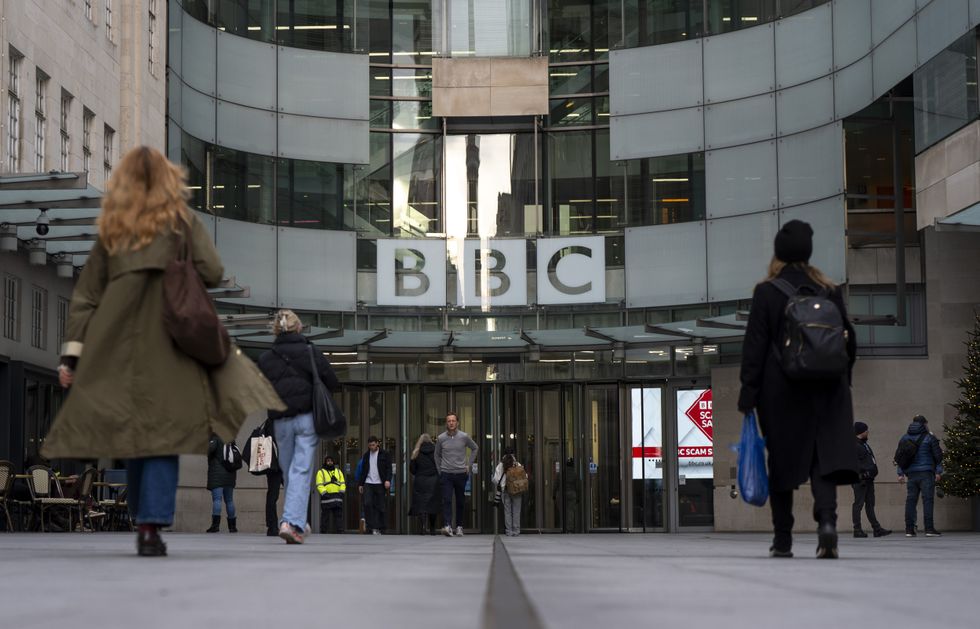
The Campaign against Antisemitism has "set the record straight" with the BBC, after the broadcaster sparked fury with inaccurate claims of the First Intifada
|PA
Reporting on the police statement, the BBC explained the First Intifada, which began in 1987 and the second in 2000, was "a largely unarmed and popular uprising".
However, shortly after the report went live, a tweet from the Campaign Against Antisemitism claims the "unarmed" wording in the BBC report implied "the phrase isn't threatening and really shouldn't bother anyone".
The post went on to "set the record straight".
It detailed how 16 civilians were murdered, while 1,400 were injured. An additional 1,500 soldiers were injured or killed.
"There were more than 3,600 Molotov cocktail attacks, 100 hand grenade attacks and 600 assaults with guns or explosives. Hamas was born during this period," the post read.
LATEST DEVELOPMENTS:
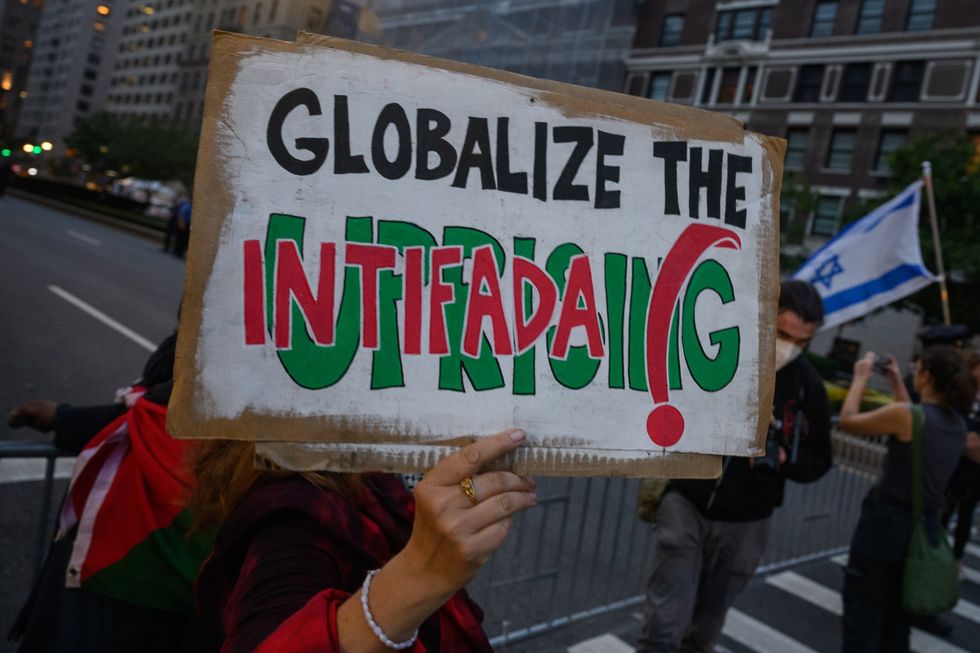
'Globalise the Intifada' chants have been criminalised across the UK in the wake of increased violence against Jewish communities
|GETTY
The group then added that during the Second Intifada, "over 1,000 were murdered with suicide bombings rampant in Israeli cafes and nightclubs and on buses."
"The efforts of our national broadcaster to play down antisemitism and Islamist and far-left threats against Jewish people evidently continue unabated," the post concluded.
Since the post, the BBC have edited their story, redacting any mention of an "unarmed" uprising.
It now reads: "The term intifada came into popular use during the Palestinian uprising against Israeli occupation of the West Bank and Gaza Strip in 1987.
"Some have described the term as a call for violence against Jewish people.
"Others have said it is a call for peaceful resistance to Israel's occupation of the West Bank and actions in Gaza."
A BBC spokesman said: "It’s routine for us to update stories to make them clearer for audiences; in this case we did so with language that more clearly explained the context of the term 'intifada'."
In the amended version, the article explained: "The language used in this brief summary did not give a clear enough or complete picture of the history and so this section has been amended to instead explain the context around the ongoing use of the term."
The BBC have continuously come under fire for accusations of bias.
Their documentary, Gaza: How to Survive a Warzone, committed a "serious breach" of broadcasting code after failing to disclose that the narrator was the son of a Hamas official.
The watchdog found the programme was "materially misleading".
Our Standards: The GB News Editorial Charter
More From GB News