

Alton Towers U-turns on plan to ban people with anxiety from using disability queue-jump pass
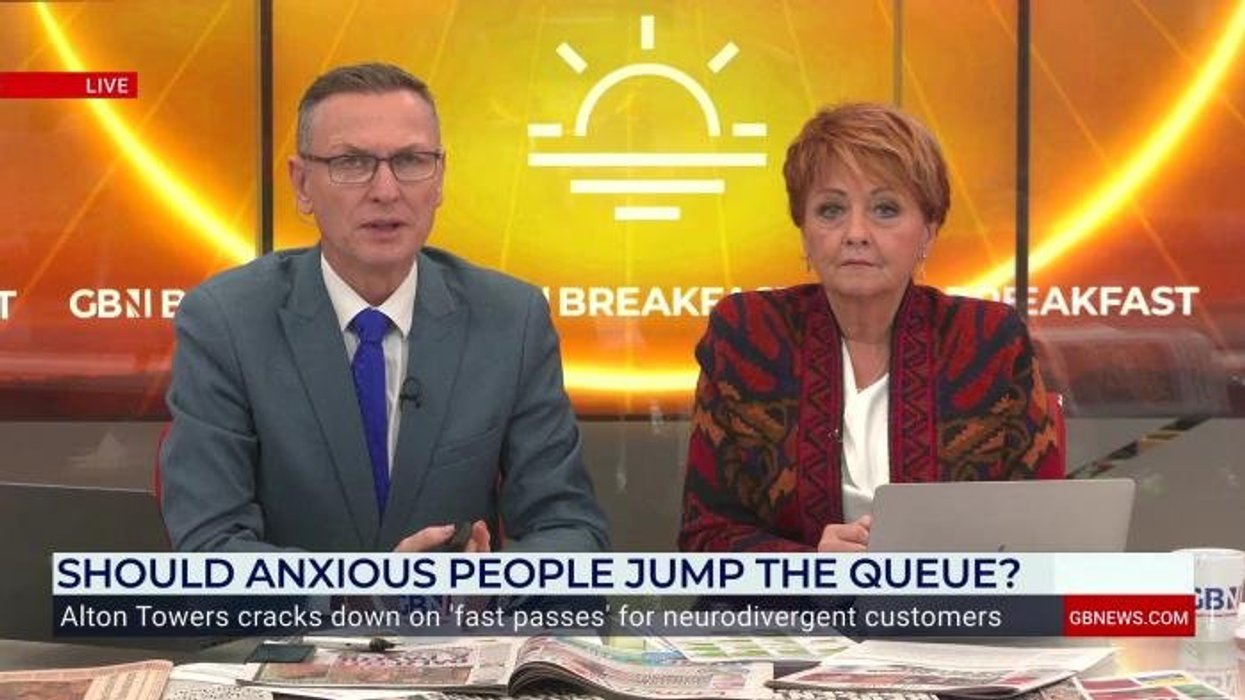
Fury erupts on GB News over Alton Towers' decision to ban people with 'anxiety' from using disability queue-jump pass |



More than 25,000 people signed an online petition to reverse the plan
Don't Miss

Most Read
Trending on GB News
Alton Towers has backtracked on its controversial plan to tighten access to its disability queuing system following strong criticism from people with autism, ADHD and anxiety.
Merlin Entertainments, who oversee the park, had planned to introduce new eligibility rules for its Ride Access Pass, which provides a non-queueing option for people unable to stand in long lines.
Under the scrapped plan, visitors to places like Alton Towers and other parks including Chessington World of Adventures and Legoland Windsor who only had "difficulty with crowds" would no longer have qualified.
The company said it had "listened carefully to the extensive feedback" and decided to "pause the trial while we explore alternative options".
TRENDING
Stories
Videos
Your Say
"We are sorry,” the theme park owner said addressing those people impacted by their previous announcement.
The move sparked widespread upset among adults with autism, ADHD and anxiety and families of neurodivergent children, who said the changes risked shutting many people out of a system they rely on.
More than 25,000 people signed an online petition urging the company to reverse the plan.
Rob Smith, the company's chief operating officer, said the company had heard from many pass users who felt the proposed changes would worsen accessibility, rather than improve it.
"Whenever we make changes to the Ride Access Pass, it's because we genuinely want to improve the experience for guests who rely on it," he said.
"They've told us loud and clear that the current system isn't working."
However, he claimed the need to change the disability queuing system remained, as it was “under huge pressure".
With more people claiming the pass, some disabled visitors were facing longer waits than the main queue, which the company said was "not the experience we want for anyone".
LATEST DEVELOPMENTS
- 'This is still happening!' Dawn Neesom tears into Labour MP over migrant crisis after 'unimaginable horror'
- 'I blame YOU!' Michelle Dewberry turns ire on OWN guests in furious rant after Afghan migrant guilty of raping 12-year-old
- Home Office officials 'fell asleep on job' escorting illegal migrants back to France
Merlin said it will now launch a broader consultation with disabled guests, accessibility specialists and other operators across the attractions industry.
The number of Britons taking medication for attention-deficit hyperactivity disorder (ADHD) has more than doubled since 2015.
The now-aborted plan would have still catered for neurodivergent guests, with access to sensory rooms and quiet spaces.
The disability access card provider Nimbus Disability, which Merlin uses to verify additional needs, claimed the passes were developed in response to frustrations shared by disabled people and venues about “how disability was evidenced”.
The British Association of Leisure Parks, Piers and Attractions (BALPPA) said that pressure on accessibility systems went beyond the parks owned by Merlin.
Paul Kelly, BALPPA chief executive, said: "British attractions have made significant progress with accessibility, but are facing operational challenges with increasing demand from guests.
"We support Nimbus's continued efforts, and their input will be invaluable as we continue to evolve our approach”.
In light of the U-turn, Merlin will continue using its existing pass criteria, including acceptance of the Access Card "crowd" symbol as it currently operates.
A video message from Mr Smith has been issued to visitors explaining the decision, with the influx of guests over the February half-term proving the first opportunity to review the efficiency of the pass.
Our Standards: The GB News Editorial Charter
More From GB News