









There’s no doubt about it, the idea of borrowing up to six times your salary feels like a lifeline for first-time buyers.
With property prices soaring, especially in the South, anything that helps people get a foot on the ladder sounds like progress.
And in many ways, it absolutely is.
But here’s the part that doesn’t always make the headlines: just because a lender will lend you that much, doesn’t mean it’s always a smart idea to take it.
I say this to clients all the time, affordability assessments are a guide, not a target.
TRENDING
Stories
Videos
Your Say
They show the upper limit of what a lender might be comfortable with, not what you should feel comfortable living with month in, month out.
When you stretch your borrowing, you’re not just stretching your mortgage payment. Bigger houses usually come with bigger costs: higher council tax, larger utility bills, more maintenance and upkeep.
These are the things that don’t show up in glossy listings but absolutely show up in your bank account.
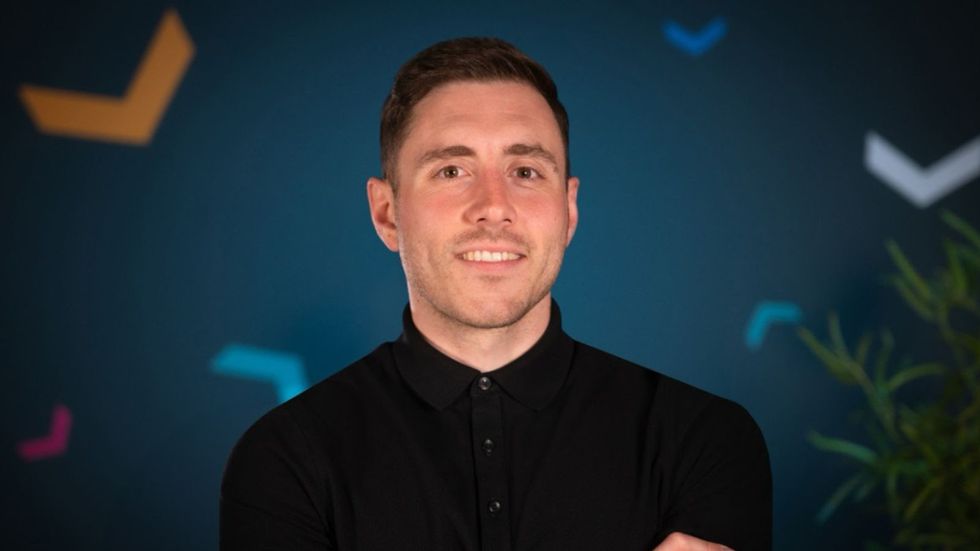 Sam Fox, co-founder of the UK Mortgage Centre | Sam Fox
Then there’s interest rates. We’ve all had a sharp reminder over the last few years that rates don’t stay low forever.
What feels affordable today might not feel anywhere near as comfortable tomorrow. I’ve seen this play out time and again with buyers who purchased under the original Help to Buy scheme when rates were around 1.5 per cent.
It felt manageable at the time, but add another three per cent and suddenly the maths looks very different.
LATEST DEVELOPMENTS

Standard borrowers must now extend their mortgage terms to 50 years simply to reduce monthly payments
| GETTYA mortgage is usually the biggest financial commitment you’ll ever make, and it’s not just about passing a lender’s checks.
It’s about sleeping at night knowing you’ve got breathing room if life throws you a curveball.
Could you still cope if rates rose again? If your income dipped temporarily? If household costs crept up, as they almost always do?
Borrowing less than the maximum isn’t playing it safe for the sake of it. It’s buying yourself flexibility, resilience and long-term security.
And for many people, that’s worth far more than squeezing into the biggest possible property today.
Yes, higher income multiples can help first-time buyers bridge the gap. But the smartest buyers aren’t asking, “What’s the most I can borrow?”

Most lenders start around 4.5 times your income
| GETTYThey’re asking, “What’s the right amount for me?”
BOX-OUT: 7 Tips: How to Decide How Much to Borrow for a Mortgage
- Understand how lenders calculate borrowing limits
Most lenders start around 4.5 times your income. This is only a guide, affordability checks may reduce this. - Work out what you can comfortably afford each month
Focus on a monthly payment that fits your lifestyle, not the biggest loan possible. - Think about future changes
Children, career moves or reduced income can all affect affordability over time. - Consider the impact of your deposit
A larger deposit can mean lower repayments and better interest rates. - Use mortgage and affordability calculators
They help you see how repayments change if rates rise. - Get a mortgage in principle
Useful for house hunting, but treat it as an upper limit, not a goal. - Avoid borrowing the maximum by default
Borrowing less can reduce stress and make future rate rises easier to handle.