










Britain’s traditional working men’s clubs are fighting for their very survival, as they share the devastating impact of Rachel Reeves' tax raids on the hospitality industry.
Emerging in the mid-19th century as an alternative meeting space to pubs, these venues were primarily owned and managed by working-class men, enjoying a heyday in the post-war era.
In the 1970s, around 4,500 UK-wide social hubs were members of the Club and Institute Union (CIU). Today, that figure has fallen to fewer than 1,000.
Once a place to share a pint, have a dance and host celebrations such as birthdays, the overwhelming majority of working men's clubs now lie vacant.
TRENDING
Stories
Videos
Your Say
While much of the decline in membership over the past 15 years can be attributed to a loss of interest from emerging generations, the appetite for booze and bingo remains in communities across Britain.
Instead, many have pointed the finger at Labour and its policies affecting the hospitality industry at large – an irony exhibited from "the party of the working man".
The Chancellor was accused of lynching the sector during her Autumn Budget last November with a raft of changes: a hike in National Insurance (NI) employer contributions, a rise in the mandatory minimum wage, and the end of pandemic-era Value Added Tax (VAT) relief.
Planning and licensing red tape have also served as a sour chaser to the already bitter pill to swallow for many club owners.
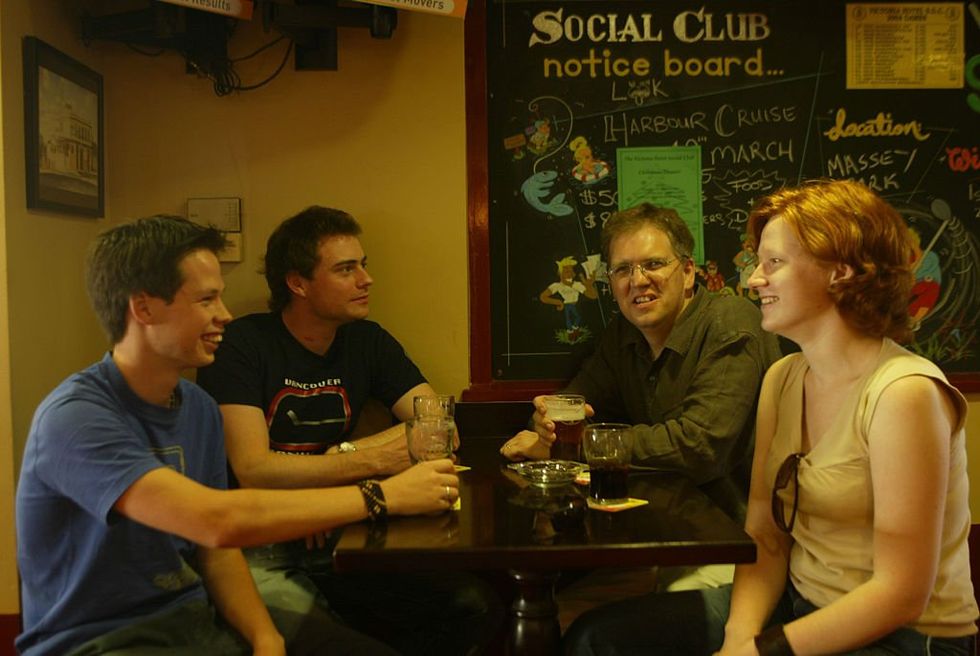
Around 75 per cent of working men's clubs have disappeared entirely
|GETTY
And critics have accused the Government of abandoning working families over soaring energy prices caused by Net Zero grid infrastructure costs, as well as state-dictated pricing and subsidies.
Despite Labour initiating yet another screeching U-turn with a hospitality “rescue package” — which offers the sector's venues a 15 per cent discount on business rates for one year, followed by a two-year freeze on bills — droves of working men's clubs have been forced to close for good.
One venue battling to keep its head above the tsunami is Stansted Mountfitchet Social Club in Essex – a staple of the community since 1888.
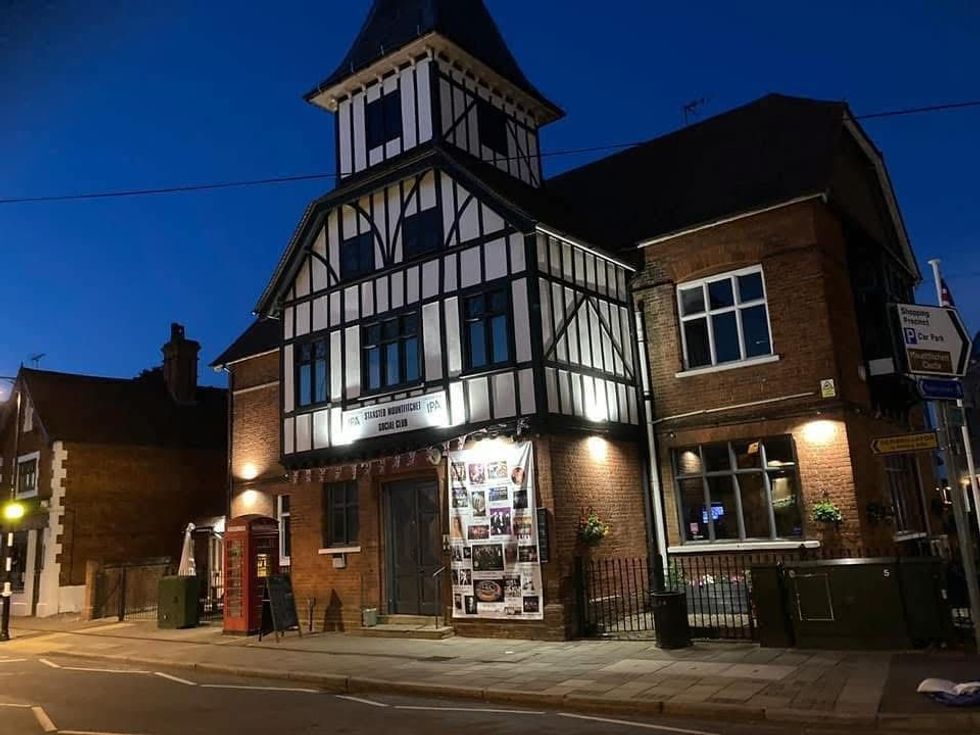
Stansted Mountfitchet Social Club in Essex has been a staple of the community since 1888
|ALAN SNOOK

The Stansted Mountfitchet Social Club boasts a healthy 1,200 members
|ALAN SNOOK
Chairman Alan Snook, 61, has been on the club's committee for more than a decade and told GB News just how hard it has become to stay afloat.
He said: “We’ve been in a very poor financial state for as long as I can remember. It became so bad at one point three trustees had to remortgage their homes to get a loan to pay off the £120,000 debt to pay off the building.
“Business rates are ghastly, the price of alcohol has shot up, and our energy prices have doubled recently just to keep the light on – it's been crippling.
“Rachel Reeves has given the likes of us nightmares – the Labour Government ought to be ashamed."
Despite these concerns, Mr Snook said his club is “tough and we’re still holding our own”.
Nominated as the best social club for entertainment in the UK for four years running and boasting 1,200 members, the Uttlesford club has found a way to persevere.

Chairman Alan Snook with his wife Denise, relishing repeat wins at the club awards
|ALAN SNOOK
He said: “We do an awful lot for our local community, looking after pensioners, hosting dinners for members. When you take care of your people, they help take care of you."
Having managed to dig the club out of the hole it had been swallowed by, Mr Snook took it upon himself to join as the vice-chairman at the neighbouring Bishop’s Stortford Social Club in Hertfordshire.
He said: “By coming together, our committee and theirs combined managed to turn the Bishops Stortford club around and help them to stay afloat."
While some clubs have rallied together to ensure prosperity in troubling times, others have not been so lucky.
Last week, a 106-year-old working men’s club in Droitwich, Worcestershire, closed its doors for the last time, citing rising operating costs, mounting building repairs and debt.
Ms Reeves' first Budget in 2024 raised employers’ NIC and lowered the threshold at which they were paid from £9,100 to £5,000.
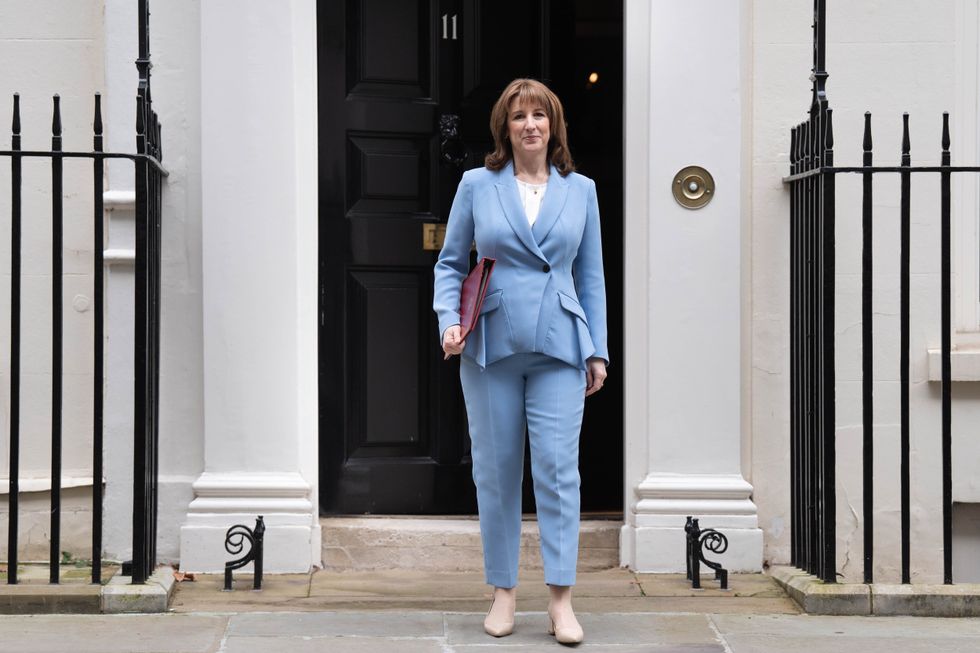
Chancellor Rachel Reeves has blown a hole in the hospitality industry
| PAWorking men's clubs have also paid the full 20 per cent of VAT since 2022, when reduced rates introduced during coronavirus lockdowns ended.
Incremental increases in wages in recent years have also hit venues hard, as many working men's clubs can no longer afford to staff someone behind the bar.
Additionally, the revaluation of business rates will send outgoings for many social clubs soaring this month– a looming horror also affecting the likes of cafes, hotels and restaurants.
Conservative MP for Rayleigh and Wickford, Mark Francois, told the People's Channel: “It’s hugely ironic that many working men’s clubs, that originated in former Labour heartlands, are now having to close because of Labour’s punitive taxation.
“Be it business rates, increased NI and thus staffing costs or just the spiralling cost of energy, thanks to eco-loon Ed Miliband.
“Either way, this is a physical manifestation of Labour destroying its own history – whilst betraying its traditional supporters along the way."

Mark Francois MP said issues facing working men's clubs are 'a physical manifestation of Labour destroying its own history'
| PALATEST DEVELOPMENTS
Dr Ruth Cherrington is the author of Not Just Beer and Bingo! a Social History of Working Men's Clubs, which details the intricacies of these historic venues from the humble beginnings of rented rooms above shops.
The University of Exeter academic highlighted the prowess of working men's clubs in their inception, noting how some small mining villages could have up to six venues.
She wrote: “You would get hundreds of people going to their own club, particularly at weekends and holiday times and Christmas – if you look across the country, that's millions of people."
The majority, of course, were true working men – Labour voters – who feel betrayed by the party’s current political trajectory that has “left the working man behind”.
Conservative MP for Basildon and Billericay, Richard Holden, commented: “Social clubs are not some mysterious Illuminati-like venues; they’re for local people who want a safe place with a cheap pint.
“We have some fantastic clubs in my constituency, from the Constitutional Club in Billericay, which I’ve recently joined, down to the Social Club in Fryerns – but they are facing challenges which have been made ten times worse with higher taxes and associated costs caused by this Government.
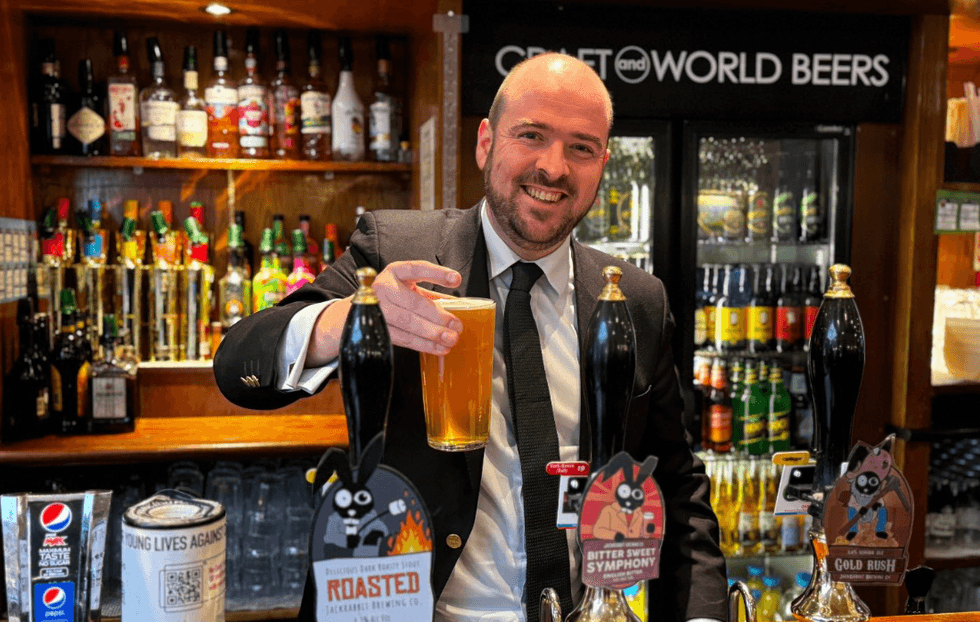
Richard Holden MP urged the Government to U-turn on the damaging policies harming the sector
|“The best support the Government could give them, and other hospitality venues, is to U-turn on all their damaging decisions.
“Listen to the Conservatives and cut the crippling business tax increases and scrap business rates for high streets. And definitely do not encourage them to serve warm pints to save money.
“Instead, bring down energy costs by scrapping unachievable and expensive Net Zero targets and allow new gas and oil licences in the UK”.
Beyond economics, a gradual shift in culture over the past decade has left many clubs on their knees, forcing some to adapt.
One of the oldest working men's clubs in the country has dropped "working men" from its name in an attempt to reinvent itself and attract new members of a younger ilk.
The 150-year-old Louth Social Club in Lincolnshire rebranded in 2024, having not been solely for men "for a long time".

The 150-year-old Louth Social Club in Lincolnshire rebranded in 2024 to adapt to the times
|GOOGLE MAPS
In its glory days, the club had 1,000 members and a long waiting list. However, that figure has dwindled by two-thirds to 300.
Earlier this year, the venue reached a "critical point" and managers did not know if they would be able to pay staff, as the committee watched the nearby Cleethorpes Working Men's Club close due to falling numbers and the Monks Road Working Men's Club in Lincoln disappear suddenly in 2018 after a century.
The CIU has undergone its own rebrand and, like Louth Social, has dropped "working men" from its title.
"People seem to think we are still in the 1930s and 40s," said general secretary Ken Green. "I feel very sad about it."
He added: "I think the future is not as rosy as what we'd like it to be, but the well run, well managed and well supported clubs will still be there long after I've gone”.
Holbeck Working Men’s Club in Leeds, among the UK’s oldest, shines as an example of how working men’s clubs can overcome adversity.
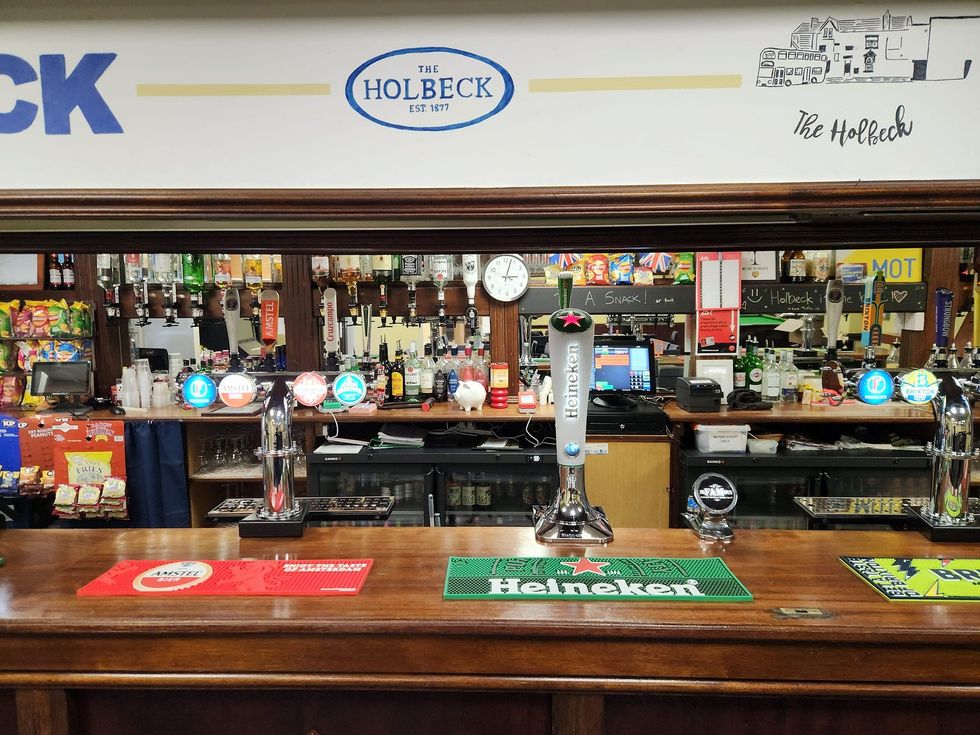
Holbeck Working Men’s Club in Leeds is among the UK’s oldest social club venues
|After facing bailiffs due to debts, the venue is making money for the first time in years.
Rebecca Harris, the Conservative MP for Castle Point, also shared the success story of working men's clubs across Benfleet, Canvey Island and Hadleigh in Essex.
She said: “A big part of their success is they offer good quality, well-maintained facilities that people feel comfortable using.
“Whether it is for social events, entertainment, or simply meeting friends, they provide a reliable and welcoming environment.
“The atmosphere is also key. The clubs have built a reputation for having friendly, approachable staff and committee volunteers, which makes a real difference.
“People want to return to places where they feel welcome, and that sense of community is clearly something our clubs do very well.

Conservative MP Rebecca Harris praised the success of working men's clubs across Essex
|PARLIAMENT/GOOGLE MAPS
“Of course, value matters too, particularly at a time when many are watching their spending, and reasonable prices and the benefits of membership help make it an affordable option for local people."
Research by the Institute for Public Policy Research (IPPR) think--tank has analysed successful venues thriving amongst the chaos and proposed a method for ministers to turn things around for the industry.
Dr Sofia Ropek-Hewson, senior research fellow at IPPR, said: “The decline of social clubs and other shared spaces isn’t just a cultural loss; it’s part of a much wider erosion of the places that hold communities together.
“Across the UK, we’ve seen pubs, youth clubs and social venues disappear at pace. This isn’t just about nostalgia.
“When shared spaces vanish, it can create the conditions for social fragmentation. If the Government is serious about helping these venues thrive again, it needs to back them with real investment.
“That means a long-term funding settlement, such as a new ‘community welfare fund’ financed by a levy on online giants, to rebuild and sustain the social infrastructure that communities rely on".
A government spokesman said: “We have the right economic plan - we're reforming business rates to back hospitality, with a £4.3bn support package to limit bills rises, alongside capping Corporation Tax at 25 per cent, cutting red tape and taking action on the cost of living to boost the sector.
“Increasing the National Minimum Wage boosts pay for over 200,000 young workers, and employer NICs are lower when hiring under‑21s”.
Our Standards: The GB News Editorial Charter