







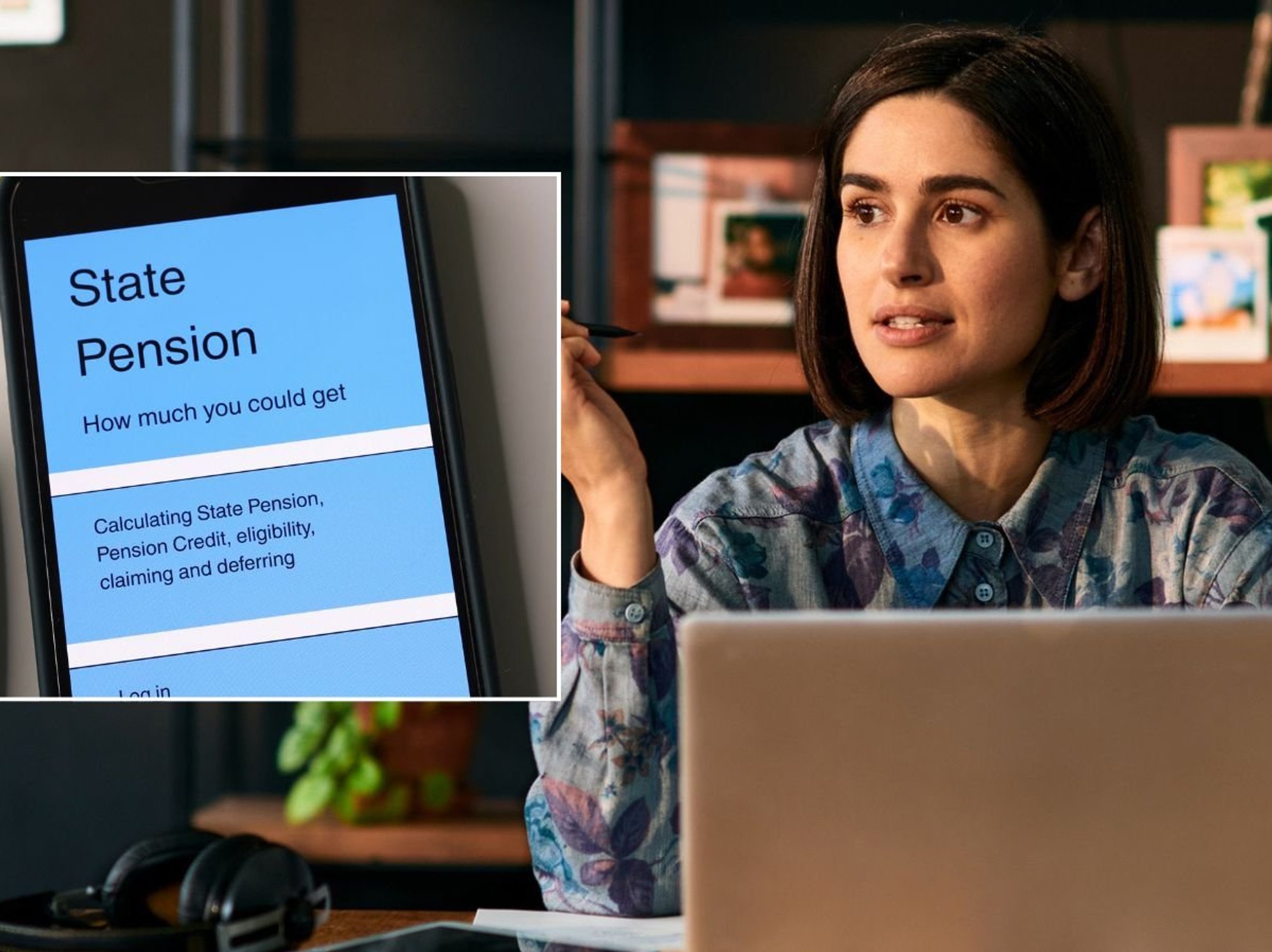
A woman who has spent six years on Universal Credit says returning to work makes no financial sense under the current benefits system.
Erica Crompton, a former radio scriptwriter, receives around £1,027 each month, which includes £381 towards rent on a shared ownership property and £200 for providing more than 35 hours of weekly care to her partner Paul, who uses a wheelchair.
She also receives support linked to a stress-triggered mental illness that doctors say prevents her from maintaining conventional employment.
Ms Crompton said: "I just don't see how working has worked for me in the slightest."
TRENDING
Stories
Videos
Your Say
She told The Telegraph her situation highlighted what she viewed as a flaw in the benefits structure, arguing that the system discourages people from seeking paid employment.
According to the Office for National Statistics (ONS), 8.3 million people were receiving Universal Credit in October 2025 from a working-age population of around 43 million.
Government forecasts show Britain’s total welfare spending is expected to reach £406.2 billion in 2030/31, with more than half of recent Budget tax rises being absorbed by the benefits bill.
Universal Credit payments are not taxed, while frozen income tax thresholds reduce the take-home pay of working households as wages rise.
Ms Crompton described this as creating an incentive structure in which some people find they are financially better off remaining on benefits.

A woman who has relied on Universal Credit for six years says the current benefits system leaves her worse off if she returns to work
|GETTY
Last year, she earned around £10,100 through occasional journalism work and received £12,324 in Universal Credit, giving her a combined annual income of £22,424 that was not subject to taxation.
Her benefits are reduced by 50 pence for every pound she earns above £411 each month, but she pays no income tax because her freelance earnings remain below the threshold.
She said most remote roles open to her offer similar income levels but would be taxed, leaving her worse off than under her current circumstances.
She said: "For a job that pays £26,000 to £30,000 a year, I may as well carry on claiming my benefits which aren't taxed."
She believes she would need two days of home-based work a week paid at £200 a day to move off Universal Credit entirely.
LATEST DEVELOPMENTS

She said that working didn't 'work for her'
|GETTY
ONS figures show unemployment has risen to 4.7 per cent, the highest rate since 2021.
The ratio of jobseekers to vacancies now stands at 2.5 to one compared with 1.7 before the pandemic.
Ms Crompton said she needs remote and part-time work to balance her caring responsibilities for Paul, which limits what she is able to apply for.
Job platform Adzuna lists 3,242 remote part-time roles across the country.
She said: "For every suitable role I see, there are already 100 applicants."
Recruitment has slowed as employers respond to wider economic uncertainty, with vacancies falling across the graduate jobs market.
Ms Crompton said her outlook has been shaped by personal experience.
In 2010, during a period of deteriorating mental health, she attempted to take her own life.
She said the incident changed her priorities and made her focus on wellbeing and time with loved ones over career advancement.
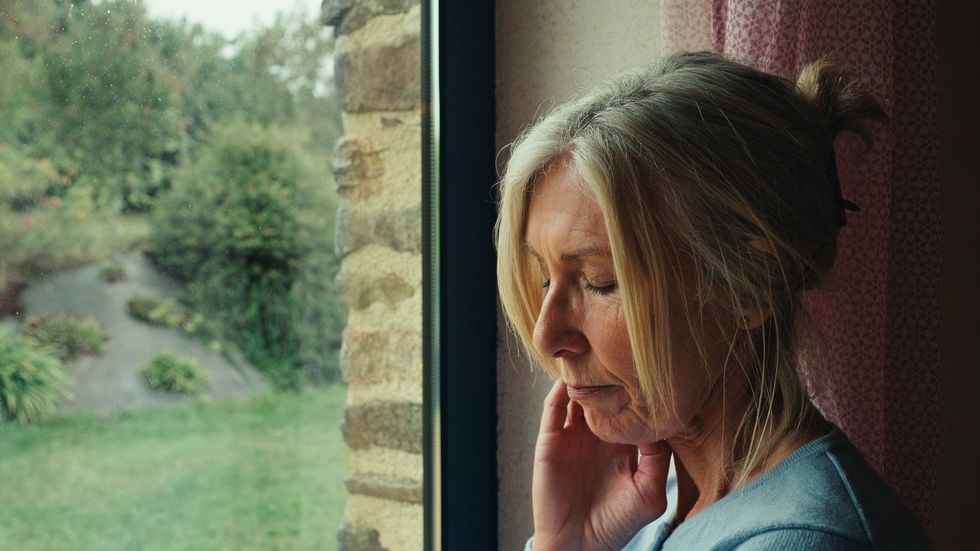
She said she prioritised her mental health
|GETTY
"Being able to take an entire two months off when I'm getting stressed with life is priceless. I put caring for my partner full-time above any pay cheque, anytime."
She said her housing circumstances have also shifted over time.
When she worked full-time in London, she lived in flat-shares and small bedsits.
She now part-owns a Staffordshire bungalow with a garden, which she said costs her around half of what she previously paid for accommodation in the capital.
Our Standards: The GB News Editorial Charter
More From GB News