










Britain’s construction industry is facing mounting financial pressure, with the vast majority of firms either already experiencing or approaching serious financial distress, according to new research from accountancy firm Menzies.
The report, titled Fixing the Foundations, surveyed 250 senior finance leaders across UK construction and property businesses.
Its findings showed that 86 per cent of firms are either already in financial difficulty or expect to face serious distress in the near future.
On average, businesses surveyed said they expect to reach a critical financial position within the next eight months.
Delayed payments continue to place significant pressure on cashflow across the sector.
Construction firms are now waiting an average of 53 days to receive money owed to them, with the industry having recorded some of the highest insolvency levels in the UK for several consecutive years.
Late payments were reported by 93 per cent of businesses surveyed, with companies citing overdue invoices from clients, contractors and supply chain partners.
The average delay extends to almost two months beyond agreed payment terms. The report found that many firms are now relying on their own reserves to continue funding projects while waiting for payments to arrive.
One in five businesses said they are effectively financing clients’ projects using their own working capital due to ongoing payment delays.
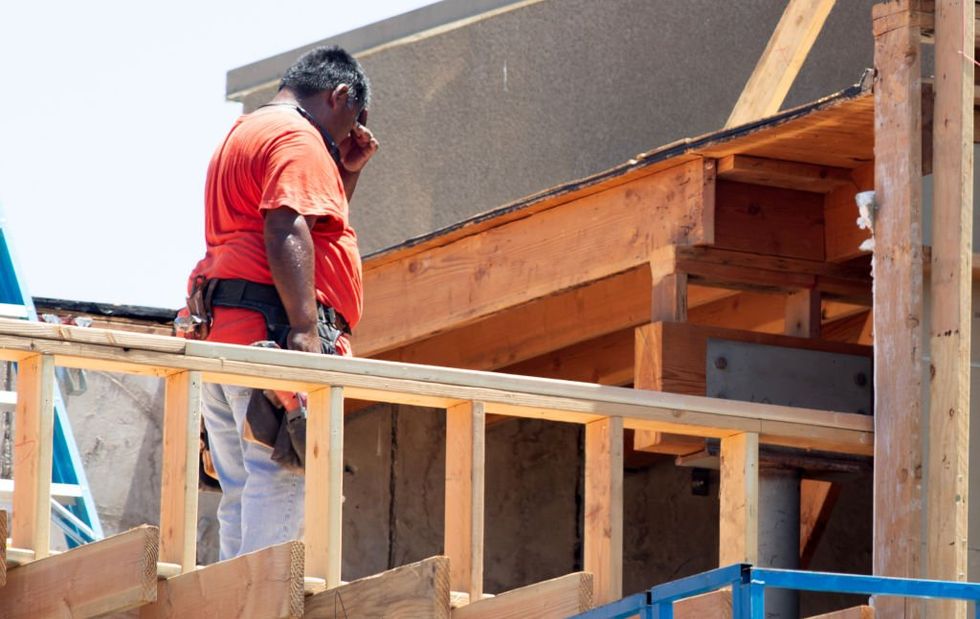
Construction firms face cashflow crisis as 86 per cent warn of financial distress
|GETTY
Nearly a fifth of respondents identified late payments as one of the biggest threats facing the survival of their business.
The financial strain is also spreading throughout the wider supply chain, with delays affecting firms’ ability to pay suppliers and subcontractors on time.
Rising costs across the industry are adding further pressure to already weakened balance sheets.
Fixed-price contracts agreed before the recent inflation surge have proved particularly damaging for many businesses.
LATEST DEVELOPMENTS
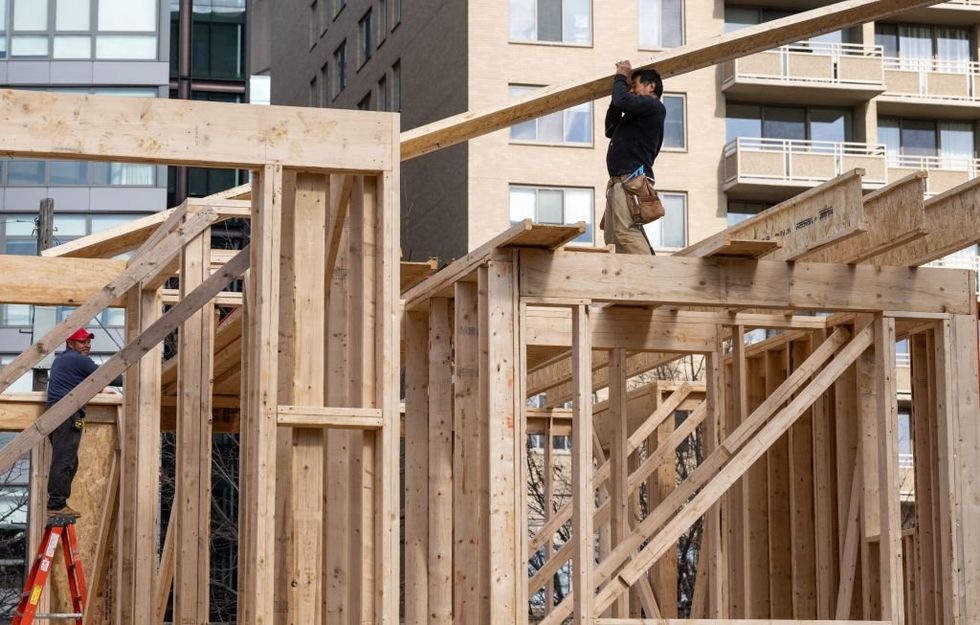
Almost a quarter of firms said increasing material and labour costs were placing severe strain on project profitability.
|GETTY
According to the findings, 98 per cent of firms identified older fixed-price agreements as a major source of financial stress.
One in five companies said contracts agreed before prices rose are now generating significantly lower returns than originally expected. A further 18 per cent said some projects have been delayed for so long they are no longer profitable.
External economic pressures are also creating additional challenges for the sector.
Nineteen per cent of firms said uncertainty surrounding US tariffs had made sourcing labour and materials more difficult and expensive.
A further 17 per cent identified Brexit-related issues as contributing to similar supply chain pressures.
Freddy Khalastchi, partner at Menzies LLP, warned that strong workloads can sometimes disguise underlying financial problems.
He said: "Too many construction businesses are still trading, still winning work, but heading in the wrong direction without realising it."
"A full order book can mask a lot of problems, and in construction the gap between looking busy and being profitable can widen faster than most owners appreciate."
Mr Khalastchi urged businesses to seek professional support as early as possible when signs of financial strain begin to emerge.
The report also found growing support within the industry for Government intervention to address some of the sector’s challenges. A quarter of firms said they wanted measures introduced to help stabilise material and energy costs.
Almost as many respondents backed the creation of a single construction regulator to replace the existing fragmented oversight system.
Mandatory maximum payment terms for contracts were supported by 23 per cent of businesses surveyed.