




TV licence fee dodgers could be targeted in a new clampdown by the BBC and caught if they use iPlayer, a new report suggests.
Nearly 40 million online BBC accounts could be linked to their home addresses for the first time to help hunt households that are accessing the streaming service without a licence.
As it stands, all households need to pay the television licence fee in order to watch, stream, or record live content, with money from the charge going towards funding for the BBC.
Currently, each households only needs one TV licence, which costs £174.50 a year. In recent years, the public broadcaster has sought to crackdown on those evading the levy.
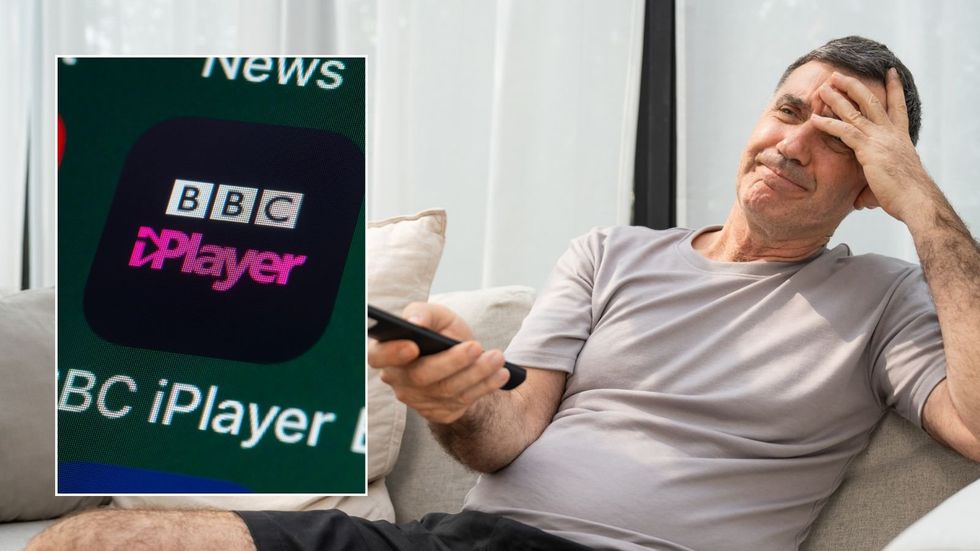
A TV licence fee clampdown will use iPlayer to hunt down dodgers' addresses
|GETTY
According to the BBC's figures, an estimated £3.8billion was raked in from the licence fee in 2024-25, however, up to £550million is believed to have been lost due to evasion.
Last November, MPs on the Public Accounts Committee (PAC) accused the BBC of "not doing enough" to ensure households continue paying the annual licence fee charge.
As it stands, any Briton wanting to access television or radio progammes on BBC iPlayer must share their email address, date of birth and postcode with the broadcaster.
The BBC is believed to be working on how to use this data to discover where TV licences have not been purchased across the country, The Telegraph reports.
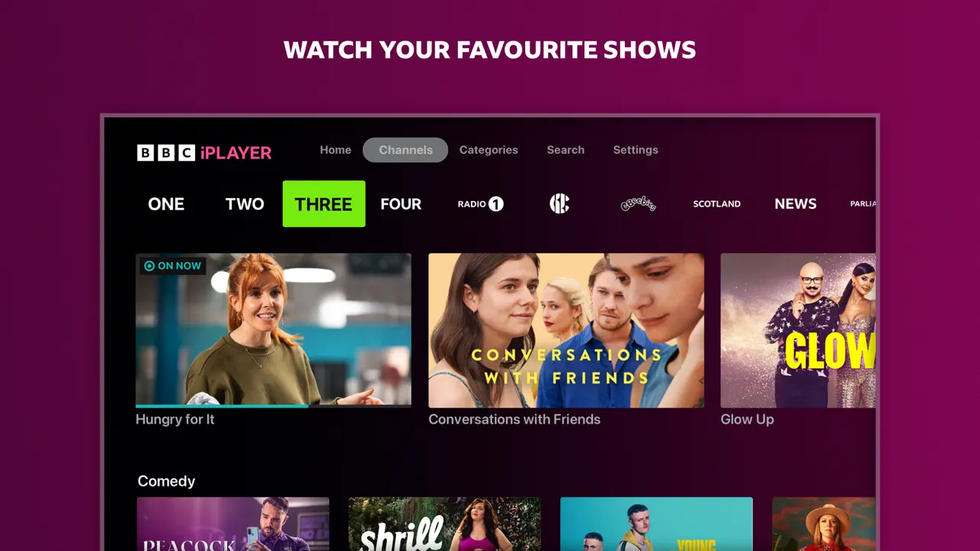 BBC iPlayer is available on a slew of devices, from smartphones to TVs, with access to live free-to-air channels, on-demand boxsets and movies, as well as live fixtures from BBC Sport | BBC PRESS OFFICE
 Anyone wishing to access BBC television and radio programmes on iPlayer must provide an email address, date of birth and postcode. It is understood the BBC is now working on ways to harness that data to identify where TV licences have not been purchased.
It is understood this will be carried out by linking iPlayer accounts to a database that tracks whether a household is registered for a television licence.
Earlier this month, Labour Culture Secretary Lisa Nandy pledged to not raise funding for the BBC through general taxation amid growing uncertainty over the broadcaster's funding future.
Critics have argued the BBC should consider a subscription service model for parts of its conent
LATEST DEVELOPMENTS
Sir Jacob Rees-Mogg, former Conservative Party Business Secretary, has previously suggested the public broadcaster should paywall iPlayer and axe the liceence fee.
Danny Cohen, the former director of BBC Television, has support a more "data-driven" strategy to ensure who need to pay the levy do so.
However, Mr Cohen noted that the broadcaster still has to agree on a plan to make sure long-term funding for the BBC remains in place.
He explained: "It makes a lot of sense to use digital data to track who is using the BBC and who should be paying the licence fee.
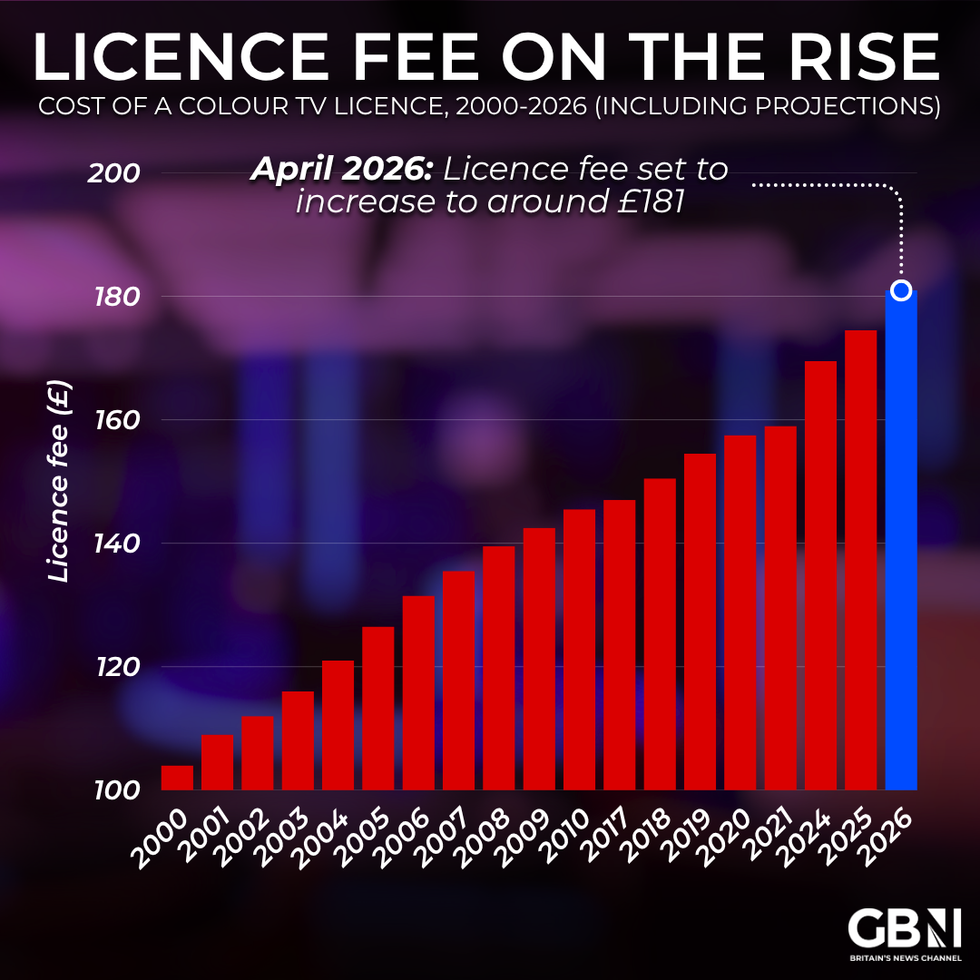 Licence fee on the rise: How much does the TV licence cost? | GB NEWS
"This is valuable but it’s a drop in the ocean compared with bigger questions about how the BBC funds itself in the future and survives amid global competition."
Figures suggest the number of British households believed to dodging the licence fee jumped from 12.04 per cent in 2023-24 to 12.5 per cent between 2024-25.
Some 3.6 million households had declared they did not need a licence.This was in spite of TV Licensing making almost two million visits to unlicensed households during this time, 50pc more than in 2023-24.
The PAC's report stated: "This increase did not lead to a proportional rise in households interviewed under caution or purchasing a licence.
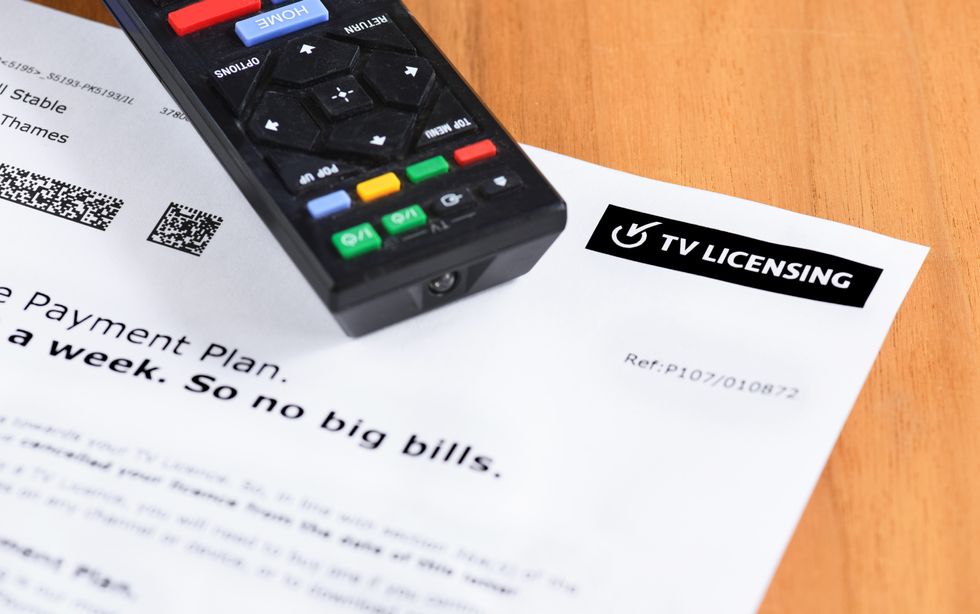 The standard UK TV Licence fee is £174.50 per year | GETTY
"While enforcement has traditionally relied on household visits, this approach is becoming less effective.
"The BBC noted that it has become harder to get people to answer their doors compared to five years ago, which limits the enforcement effectiveness."
A TV Licensing spokesman said: "We always look at ways to improve how we collect the licence fee.
"This includes using the data available to us to get a better understanding of viewing habits and use of BBC services.”
More From GB News