








British taxpayers face a quintet of tax increases set to take effect throughout 2026, spanning everything from wages and investments to property and everyday purchases, but what will you have to pay?
Sarah Coles, head of personal finance at Hargreaves Lansdown, said: "Finally, the cacophony of conversations about tax have died away for a while. We've had months of Budget speculation, followed by the reality of tax hikes, and then a horribly stressful period as people worked out what it meant for them."
Here is a full list of the tax hikes Britons are at risk of being hammered with in the New Year:
- Frozen tax and National Insurance thresholds
- Higher dividend taxes
- Inheritance tax (IHT) reform to farm and business assets
- Council tax raid
- Sin taxes on fuel, vaping products and tobacco.
Ms Coles noted that acting early offers the best opportunity to mitigate some of the coming tax burden. The freeze on income tax and National Insurance thresholds will remain in place until 2031 following Chancellor Rachel Reeves's Budget, meaning any salary increase will drag workers closer to crossing into higher tax brackets.
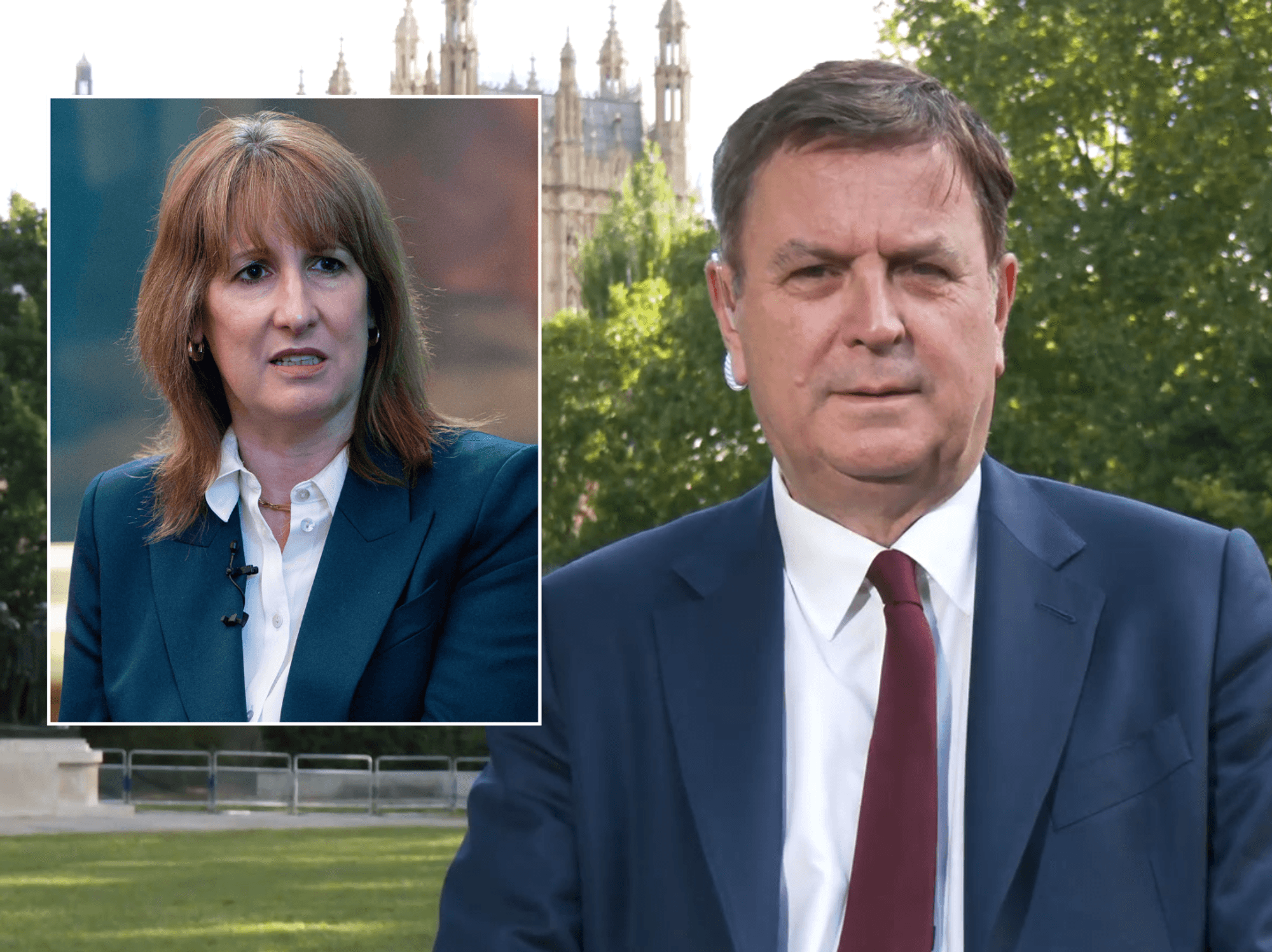
 Rachel Reeves is preparing to raise taxes - what will you have to pay? | GETTY / PA
 Some individuals will find themselves paying income tax and National Insurance for the first time as their earnings exceed the personal allowance. Others will be pushed into higher or additional rate bands.
The consequences extend beyond basic income tax. Those moving into elevated brackets face steeper rates on dividends and capital gains, while their personal savings allowance shrinks.
Analysts from Hargreaves Lansdown warn pay rises between now and 2031 effectively translates into a larger tax bill, with workers gradually losing more of their earnings to the Treasury despite no official rate increases being announced.
Dividend tax rates will climb in April, with basic rate taxpayers seeing their rate jump from 8.75 per cent to 10.75 per cent, while those on higher rates face an increase from 33.75 per cent to 35.75 per cent.
This marks the first of three planned tax rises on non-earnings income, with further increases on savings and property income scheduled for 2027. Income investors have already endured successive reductions to the annual dividend allowance alongside a rate rise in 2022.
Those holding income-generating UK stocks outside an ISA or SIPP will bear the brunt of this latest change. Venture capital trusts face their own blow, with tax relief dropping from 30 per cent to 20 per cent in April.
Investors wishing to secure the higher relief rate must act before the new tax year begins. The IHT nil rate band stays fixed at £325,000, with the residence nil rate band locked at £175,000. Both thresholds will remain unchanged until 2031 following this year's Budget announcement.
The annual gift allowance for inheritance tax purposes has been stuck at £3,000 for four decades. Rising property values combined with static thresholds mean inheritance tax, once considered a levy on the wealthy, now captures an expanding number of estates.
Farmers have responded dramatically to cuts in inheritance tax relief on agricultural land. Changes to business asset relief have drawn less attention but Britons are being reminded they could still be affected by those passing on companies or holding qualifying AIM shares.
Currently, AIM investments held for two years or more fall outside estates for inheritance tax purposes. From April 2026, relief on these shares drops from 40 per cent to 20 per cent.
Council tax bills will climb again in April, with Office for Budget Responsibility (OBR) calculations suggesting local authorities can impose rises of up to 5% without triggering a referendum.
Many cash-strapped councils are expected to opt for the maximum permitted increase, while those in the most precarious financial positions may need to go further still. Alcohol duty rises by RPI inflation across all categories from February 1.
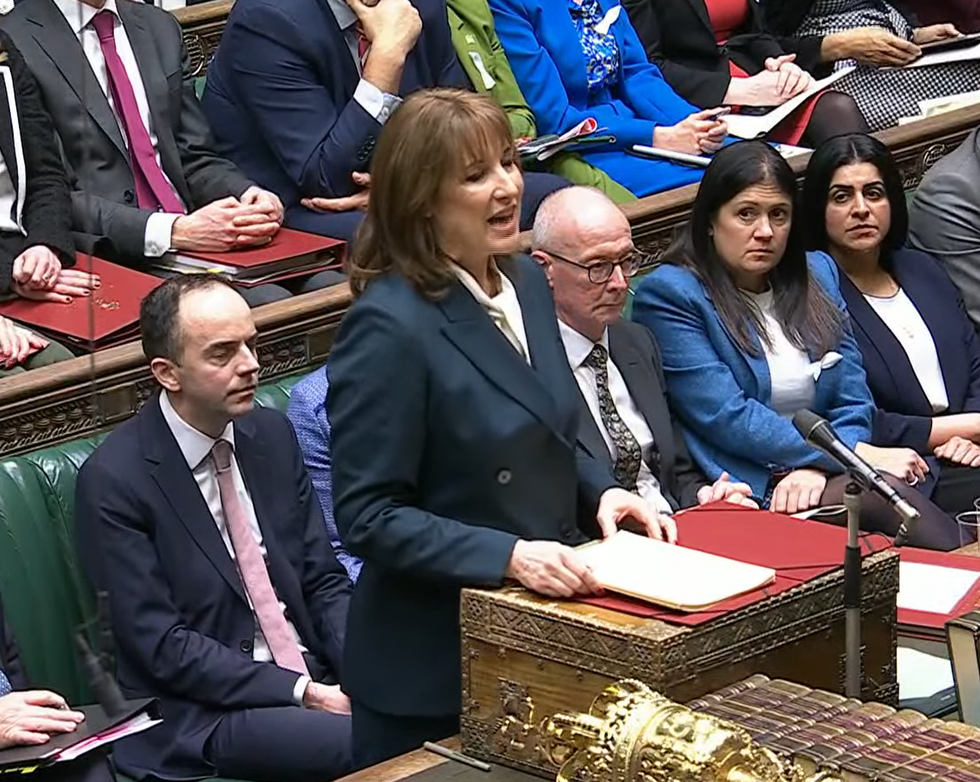 Rachel Reeves delivering the Budget | PARLIAMENT
The temporary 5p fuel duty cut introduced in 2022 will be withdrawn from the end of August, with the relief phased out entirely by March 2027. A new levy on vaping products takes effect on October 1, charging £2.20 per 10ml of liquid. Tobacco duty receives a one-off increase at the same time, followed by the standard November rise of RPI plus two percentage points.
For those looking to avoid these levies, Ms Coles recommends taking advantage of tax-saving vehicles, such as ISAs, pension pots and workplace salary sacrifice schemes.
She explained: "The Government offers the chance to squirrel away £20,000 in this tax year – completely free of tax. A stocks and shares ISA will protect you from higher capital gains tax, while a cash ISA will protect you from income tax. The allowance on the cash ISA is £20,000 until April 2027.
"You can pay up to £60,000 into a pension in the current tax year. Contributions to pensions attract tax relief at your highest marginal rate, and the first 25 per cnt taken from the pension is usually tax-free. If you can afford to put more money away for the long term, it’s a great way to cut your tax bill – as well as securing the income you need in retirement."
More From GB News