








The state pension triple lock could face major reform as concerns grow over its long-term cost.
Pressure is mounting as calls mount for a shift to a simpler double lock arrangement.
The state pension triple lock "cannot exist forever" and must eventually be replaced, according to new analysis that reveals deep divisions over the policy's future.
Nearly four in ten Britons (38 per cent) believe the triple lock guarantee should become a permanent fixture of the pension system, according to fresh research from investment platform AJ Bell.
By contrast, just six per cent of those surveyed want the policy abolished entirely.
Politicians across the political spectrum remain firmly committed to the triple lock despite mounting criticism over its expense and concerns about fairness between generations.
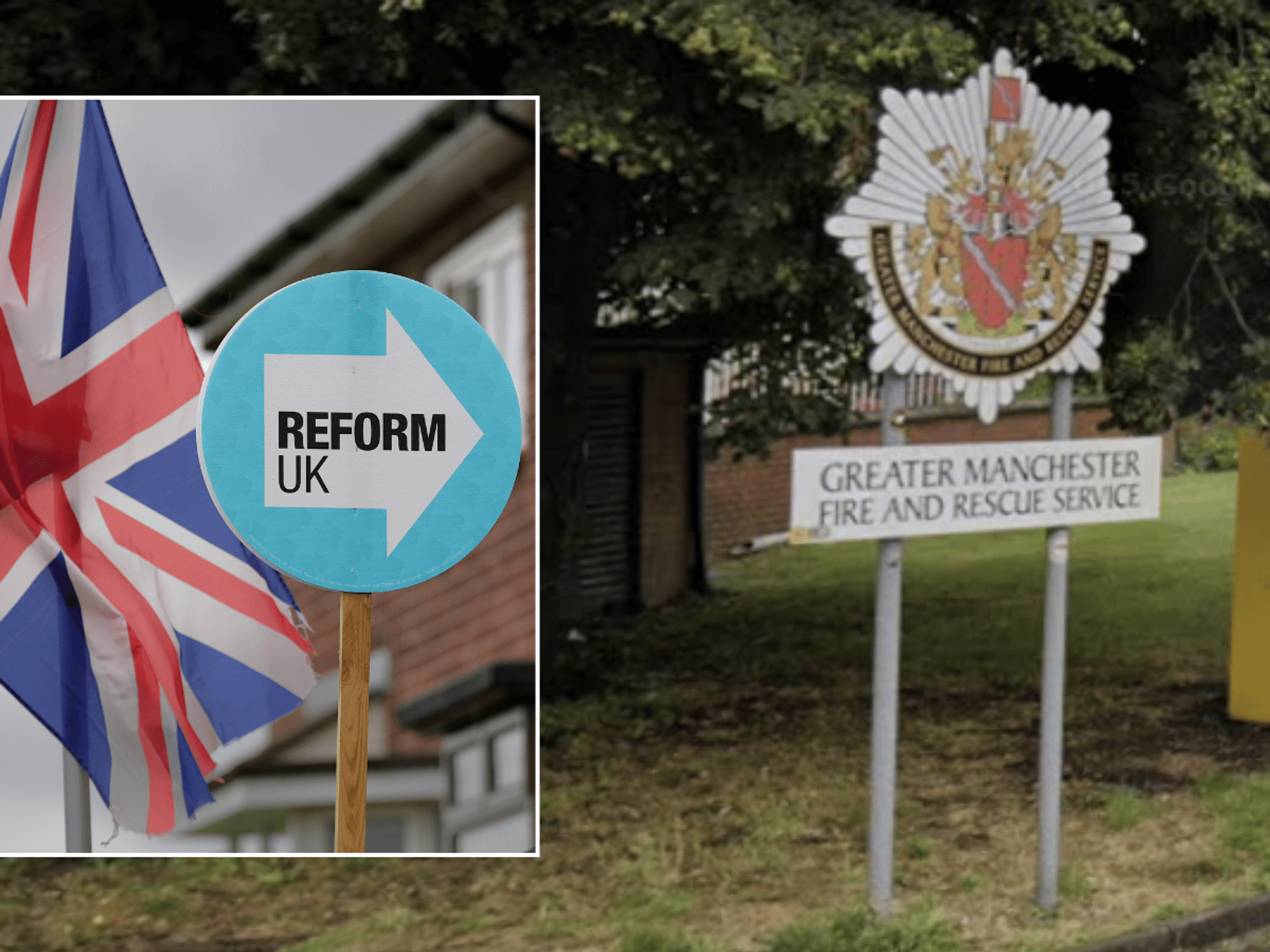
Reform UK has recently joined other parties in pledging to maintain the policy should it win power, while the current government has confirmed the triple lock will stay in place for the remainder of this Parliament.
The reluctance to abandon the pledge stems from straightforward electoral arithmetic.
Older voters form a substantial and reliable voting bloc, and any party signalling it might weaken the triple lock risks severe punishment at the ballot box.
The financial burden of the triple lock has been substantial since its introduction in 2011. According to the Institute for Fiscal Studies, the policy has added approximately £12billion annually to state pension expenditure.
Total yearly spending on state pensions has now reached around £150billion.
 A state pension age increase from 67 to 68 has been scheduled for implementation between 2044 and 2046 | GETTY
Any comparable policy that generated such significant costs while creating considerable uncertainty about future spending would face intense scrutiny, given the pressures on public finances.
However, with inflation remaining elevated, there is no certainty that removing the 2.5 per cent minimum guarantee in favour of a double lock would deliver immediate savings.
Tom Selby, director of public policy at AJ Bell, said: "The starting point needs to be setting out what the triple-lock is aiming to achieve and establishing a path to reach that goal. At that point, the promise can be shifted to either a single or double-lock to earnings and/or inflation."
He warned that making the triple lock permanent would eventually push the state pension above average UK earnings, an outcome no government could afford.
 UK pensioners return to work as inflation cuts retirement income | GETTY
Mr Selby explained that the Treasury has only two options for controlling pension costs: adjusting payment amounts or changing the age at which people qualify.
If the amount cannot be reduced, raising the retirement age becomes the sole alternative, a change that would disproportionately affect younger workers.
The generational divide in attitudes towards the triple lock is stark.
More than two-thirds of Baby Boomers (68 per cent) want the guarantee made permanent, compared with just 14 per cent of Generation Z adults aged 18 to 29 and 22 per cent of Millennials aged 30 to 45.
 The full new state pension will increase to £241.30 per week | GETTY
Mr Selby suggested this gap may reflect younger people's understanding that prolonging the triple lock increases the likelihood of further rises to the state pension age beyond current plans.
"In order to set a path for the triple-lock to eventually be retired, this trade-off needs to be clearly explained to the electorate," he said.
Since the triple lock was introduced in 2011, the state pension has risen by approximately 89 per cent, significantly outstripping both cumulative inflation at 60 per cent and average wage growth at 66 per cent.
Recent years have seen particularly sharp increases, with pensions jumping by 10.1 per cent in April 2023 during the inflation surge, followed by an 8.5 per cent rise in April 2024 driven by earnings growth.
This April brought a 4.8 per cent increase linked to wages, while last year's rise stood at 4.1 per cent.
Mr Selby added: "But that first step of acknowledging the triple-lock simply cannot exist forever may be the hardest."